

Comparison of Positive Pressure and Negative Pressure Conveying for Calcined Sand: A Comparative Ana
When it comes to transporting calcined sand, industrial facilities often face the challenge of selecting the most efficient and reliable pneumatic conveying system. Two primary methods dominate the industry: positive pressure conveying and negative pressure conveying. Each approach has distinct characteristics, advantages, and applications that make them suitable for different operational scenarios. This analysis aims to provide a comprehensive comparison of these two methods, focusing on their operational principles, performance metrics, and practical considerations.
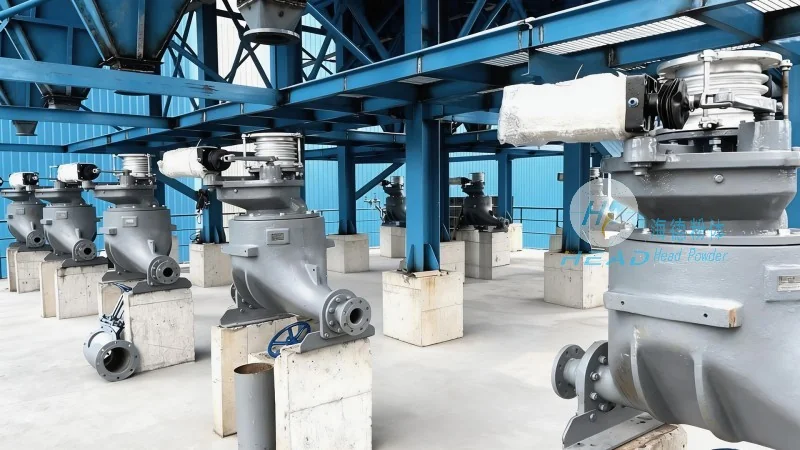
Understanding Positive Pressure Conveying
Positive pressure conveying, also known as pressure pneumatic conveying, operates by blowing air or a carrier gas into the conveying line at a pressure higher than the ambient air pressure. The system typically consists of a blower or compressor that generates the necessary pressure to move the material through the pipeline. In this method, the material is drawn into the conveying line as the high-pressure air pushes it forward. The equipment used in positive pressure systems includes a hopper, feeder, conveying line, and a receiver or discharge point. The pressure differential ensures that the material is continuously transported without the need for additional vacuum assistance.
Key advantages of positive pressure conveying include its ability to handle long distances and high material loads efficiently. The system can maintain consistent flow rates and is less susceptible to blockages compared to negative pressure systems. Additionally, positive pressure conveying is often more suitable for abrasive materials like calcined sand, as the high-pressure air helps to break up any agglomerates and maintain a smooth flow. However, it requires robust equipment capable of withstanding higher pressures, which can increase initial capital costs.
Understanding Negative Pressure Conveying
Negative pressure conveying, or vacuum pneumatic conveying, works by creating a vacuum in the conveying line, pulling the material from the source into the system. A vacuum pump or fan is used to reduce the pressure inside the pipeline, causing the material to be drawn in by the pressure difference. The system typically includes a hopper, feeder, vacuum receiver, and a discharge point where the material is released under ambient pressure. Unlike positive pressure systems, negative pressure conveying does not require high-pressure equipment, making it more cost-effective for shorter distances and lower material loads.
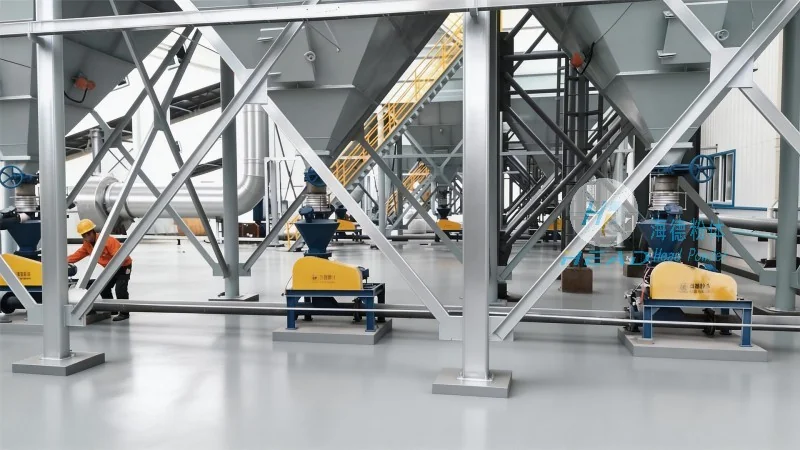
Advantages of negative pressure conveying include lower initial investment and simpler system design. It is particularly effective for applications where the material needs to be transported from a central location to multiple points or where the source is at a higher elevation than the destination. However, negative pressure systems are more prone to blockages and can experience reduced efficiency over longer distances. The vacuum also means that the system is more susceptible to leaks, which can affect the overall performance and require more maintenance.
Performance Comparison: Positive vs. Negative Pressure Conveying
When comparing the two methods, several performance metrics come into play. Distance is a critical factor; positive pressure systems are generally better suited for longer conveying distances, often up to several kilometers, while negative pressure systems are limited to shorter distances, typically under a few hundred meters. Material flow rate is another key consideration. Positive pressure systems can handle higher flow rates due to the higher pressure, making them ideal for high-volume calcined sand transport. In contrast, negative pressure systems are more suitable for lower flow rates and may require multiple lines or stages for larger volumes.
Pressure requirements and equipment durability also differ significantly. Positive pressure systems demand high-pressure blowers or compressors, which are more expensive and require more maintenance. The equipment must be designed to withstand the internal pressure, often with thicker walls and robust seals. Negative pressure systems use vacuum pumps, which are generally less expensive and easier to maintain, but the vacuum lines are more susceptible to leaks and blockages. The choice between the two often depends on the specific operational needs, including the distance, material volume, and available budget.
Application Considerations for Calcined Sand
For calcined sand applications, the choice between positive and negative pressure conveying depends on several factors. If the facility requires transporting calcined sand over long distances or in large quantities, positive pressure conveying is likely the better option due to its higher efficiency and capacity. For example, in a cement plant where calcined sand is used as a raw material, a positive pressure system can efficiently move the material from storage silos to the production line over several kilometers. Conversely, if the calcined sand needs to be transported from a central storage area to multiple processing units within a shorter distance, a negative pressure system may be more appropriate. This is common in smaller industrial settings where the material volume is lower and the distances are limited.
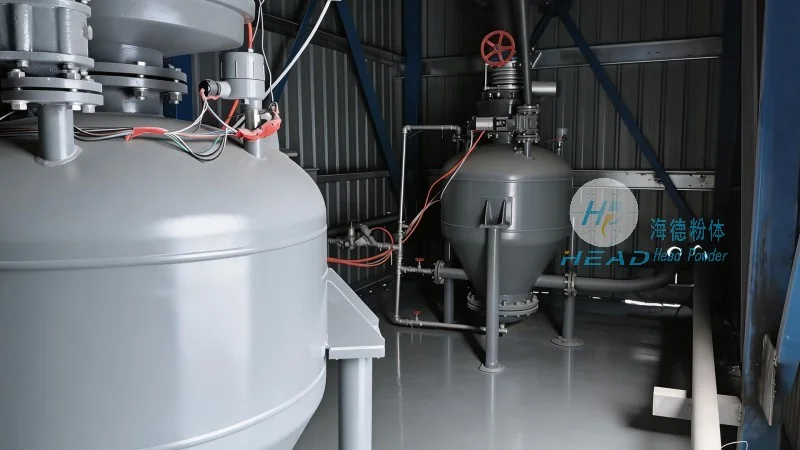
Another important consideration is the material characteristics. Calcined sand is often abrasive and can cause wear on the conveying equipment. Positive pressure systems, with their high-pressure air, can help mitigate this by breaking up the material and maintaining a consistent flow, reducing the risk of blockages and equipment damage. Negative pressure systems, while less expensive, may require more frequent maintenance due to the higher likelihood of blockages and wear from abrasive particles.
Conclusion and Recommendations
Both positive pressure and negative pressure conveying methods have their place in the transportation of calcined sand, and the choice between them should be based on a thorough evaluation of operational requirements, distance, material volume, and budget constraints. Positive pressure conveying offers higher efficiency, capacity, and suitability for long distances and abrasive materials, making it ideal for large-scale industrial applications. Negative pressure conveying, on the other hand, provides a more cost-effective solution for shorter distances and lower material loads, with simpler system design and lower initial costs.
For facilities considering pneumatic conveying for calcined sand, it is recommended to conduct a detailed analysis of their specific needs. Consulting with experts from companies like Shandong HeadPowder Engineering Co., Ltd., a leading provider in the field, can help determine the most suitable system. By understanding the operational advantages and limitations of each method, industrial facilities can make informed decisions that optimize their material handling processes and improve overall efficiency.