

Catalyst Positive Pressure Conveying vs. Negative Pressure Conveying: A Comparative Analysis of Two
The transportation of catalysts is a critical process in various industrial applications, such as chemical manufacturing, petrochemical processing, and pharmaceutical production. Pneumatic conveying systems have become a preferred method for handling these materials due to their efficiency, flexibility, and ability to minimize contamination. Among the various pneumatic conveying techniques, positive pressure and negative pressure systems are two of the most widely used approaches. This article provides a detailed comparison of these two methods, focusing on their principles, characteristics, and practical applications, with a focus on the expertise of Shandong HeadPowder Engineering Co., Ltd. (headpowder), a leading provider of industrial conveying solutions.
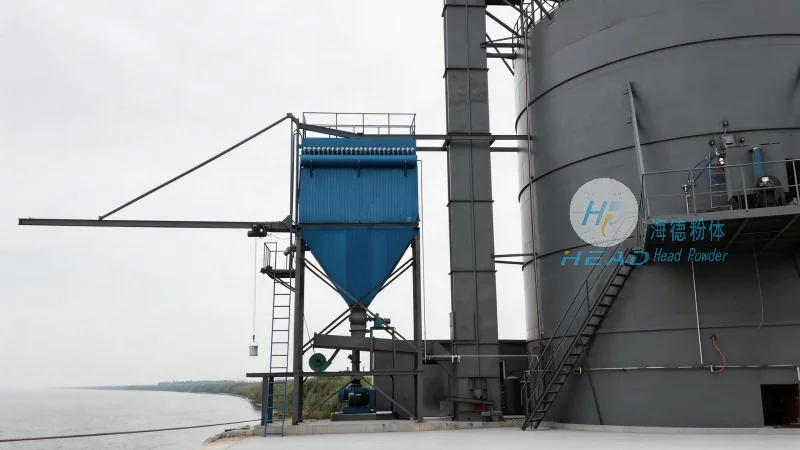
Positive Pressure Conveying of Catalysts - Principles and Characteristics
Positive pressure conveying, also known as pressure pneumatic conveying, operates by blowing air or other gas under pressure into a conveying line to transport solid materials. In this system, the air is introduced at the inlet of the pipeline, creating a high-pressure environment that pushes the catalyst particles forward. The key components of a positive pressure system typically include a blower, a hopper for material storage, a feeder, and the conveying pipeline. The pressure in the system is maintained above atmospheric pressure, which allows for the continuous and reliable transport of catalysts over long distances. This method is particularly effective for handling abrasive or high-density materials, as the high pressure helps to maintain the flow rate and prevent blockages. However, positive pressure systems require robust equipment to withstand the high pressures and may involve higher energy consumption compared to other methods. The design of the system must also consider factors such as the material's flowability, the required conveying distance, and the need for dust control measures.
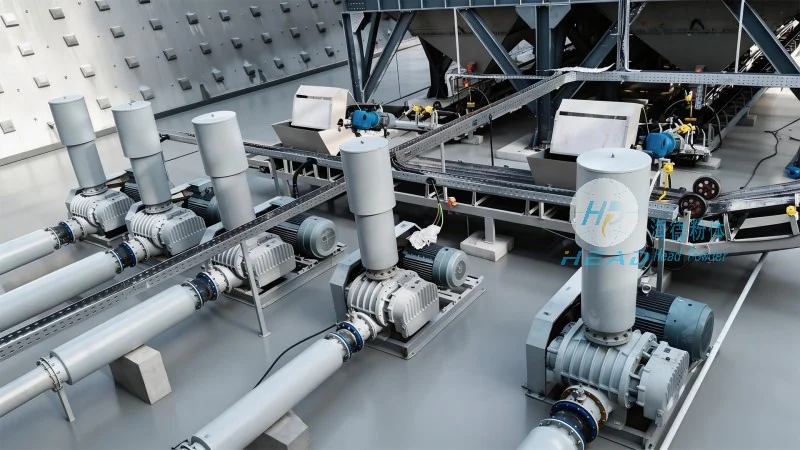
Negative Pressure Conveying of Catalysts - Principles and Characteristics
Negative pressure conveying, or vacuum pneumatic conveying, works by creating a vacuum in the conveying line to draw material from a source into the system. The vacuum is generated by a vacuum pump, and the material is then transported through the pipeline by the pressure difference between the source and the receiver. Unlike positive pressure systems, negative pressure systems do not use high-pressure air to push the material; instead, they rely on the suction effect to move the particles. This approach is often preferred for applications where the material is sensitive to high pressure or where the conveying distance is relatively short. The components of a negative pressure system typically include a vacuum pump, a hopper, a feeder, and a filter to capture any airborne particles. The system is generally less complex and requires less maintenance compared to positive pressure systems, as it operates at lower pressures. However, negative pressure conveying has limitations in terms of maximum conveying distance and the ability to handle high-volume or abrasive materials efficiently. The choice of vacuum pump and the design of the suction line are critical to ensure effective and consistent material transport.
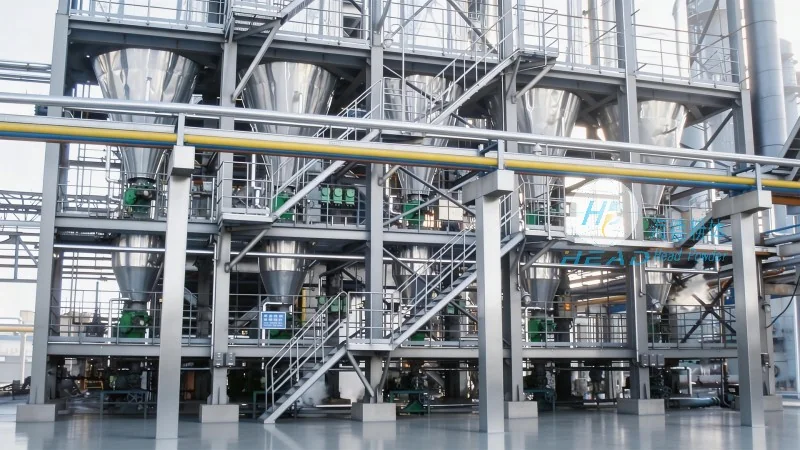
Comparative Analysis of Positive vs. Negative Pressure Conveying
When comparing positive and negative pressure conveying for catalyst transport, several factors come into play. Efficiency and throughput are key considerations. Positive pressure systems generally offer higher throughput and can handle longer distances, making them suitable for large-scale industrial operations. Negative pressure systems, while more energy-efficient for short distances, may struggle with high-volume or abrasive materials. Cost is another important aspect. Positive pressure systems often require more expensive equipment, such as high-capacity blowers, and may incur higher operational costs due to energy consumption. Negative pressure systems, on the other hand, have lower initial and operational costs but may have limitations in terms of material handling capabilities. Maintenance and reliability also differ between the two methods. Positive pressure systems may require more frequent maintenance due to the higher stress on components, while negative pressure systems are generally more straightforward and less prone to breakdowns. The choice between the two depends on the specific requirements of the application, including the type of catalyst, the distance to be covered, and the budget constraints.
Application Scenarios and Practical Considerations
In practice, the selection of a pneumatic conveying system for catalysts depends on a variety of factors. For example, in large-scale chemical plants where catalysts need to be transported over several kilometers, a positive pressure system is often the preferred choice due to its ability to maintain consistent flow rates and handle high volumes. Conversely, in smaller-scale or laboratory settings where the conveying distance is short and the material is sensitive to pressure, a negative pressure system may be more appropriate. The material properties of the catalyst, such as its particle size, density, and abrasiveness, also influence the choice. Abrasive materials may benefit from the higher pressure and robust design of positive pressure systems, while delicate or fine powders might be better suited to the gentler suction of negative pressure systems. Additionally, environmental considerations, such as the need to minimize dust emissions, can impact the system design. Both positive and negative pressure systems can incorporate dust collection and filtration systems, but the design of these components may differ based on the system type. Shandong HeadPowder Engineering Co., Ltd. (headpowder) specializes in customizing pneumatic conveying solutions to meet the specific needs of clients, ensuring that the chosen system optimizes performance, efficiency, and cost-effectiveness.
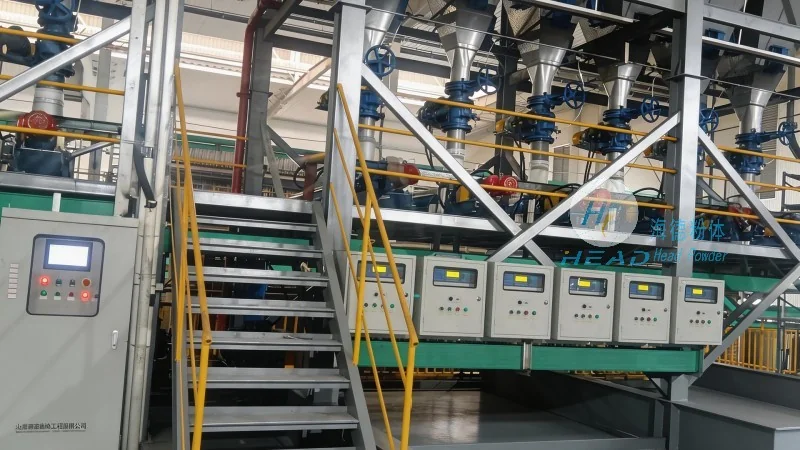
The comparison between positive and negative pressure conveying of catalysts highlights the importance of selecting the right pneumatic system based on the specific requirements of the application. Positive pressure systems offer advantages in terms of efficiency and long-distance transport, while negative pressure systems provide benefits in terms of lower cost and gentler handling. By understanding the principles and characteristics of each method, industrial operators can make informed decisions to enhance their catalyst handling processes. Shandong HeadPowder Engineering Co., Ltd. (headpowder), with its expertise in industrial conveying technologies, continues to provide tailored solutions that address the unique challenges of catalyst transportation, ensuring reliable and efficient material handling in various industrial settings.