

Positive Pressure Conveying vs. Negative Pressure Conveying for Chloroprene Rubber: A Comparative An
Chloroprene rubber, commonly known as neoprene, is a synthetic polymer widely used in industrial applications due to its excellent resistance to oil, chemicals, and weathering. When handling this material, the choice of conveying method is critical to ensure efficiency, safety, and product integrity. Two primary pneumatic conveying techniques are widely adopted: positive pressure conveying and negative pressure conveying. This article provides a detailed comparison of these two methods, focusing on their applications, advantages, disadvantages, and suitability for chloroprene rubber handling, with insights from Shandong HeadPowder Engineering Co., Ltd., a leading provider of material handling solutions based in China.
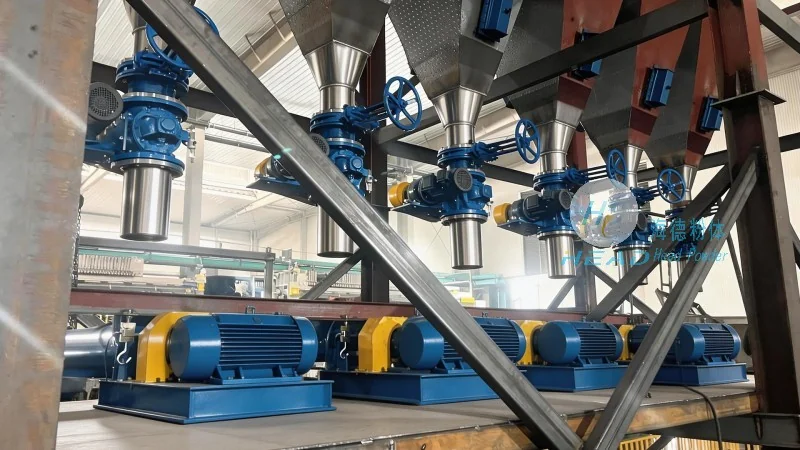
Understanding Pneumatic Conveying Systems
Pneumatic conveying systems transport bulk materials through a pipeline using air or gas as the conveying medium. The two main categories are positive pressure and negative pressure systems, each operating on distinct principles. Positive pressure systems force air and material through the pipeline using a positive pressure blower or compressor. This method is particularly effective for handling chloroprene rubber because it can manage high material loads and maintain consistent flow rates. The system operates by creating a pressure differential, where the conveying air is introduced at the inlet and moves the material along the pipeline. A key advantage of positive pressure systems is their ability to handle abrasive or sticky materials like chloroprene rubber without excessive wear on the equipment. Additionally, positive pressure conveying can be used over longer distances and with more complex pipeline configurations, making it suitable for large-scale industrial operations.
However, positive pressure systems have some drawbacks. The high pressure can lead to increased energy consumption, and the risk of dust explosions is higher compared to negative pressure systems. Proper explosion-proof measures are essential when using positive pressure conveying for flammable materials like chloroprene rubber. Furthermore, the system may require more maintenance due to the higher stress on components such as the blower and pipeline.
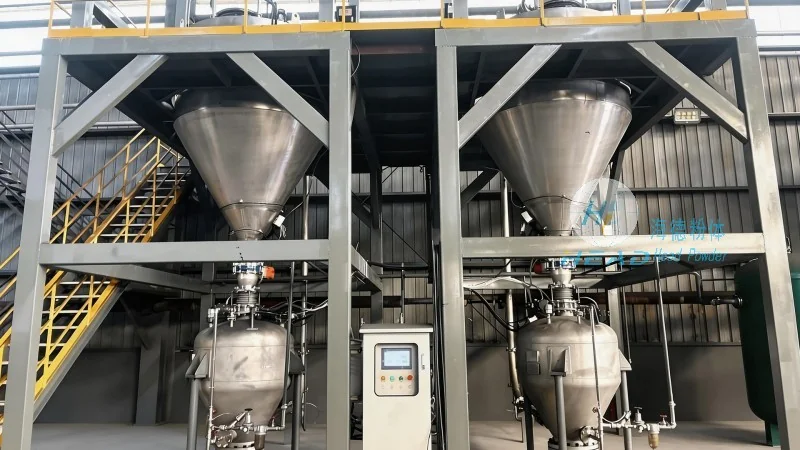
Positive Pressure Conveying for Chloroprene Rubber
Positive pressure conveying involves blowing air and material through the pipeline using a positive pressure blower or compressor. This method is particularly effective for handling chloroprene rubber because it can manage high material loads and maintain consistent flow rates. The system operates by creating a pressure differential, where the conveying air is introduced at the inlet and moves the material along the pipeline. A key advantage of positive pressure systems is their ability to handle abrasive or sticky materials like chloroprene rubber without excessive wear on the equipment. Additionally, positive pressure conveying can be used over longer distances and with more complex pipeline configurations, making it suitable for large-scale industrial operations.
However, positive pressure systems have some drawbacks. The high pressure can lead to increased energy consumption, and the risk of dust explosions is higher compared to negative pressure systems. Proper explosion-proof measures are essential when using positive pressure conveying for flammable materials like chloroprene rubber. Furthermore, the system may require more maintenance due to the higher stress on components such as the blower and pipeline.
Negative Pressure Conveying for Chloroprene Rubber
Negative pressure conveying, also known as vacuum conveying, operates by creating a vacuum at the inlet to draw material into the system. The material is then transported through the pipeline by the suction of the vacuum pump. This method is often preferred for handling lighter or more delicate materials, as the lower air velocity reduces the risk of material degradation or breakage. For chloroprene rubber, negative pressure conveying is advantageous when dealing with fine powders or granules that are prone to caking or agglomeration. The gentle handling minimizes the risk of particle damage, which is crucial for maintaining the material's quality and performance.
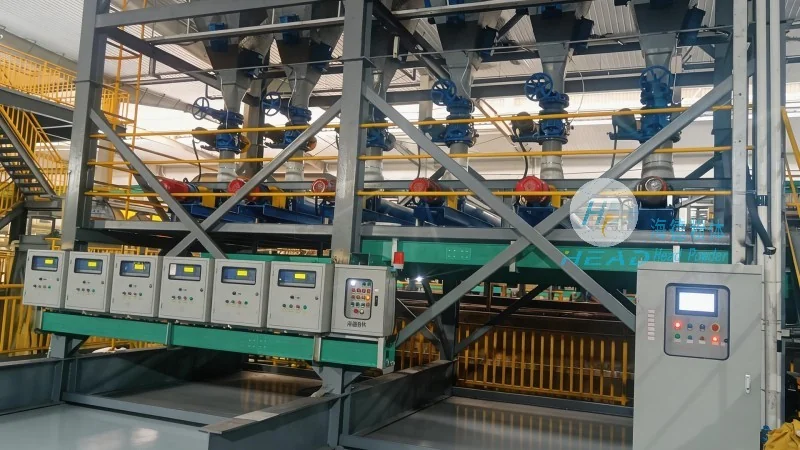
Despite its benefits, negative pressure conveying has limitations. The system is generally less efficient for high-volume or long-distance transport, as the vacuum pump may not be able to maintain sufficient suction over extended pipelines. Additionally, the risk of dust inhalation is higher in negative pressure systems, requiring proper filtration and ventilation to ensure operator safety. The equipment may also be more complex to install and maintain, as the vacuum pump and associated components need regular checks to prevent leaks or performance issues.
Comparative Analysis: Positive vs. Negative Pressure Conveying
When comparing positive and negative pressure conveying for chloroprene rubber, several factors must be considered, including material properties, system efficiency, and operational requirements. Positive pressure conveying excels in handling high material loads and complex pipeline setups, making it ideal for large-scale industrial applications. It offers better control over flow rates and can transport materials over longer distances with less degradation. However, the higher energy consumption and safety risks associated with high pressure make it less suitable for environments where dust explosion hazards are a concern.
On the other hand, negative pressure conveying provides a gentler handling method, reducing the risk of material damage and caking. It is particularly effective for fine powders and granules, where maintaining particle integrity is critical. The lower air velocity also reduces energy consumption compared to positive pressure systems. Nevertheless, the limitations in long-distance transport and the higher risk of dust inhalation are significant drawbacks. The choice between the two methods often depends on the specific application, material characteristics, and safety regulations in place.
Application Examples and Practical Considerations
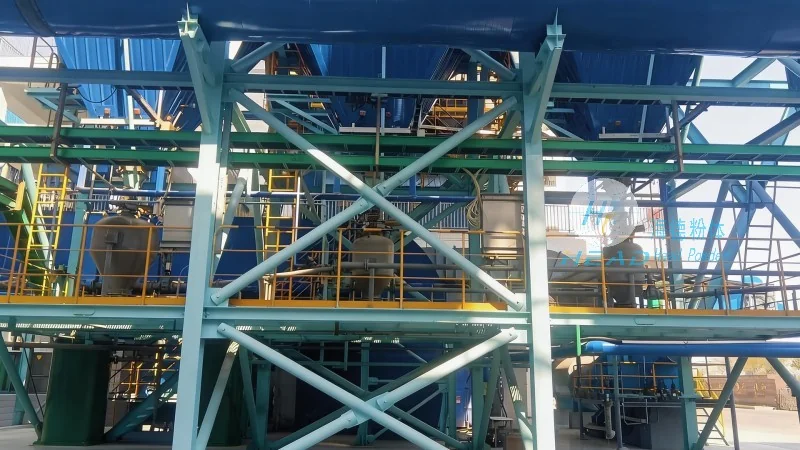
Shandong HeadPowder Engineering Co., Ltd. has extensive experience in designing and implementing pneumatic conveying systems for chloroprene rubber. For instance, in a large tire manufacturing plant, positive pressure conveying was chosen to transport bulk chloroprene rubber from storage silos to processing lines, as it could handle the high volume and complex pipeline network efficiently. Conversely, in a small-scale rubber compounding facility, negative pressure conveying was preferred to transport fine chloroprene rubber powders, as the gentle handling minimized particle breakage and caking.
When selecting a conveying system, several practical considerations must be addressed. The material's moisture content and particle size distribution are critical factors, as they affect the system's efficiency and equipment wear. The distance between the material source and processing point also influences the choice, with positive pressure systems being more suitable for longer distances. Safety is another key consideration, as both systems require proper explosion-proof measures and dust control to comply with industrial regulations. Regular maintenance and monitoring of system performance are essential to ensure optimal operation and extend the equipment's lifespan.