

Positive Pressure and Negative Pressure Conveying for Dry Coffee: A Comparative Analysis of Two Pneu
When it comes to transporting dry coffee beans or ground coffee, selecting the right pneumatic conveying system is crucial for maintaining product quality and operational efficiency. Two primary methods dominate the industry: positive pressure conveying and negative pressure conveying. Each approach has distinct characteristics, advantages, and applications that make it suitable for different production scenarios. This analysis, provided by Shandong HeadPowder Engineering Co., Ltd., a leading manufacturer based in Shandong, China, will delve into the technical aspects, operational considerations, and practical implications of both systems, providing a comprehensive comparison for industry professionals.
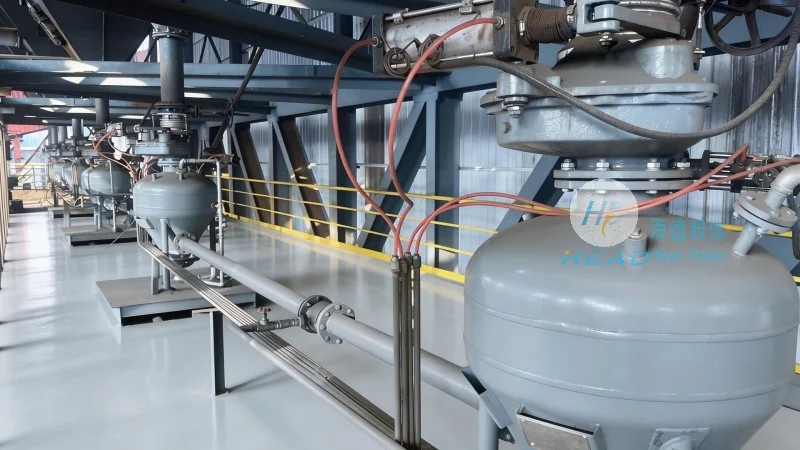
Understanding Positive Pressure Conveying
Positive pressure conveying, also known as pressure pneumatic conveying, operates by blowing air or a carrier gas into the conveying line under pressure. The system generates a positive pressure within the pipeline, which forces the material to move from the source to the destination. This method is widely used in the coffee industry due to its ability to handle a wide range of materials, including fine powders and granules. The high-pressure air creates a consistent flow, ensuring that the coffee beans are transported without segregation or degradation. A key advantage of positive pressure systems is their ability to handle long distances and multiple transfers, making them ideal for large-scale coffee processing facilities. The equipment typically includes a blower, a hopper, and a discharge valve, all designed to maintain the pressure within the system. The pressure can be adjusted to suit the specific characteristics of the coffee, such as moisture content and particle size. For instance, in the case of Shandong HeadPowder Engineering Co., Ltd., their positive pressure conveying systems are engineered to handle various coffee products, ensuring efficient and reliable transport from raw beans to finished products.
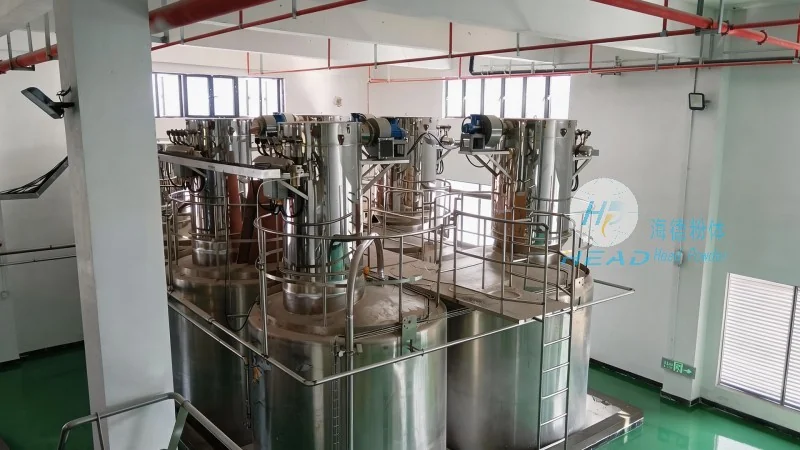
Advantages and Limitations of Positive Pressure Conveying
Positive pressure conveying offers several benefits that make it a preferred choice for many coffee producers. One of the main advantages is its ability to handle abrasive materials without causing excessive wear on the equipment. The high pressure also helps to prevent blockages, as the air flow maintains a consistent velocity throughout the pipeline. Additionally, the system can be easily integrated with other processing equipment, such as roasters and grinders, creating a seamless production line. However, there are some limitations to consider. The high pressure required can lead to increased energy consumption, which may impact operational costs. Furthermore, the system may not be suitable for very fine powders, as the pressure can cause the material to become airborne and potentially cause dust explosions. Another consideration is the need for proper maintenance, as the high-pressure components require regular inspection to prevent leaks or failures. Overall, positive pressure conveying is a robust and reliable method, particularly for large-scale operations where efficiency and durability are paramount.
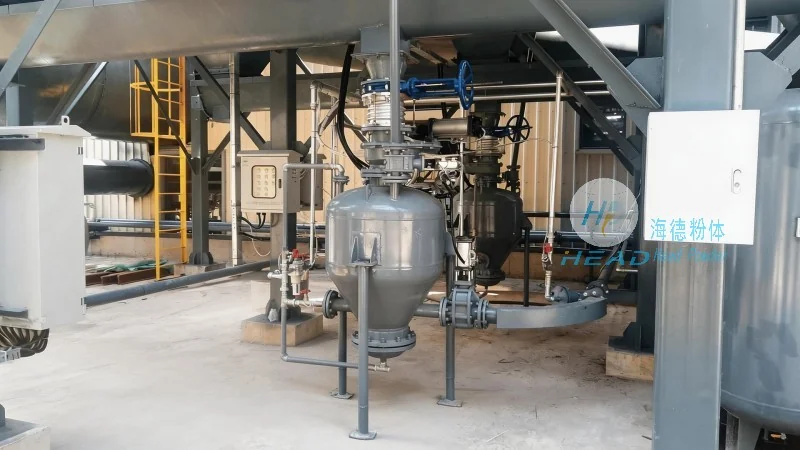
Exploring Negative Pressure Conveying
Negative pressure conveying, or vacuum pneumatic conveying, operates by creating a vacuum in the conveying line, which draws the material from the source to the destination. The system uses a vacuum pump to remove air from the pipeline, creating a pressure differential that pulls the coffee material along. This method is often used for shorter distances and for materials that are less abrasive or more sensitive to pressure. The vacuum system is typically more compact and less expensive than its positive pressure counterpart, making it a cost-effective solution for smaller coffee processing facilities. The equipment includes a vacuum pump, a hopper, and a discharge valve, all designed to maintain the vacuum within the system. The vacuum level can be adjusted to suit the specific characteristics of the coffee, such as particle size and moisture content. For example, Shandong HeadPowder Engineering Co., Ltd. also offers negative pressure conveying systems that are tailored to the needs of smaller coffee producers, providing an efficient and economical way to transport coffee products.