

Positive Pressure and Negative Pressure Conveying of Limestone Powder: A Comparative Analysis of Two
HeadPowder, a leading provider of bulk material handling solutions, specializes in advanced pneumatic conveying systems tailored for limestone powder applications. This article provides a detailed comparison between positive pressure and negative pressure conveying methods, offering insights into their operational principles, advantages, and practical considerations for industrial use.
Introduction to Pneumatic Conveying Systems
Pneumatic conveying is a critical technology in bulk material handling, enabling the efficient transport of powders and granules over varying distances. For limestone powder, which is widely used in industries such as cement, construction, and chemical manufacturing, selecting the appropriate conveying method is essential for optimizing process efficiency, minimizing downtime, and ensuring product quality. Two primary approaches dominate the market: positive pressure conveying and negative pressure conveying. Each method offers distinct characteristics that may align with specific operational requirements and site conditions.
Positive Pressure Conveying: Working Principle and Key Features
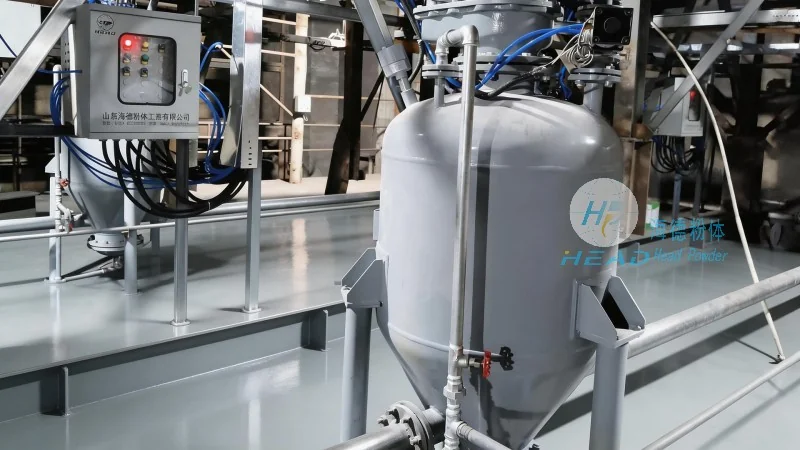
Positive pressure conveying, also known as pressure pneumatic conveying, operates by generating a higher pressure in the conveying line than the ambient air pressure. The system typically consists of a positive displacement blower or a rotary lobe pump that forces air (or a carrier gas) through the pipeline, carrying the limestone powder from the source to the destination. This method is particularly effective for conveying materials over long distances or through complex piping networks, as the pressurized air maintains consistent flow and prevents material settling or blockages.
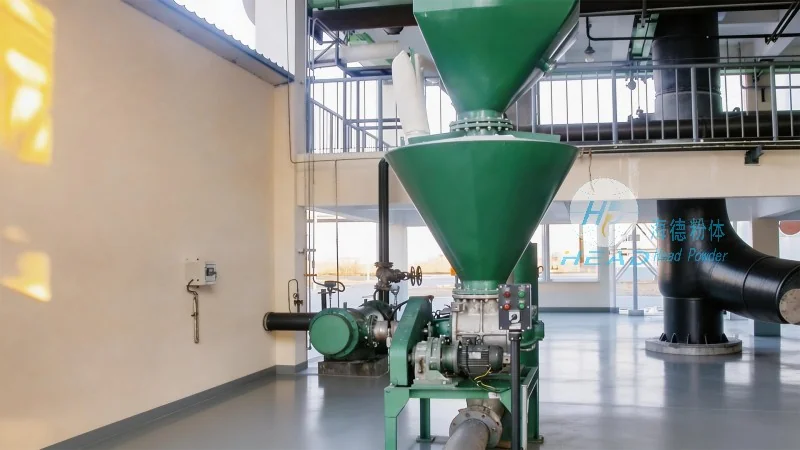
A key advantage of positive pressure systems is their ability to handle abrasive or corrosive materials without significant wear on the equipment. The high-pressure environment also allows for the integration of multiple delivery points, as the system can be designed with branching lines to distribute the material to various destinations. However, positive pressure conveying may require more robust equipment and higher energy consumption compared to negative pressure systems, especially when dealing with fine powders that are prone to dust generation.
Negative Pressure Conveying: Operational Mechanics and Advantages
Negative pressure conveying, or vacuum pneumatic conveying, works by creating a lower pressure in the conveying line than the surrounding atmosphere. A vacuum pump draws air and the limestone powder from the source, transporting it through the pipeline to a collection point. This method is often preferred for shorter conveying distances and for applications where dust containment is a priority, as the system operates under a vacuum, preventing dust from escaping into the environment.
One of the primary benefits of negative pressure systems is their lower energy consumption and reduced equipment complexity compared to positive pressure counterparts. The vacuum pump can be smaller and less expensive, making the initial investment more cost-effective for certain applications. Additionally, negative pressure conveying is well-suited for handling materials that are sensitive to high pressure or that require gentle handling to avoid agglomeration or degradation. However, this method may be less efficient for long-distance transport and can be more susceptible to clogging if the material contains high moisture content or is prone to bridging.
Comparative Analysis: Key Differences and Performance Metrics
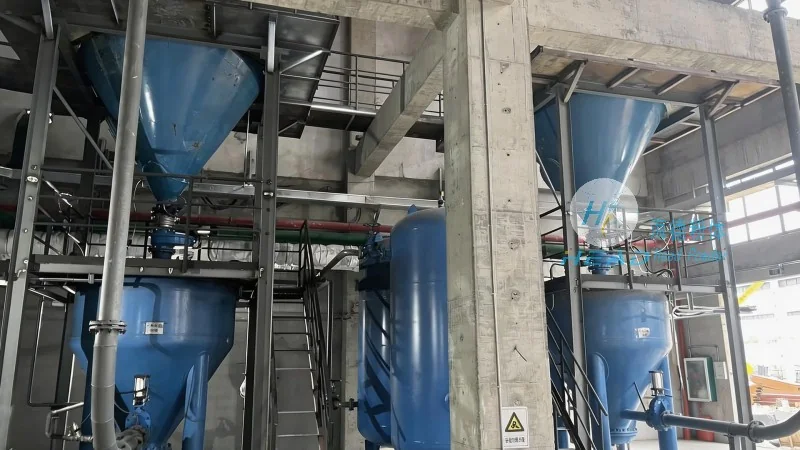
When evaluating positive versus negative pressure conveying for limestone powder, several factors must be considered to determine the most suitable option. Distance and pipeline complexity are critical determinants: positive pressure systems excel over longer distances and with intricate layouts, while negative pressure is better for shorter runs and simpler systems. Energy consumption is another significant factor, with negative pressure typically consuming less power but potentially requiring more frequent maintenance of the vacuum pump. Material characteristics, such as fineness, moisture content, and abrasiveness, also influence the choice, as positive pressure can handle more challenging materials without excessive wear, whereas negative pressure is ideal for delicate powders.
Operational flexibility is another area where the two methods differ. Positive pressure systems can accommodate multiple discharge points and are often used in continuous production lines, while negative pressure systems may be limited to single-point delivery or require additional equipment for branching. Environmental considerations also play a role, as negative pressure conveying inherently reduces dust emissions, making it a more environmentally friendly option for applications where air quality regulations are strict. Conversely, positive pressure systems may require additional dust control measures, such as filters or enclosures, to comply with environmental standards.
Practical Considerations and Application Recommendations
For industrial applications involving limestone powder, the choice between positive and negative pressure conveying should be guided by a thorough assessment of operational needs, material properties, and site constraints. HeadPowder, with its expertise in bulk material handling, offers customized solutions that integrate the most appropriate conveying method based on client requirements. For instance, in cement production facilities where limestone is transported over several kilometers with multiple delivery points, a positive pressure system may be preferred to ensure consistent flow and reliability. In contrast, a negative pressure system might be more suitable for a small-scale chemical plant handling fine limestone powder that requires gentle handling and minimal dust generation.
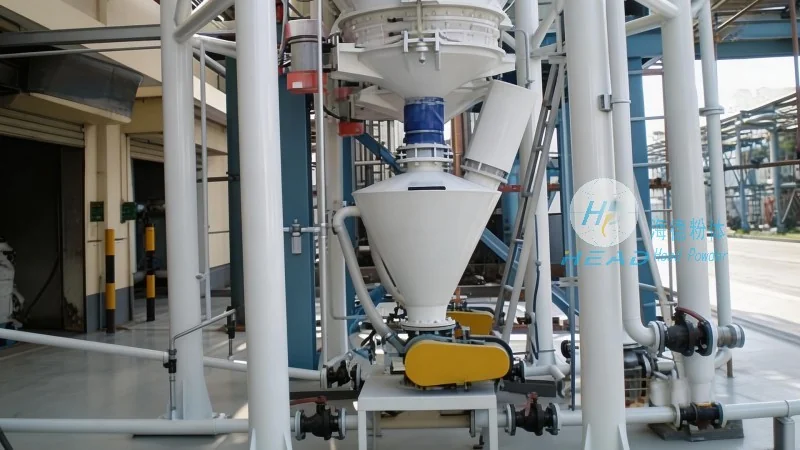
Maintenance and operational costs are also important considerations. Positive pressure systems, while more robust, may require regular inspection of high-pressure components and blower maintenance, leading to higher long-term costs. Negative pressure systems, on the other hand, may have lower maintenance requirements but could incur higher energy costs over time. HeadPowder provides comprehensive support, including system design, installation, and ongoing maintenance services, to ensure optimal performance and longevity of the conveying system.
Conclusion: Selecting the Right Conveying Method for Limestone Powder
In conclusion, both positive pressure and negative pressure pneumatic conveying methods offer viable solutions for transporting limestone powder, each with its own set of advantages and limitations. The selection process should prioritize factors such as conveying distance, material characteristics, energy efficiency, and environmental compliance. By understanding the operational principles and performance metrics of each method, industrial facilities can make informed decisions that enhance process efficiency, reduce costs, and ensure product quality. HeadPowder remains committed to delivering tailored pneumatic conveying solutions that meet the unique needs of its clients, providing reliable and efficient material handling systems for limestone powder applications.