

What is a Ternary Positive Electrode Material Powder Pneumatic Conveying Equipment? What are its Des
Ternary positive electrode materials are a critical component in modern lithium-ion batteries, widely used in electric vehicles and renewable energy storage systems. The efficient handling and transportation of these fine powders require specialized equipment to ensure minimal loss, contamination, and energy consumption. This article explores the concept of a ternary positive electrode material powder pneumatic conveying equipment, detailing its design principles and operational advantages.
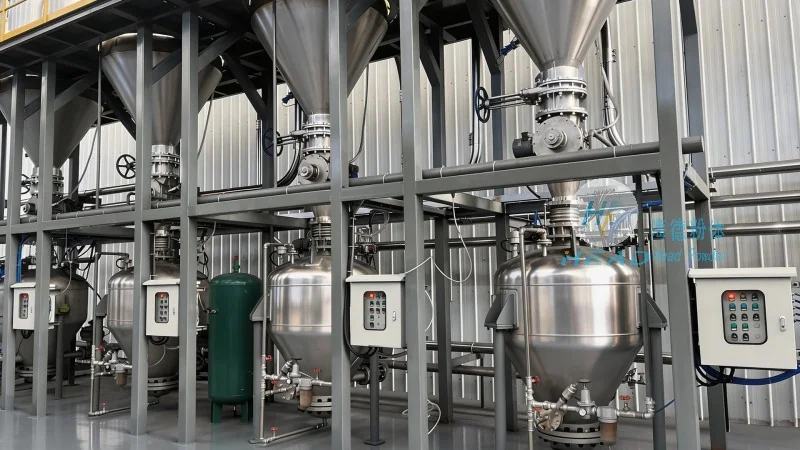
About Shandong HeadPowder Engineering Co., Ltd.
Headpowder, a leading manufacturer based in Shandong, China, specializes in engineering solutions for powder handling and processing. With years of experience in the battery materials industry, the company has developed advanced pneumatic conveying systems tailored to the unique demands of ternary positive electrode material production. The company's commitment to innovation and quality ensures that their equipment meets the stringent requirements of modern battery manufacturing.
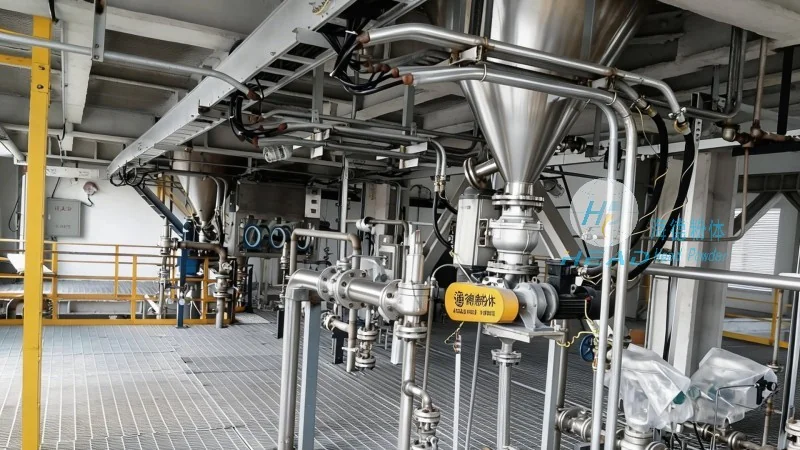
Design Principles of Ternary Positive Electrode Material Powder Pneumatic Conveying Equipment
The design of a pneumatic conveying system for ternary positive electrode materials involves several key principles aimed at optimizing performance and reliability. First, the system must handle fine powders with high flowability and low dust generation. This is achieved through the use of positive pressure or negative pressure conveying methods, depending on the specific material characteristics and process requirements. The equipment typically includes a hopper for material storage, a feeder to control the flow rate, and a conveying line with appropriate ductwork to transport the powder to the destination.
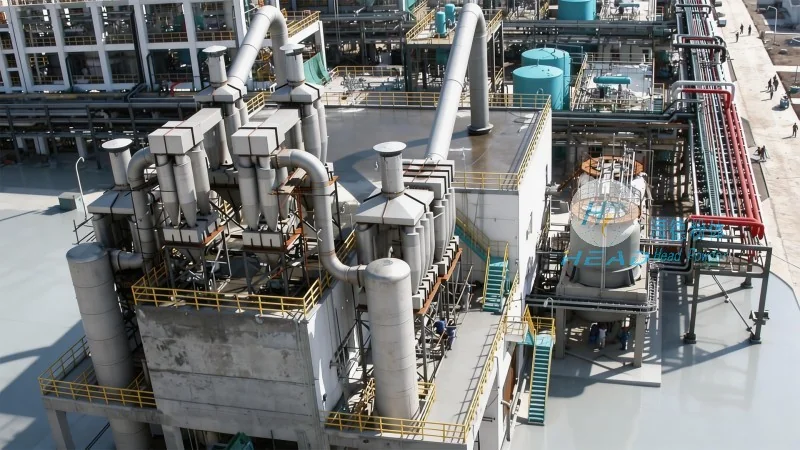
Another critical design aspect is the selection of appropriate materials for the conveying components. Since ternary positive electrode materials are often sensitive to moisture and contamination, the equipment must be constructed from corrosion-resistant and non-stick materials, such as stainless steel or specialized polymers. The system also incorporates features like pulse jets or rotary valves to maintain consistent flow and prevent blockages, which are common issues in powder handling. Additionally, the design considers energy efficiency, using optimized air flow rates and pressure controls to minimize operational costs while maintaining high conveying capacity.
Applications and Benefits in Battery Manufacturing
Ternary positive electrode material powder pneumatic conveying equipment plays a vital role in the battery production process. By efficiently transporting raw materials from storage to processing lines, the system reduces downtime and improves overall production throughput. The equipment's ability to handle fine powders with minimal degradation ensures that the quality of the final battery cells is maintained. Furthermore, the enclosed system design helps in controlling dust emissions, contributing to a safer and more environmentally friendly manufacturing environment. The benefits extend to cost savings, as the equipment reduces material loss and energy consumption compared to traditional bulk handling methods.
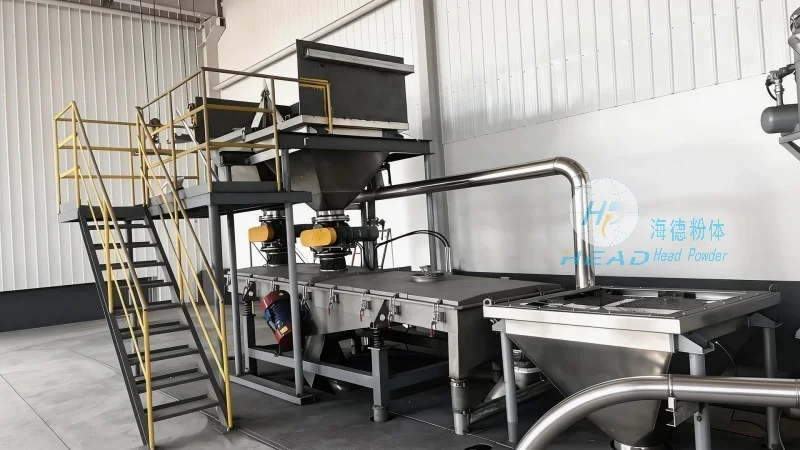
Maintenance and Operational Considerations
Proper maintenance is essential to ensure the long-term performance and reliability of the pneumatic conveying equipment. Regular cleaning of the hopper, feeder, and ductwork is necessary to prevent material buildup and blockages. The system's air filtration and compression units should be checked periodically to maintain optimal air quality and pressure. Operational considerations include monitoring the flow rate and pressure to detect any abnormalities that may indicate a problem with the system. Training operators on the proper use and maintenance of the equipment is also crucial to maximize its lifespan and efficiency.