

What is a Concrete Powder Pneumatic Conveying System? And What Are Its Design Principles?
Concrete powder pneumatic conveying systems are specialized equipment used in the construction and concrete manufacturing industries to transport dry concrete powders efficiently. These systems utilize air pressure or vacuum to move materials from one location to another, offering a dust-free and flexible solution compared to traditional methods like bucket elevators or belt conveyors. Understanding both the function and design principles of such systems is crucial for optimizing material handling processes in concrete production facilities.
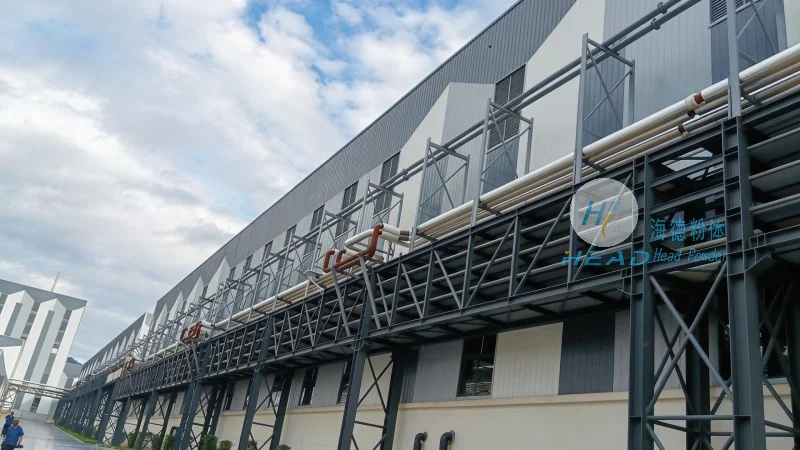
Introduction to Concrete Powder Pneumatic Conveying Systems
A concrete powder pneumatic conveying system is a mechanical device designed to transport dry cementitious powders, such as cement, fly ash, or other additives, through a pipeline using air as the conveying medium. Unlike bulk solid handling equipment that relies on gravity or mechanical force, pneumatic systems employ compressed air or negative pressure to move materials, making them ideal for applications where dust control, space constraints, and precise material delivery are critical. The technology has evolved significantly over the years, with modern systems incorporating advanced control mechanisms and materials to enhance efficiency and reliability.
The Core Function of Pneumatic Conveying for Concrete Powders
The primary function of a concrete powder pneumatic conveying system is to transport dry concrete powders from a storage silo or hopper to a mixing plant or other processing unit. This process involves several key steps: material feeding, air induction, conveying, and discharge. The system typically includes a hopper where the powder is stored, a feeder that controls the flow rate, a venturi or airlock that creates the necessary pressure differential, and a pipeline network that transports the material. By using air to move the powder, the system minimizes the risk of dust exposure and ensures a consistent flow rate, which is essential for maintaining the quality of concrete mixes.
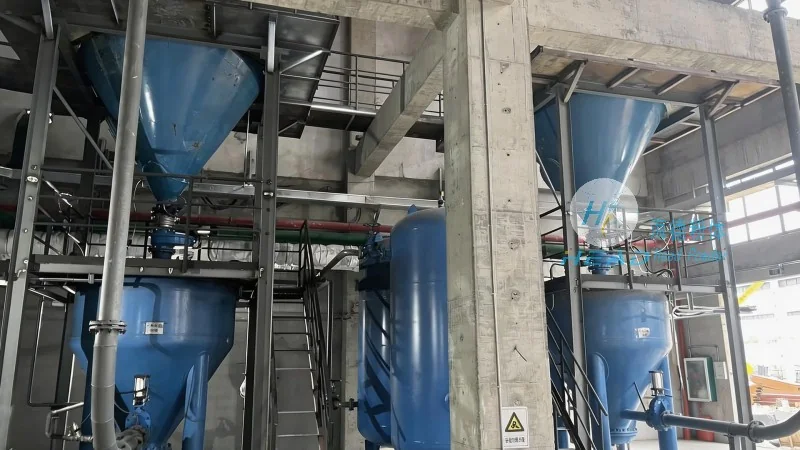
Design Principles Underpinning Concrete Powder Conveying Equipment
The design of a concrete powder pneumatic conveying system is governed by several fundamental principles aimed at ensuring efficient and reliable operation. These principles include maintaining a sufficient air velocity to prevent material settling in the pipeline, controlling the pressure drop across the system to minimize energy consumption, and selecting appropriate materials for components that come into contact with the powder to prevent corrosion or degradation. Engineers must also consider the particle size and density of the concrete powder, as these factors affect the required air velocity and system pressure. For example, finer powders may require higher air velocities to maintain suspension, while larger particles may need additional equipment like rotary valves or airlocks to ensure smooth transport.
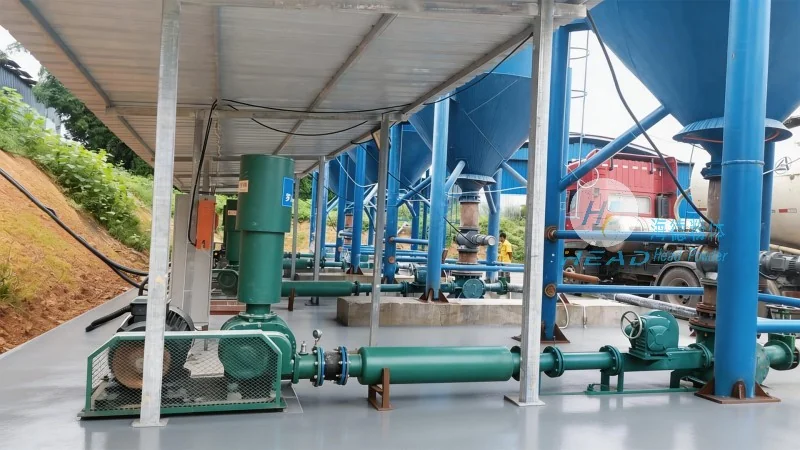
Key Components and Their Roles in the System
Several critical components make up a concrete powder pneumatic conveying system, each playing a vital role in the overall operation. The main components include the storage silo or hopper, which holds the concrete powder; the feeder, which regulates the material flow rate; the air compressor or vacuum pump, which provides the necessary air pressure or vacuum; the venturi or airlock, which creates the pressure differential for conveying; the pipeline network, which transports the material; and the discharge unit, which delivers the powder to the target location. The storage silo is typically made of stainless steel or other corrosion-resistant materials to prevent contamination and ensure durability. The feeder, often a rotary valve or screw feeder, ensures a consistent flow of powder into the system, preventing blockages and maintaining system efficiency. The air compressor or vacuum pump generates the pressure needed to move the powder through the pipeline, with the choice of equipment depending on the system's capacity and the required conveying distance. The venturi or airlock is a critical component that creates the pressure drop, allowing the powder to be suspended in the air stream and transported efficiently. The pipeline network is designed with smooth, rounded bends and transitions to minimize pressure loss and prevent material deposition. Finally, the discharge unit, such as a rotary valve or airlock, controls the release of the powder into the mixing plant, ensuring a controlled and consistent flow.
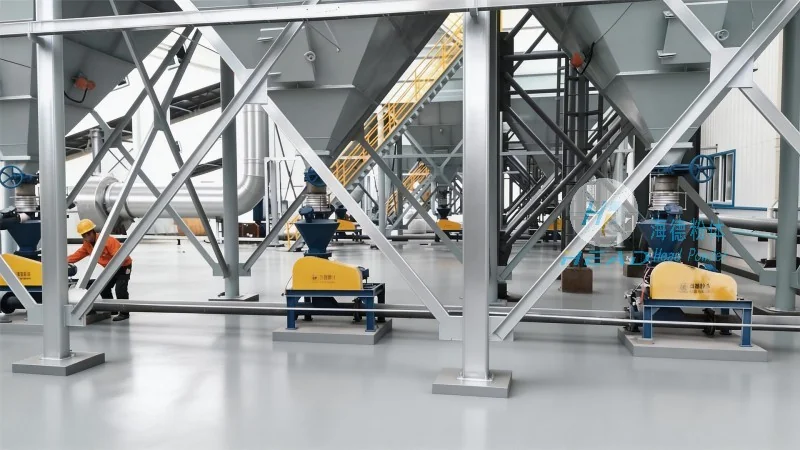
Applications and Benefits in Concrete Production
Concrete powder pneumatic conveying systems are widely used in various applications within the concrete production industry. They are commonly employed to transport cement, fly ash, and other additives from storage silos to the batching plant, where they are mixed with aggregates and water to form concrete. This method is particularly advantageous in large-scale concrete production facilities, where the need for efficient material handling and dust control is paramount. The benefits of using pneumatic conveying systems include reduced labor costs, improved safety by minimizing dust exposure, and enhanced process control, which leads to more consistent concrete quality. Additionally, these systems are flexible and can be easily integrated into existing production lines, allowing for modifications or expansions as production needs change. The use of pneumatic conveying also helps to maintain a clean working environment, which is essential for compliance with occupational health and safety regulations.
Shandong HeadPowder Engineering Co., Ltd., a leading manufacturer of concrete powder handling equipment, specializes in designing and manufacturing high-quality pneumatic conveying systems tailored to the specific needs of concrete production facilities. With a focus on innovation and customer satisfaction, the company has developed advanced systems that incorporate the latest design principles and materials to ensure optimal performance and reliability. Based in Shandong, China, HeadPowder Engineering provides comprehensive solutions for material handling in the concrete industry, helping businesses improve efficiency and maintain product quality. The company's commitment to quality and customer service has made it a trusted partner for concrete manufacturers worldwide.