

Working Principle and Features of Spices Pneumatic Conveying System Equipment
Shandong HeadPowder Engineering Co., Ltd., commonly known as HeadPowder, is a professional manufacturer specializing in the design, development, and production of advanced pneumatic conveying systems for the spice industry. With a focus on precision and efficiency, the company has established itself as a leading provider of equipment tailored to the unique requirements of spice processing and handling.
Working Principle of Spices Pneumatic Conveying Systems
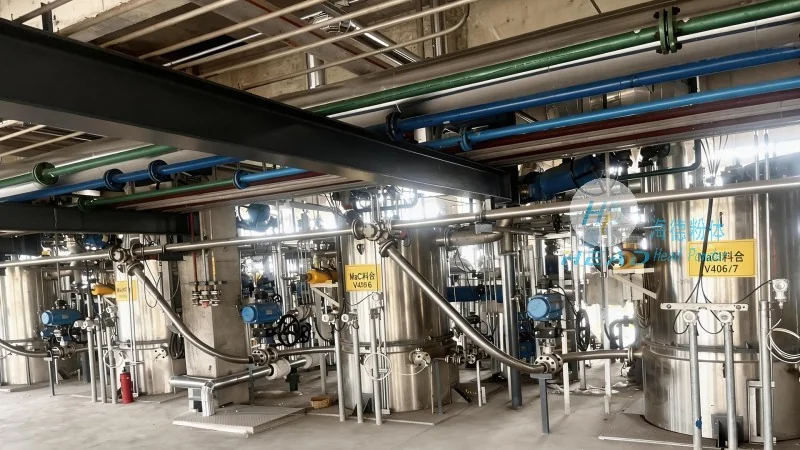
The working principle of a spices pneumatic conveying system involves the use of air as the medium to transport dry, granular materials. The system operates by creating a pressure differential between the inlet and outlet of the conveying line. In a positive pressure system, air is blown into the system, carrying the spice particles forward. The air then exits through a separator, where the spices are separated from the air stream. In a negative pressure system, air is drawn out of the system, creating a vacuum that pulls the spices into the conveying line. The air is then filtered and recycled. The feeder component is critical in this process, as it ensures a consistent and controlled flow of spices into the system, preventing blockages and maintaining system efficiency. The conveying line is typically made of stainless steel or other corrosion-resistant materials, designed to withstand the abrasive nature of spices and the moisture content in the air. The separator, often a cyclone or bag filter, effectively separates the spices from the air, ensuring that the material is delivered to the destination without contamination. The control system monitors and adjusts the air flow and pressure in real-time, optimizing the conveying process and minimizing energy waste.
Key Features of Spices Pneumatic Conveying Equipment
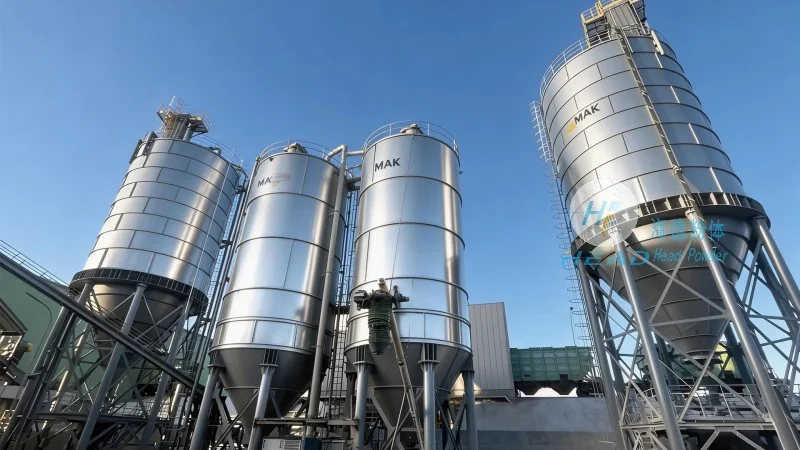
HeadPowder's spices pneumatic conveying equipment is characterized by several key features that set it apart in the industry. Firstly, the systems are designed with a focus on durability and longevity, using high-grade stainless steel and other robust materials that resist corrosion and wear from frequent use. This ensures that the equipment can withstand the harsh conditions of spice processing, including exposure to moisture, dust, and abrasive particles. Secondly, the systems incorporate advanced automation and control technologies, allowing for precise regulation of air pressure and flow rates. This not only enhances the efficiency of the conveying process but also reduces energy consumption by optimizing the amount of air used. The automation also minimizes the need for manual intervention, reducing labor costs and improving operational consistency. Thirdly, the equipment is designed with easy maintenance in mind. Components such as the feeder, separator, and conveying line are modular and can be easily accessed for cleaning or replacement. This reduces downtime and maintenance costs, making the system more cost-effective over its lifespan. Additionally, the systems are scalable, meaning they can be customized to meet the specific needs of different spice processing facilities, whether they are small-scale operations or large industrial plants. The flexibility in design allows for integration with existing production lines or as a standalone system, providing versatility in application.
Advantages in Spice Processing
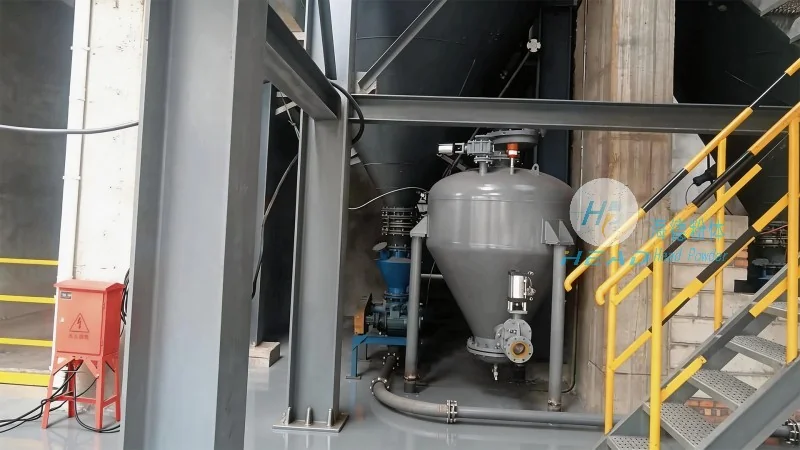
Implementing a pneumatic conveying system from HeadPowder offers significant benefits for spice processing facilities. The primary advantage is the improvement in material handling speed and accuracy. The automated system can transport spices over long distances, such as from storage silos to processing lines, in a fraction of the time required by manual methods. This reduces bottlenecks in the production process and allows for faster turnaround times. The gentle handling of the spices by the system also minimizes product damage, preserving the flavor, aroma, and texture of the spices. This is particularly important for high-value spices, as it maintains their market value and quality. The systems also contribute to better hygiene and sanitation in the processing environment. By eliminating manual handling, the risk of cross-contamination is reduced, and the equipment can be easily cleaned and sanitized, meeting stringent food safety regulations. Furthermore, the energy efficiency of the systems helps lower operational costs, as they use less power compared to traditional methods like bucket elevators or belt conveyors. The reduced energy consumption not only saves money but also aligns with sustainability goals, making the system environmentally friendly. The reliability of the equipment ensures consistent performance, reducing unexpected downtime and maintaining production schedules. This reliability is crucial for meeting customer demands and maintaining market competitiveness.