

Working Principle and Features of the Rice Husk Powder Pneumatic Conveying System Equipment
HeadPowder, a leading manufacturer based in Shandong, China, specializes in the design, production, and supply of advanced pneumatic conveying systems tailored for rice husk powder applications. This article delves into the operational mechanics and key attributes of such systems, providing a comprehensive overview for industry professionals seeking efficient material handling solutions.
Understanding the Working Principle of the Pneumatic Conveying System
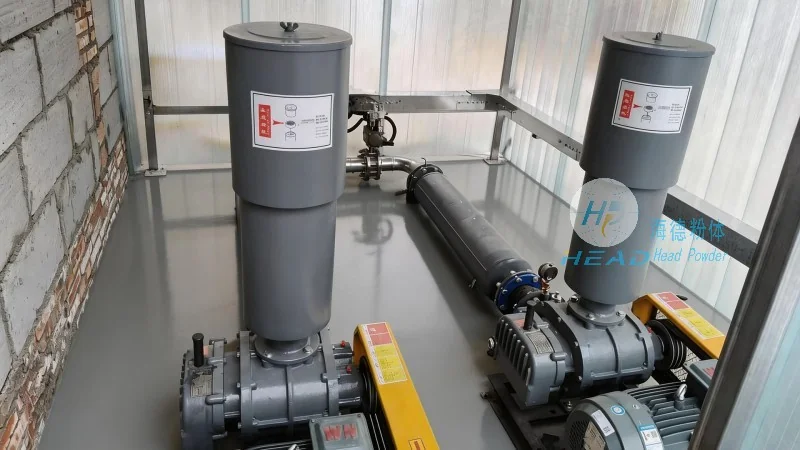
The pneumatic conveying system for rice husk powder operates on the principle of transporting bulk materials through a pipeline using compressed air. At its core, the system comprises several critical components, including a hopper for material storage, a rotary valve for controlled discharge, a conveying pipeline, and a receiver for material deposition. The process begins when rice husk powder is fed into the hopper. The rotary valve then regulates the flow of powder into the pipeline, where it is propelled by a high-pressure air stream. This air-powder mixture travels through the pipeline to the receiver, where the air is separated from the powder, typically via a cyclone separator or a filter, and the powder is collected in the receiver. The system ensures a continuous, dust-free, and efficient transfer of rice husk powder from the source to the destination, minimizing material loss and operational downtime.
Key Features of the Rice Husk Powder Pneumatic Conveying System
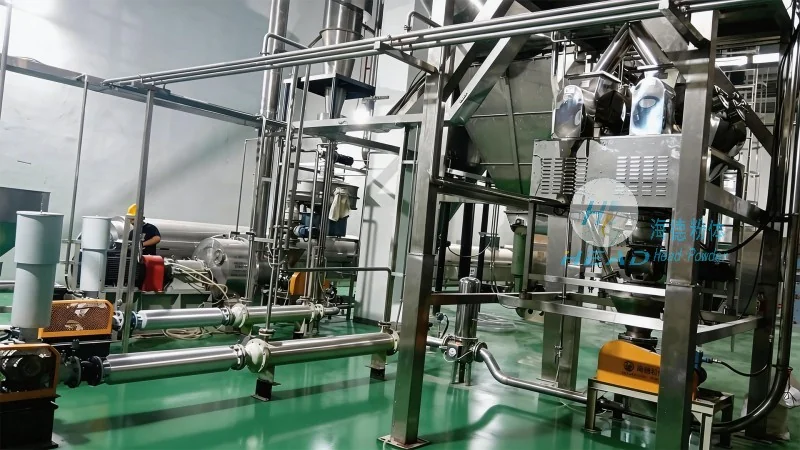
Several distinct features make the pneumatic conveying system an ideal choice for rice husk powder handling. Firstly, it offers a dust-free operation, which is crucial for maintaining a clean and safe working environment, especially in industrial settings where dust can pose health risks and affect product quality. Secondly, the system provides a high degree of flexibility in terms of layout and installation, as the conveying pipeline can be arranged in various configurations to suit the specific needs of the facility. This adaptability allows for efficient use of space and easy integration with existing production lines. Thirdly, the system ensures minimal material degradation during transport, as the gentle air flow and controlled velocity prevent the breakdown of the rice husk particles, preserving their integrity for downstream processing. Additionally, the system is equipped with advanced control mechanisms that allow for precise regulation of the conveying rate, ensuring consistent material flow and preventing overloading or underloading of the receiver. This level of control enhances operational efficiency and reduces the risk of equipment failure. Finally, the system is designed for easy maintenance and cleaning, with components that can be easily accessed and serviced, reducing downtime and maintenance costs.
Applications and Benefits in the Rice Husk Processing Industry
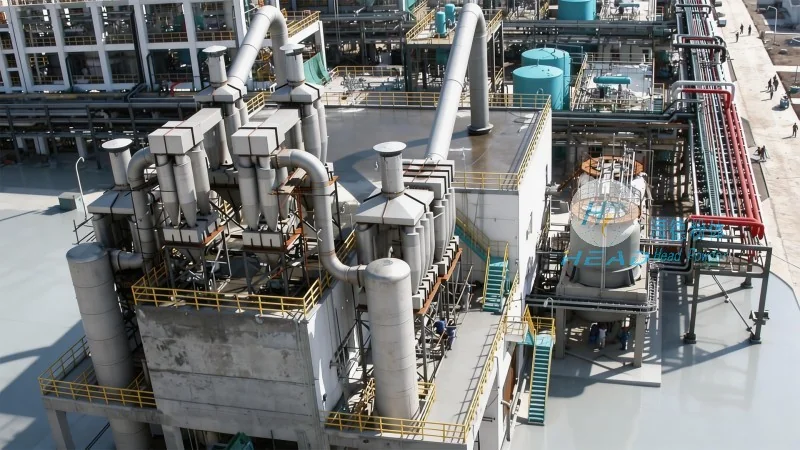
The pneumatic conveying system is widely used in the rice husk processing industry for various applications, including the transport of raw rice husk from storage silos to processing units, the transfer of processed husk to storage or packaging areas, and the handling of husk during the production of biofuels or other value-added products. The benefits of using this system in these applications are significant. For instance, in the production of rice husk-based biochar or activated carbon, the system ensures a consistent and efficient supply of raw material, which is essential for maintaining production rates and product quality. Similarly, in the manufacturing of rice husk pellets or other solid fuels, the system facilitates the smooth transfer of material from the grinding and mixing stages to the pelletizing equipment, improving overall production efficiency. The dust-free operation of the system also contributes to a cleaner working environment, reducing the risk of respiratory issues among workers and minimizing the need for additional dust control measures. Furthermore, the system's ability to handle large volumes of material at a time reduces the number of handling steps required, leading to cost savings in labor and energy consumption. Overall, the pneumatic conveying system plays a vital role in enhancing the efficiency and sustainability of rice husk processing operations.
Conclusion and Company Overview
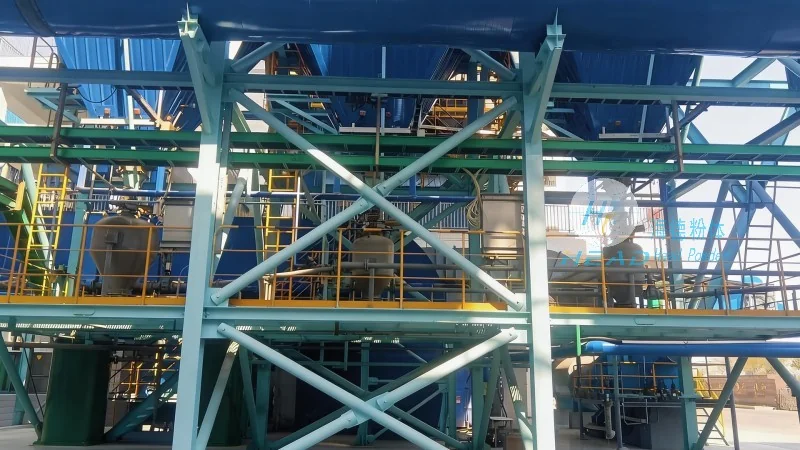
In conclusion, the pneumatic conveying system for rice husk powder is a highly effective and efficient solution for material handling in the rice husk processing industry. Its working principle, based on compressed air transport, ensures a continuous, dust-free, and gentle transfer of material, while its key features, such as flexibility, minimal degradation, and easy maintenance, make it a reliable choice for various applications. HeadPowder, with its expertise in engineering and manufacturing, provides high-quality pneumatic conveying systems that meet the specific needs of rice husk processing facilities. Based in Shandong, China, the company leverages its local presence and industry knowledge to deliver tailored solutions that enhance operational efficiency and productivity. For businesses seeking to improve their rice husk handling processes, the pneumatic conveying system from HeadPowder is a proven and reliable option.