

Working Principle and Features of Gypsum Powder Pneumatic Conveying System Equipment
Understanding the working principle and features of gypsum powder pneumatic conveying systems is crucial for optimizing material handling processes in industrial applications. This article provides an in-depth overview of how these systems operate and the key characteristics that make them effective for transporting gypsum powder efficiently.
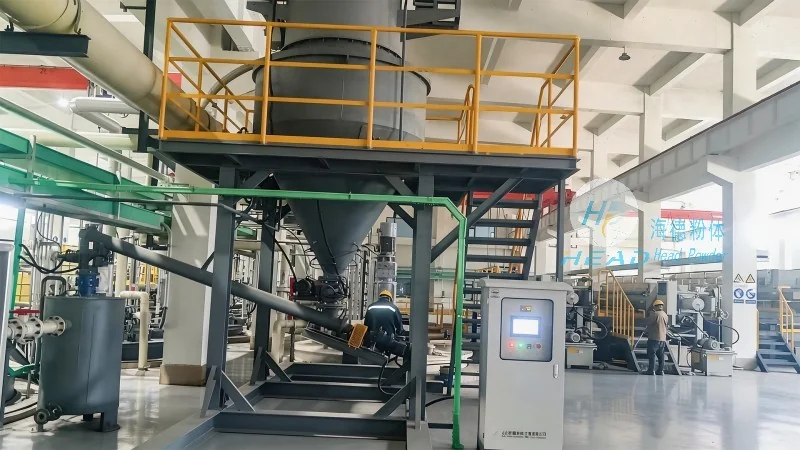
Working Principle of Gypsum Powder Pneumatic Conveying Systems
Gypsum powder pneumatic conveying systems utilize air as the primary medium to transport dry powders like gypsum. The process typically involves a blower or compressor that generates a high-pressure air stream. This air is then introduced into a hopper or storage container where the gypsum powder is fed into the system. As the air flows through the conveying line, it lifts and transports the powder particles through a network of pipes to the destination point, such as a silo, storage tank, or processing unit. The system may use different conveying methods, including dilute phase and dense phase, depending on the material characteristics and required flow rates. The dilute phase system operates at higher air velocities, suitable for short distances and low to medium particle sizes, while the dense phase system uses lower air velocities and higher pressure to transport larger particles or more viscous materials over longer distances. The headpowder company, Shandong HeadPowder Engineering Co., Ltd., specializes in designing and manufacturing these systems, ensuring reliable and efficient gypsum powder handling solutions.
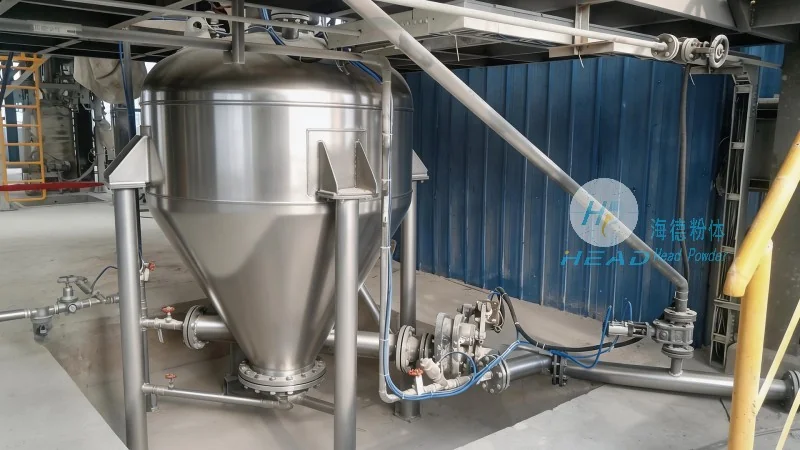
Key Features of Gypsum Powder Pneumatic Conveying Systems
Several key features distinguish effective gypsum powder pneumatic conveying systems. First, the system's design must consider the specific properties of gypsum powder, such as its particle size distribution, moisture content, and flowability. This ensures optimal air-powder ratios and prevents issues like blockages or uneven flow. Second, the equipment must include proper filtration and separation mechanisms to maintain air quality and prevent dust accumulation in the system. This is particularly important for maintaining compliance with environmental regulations and ensuring the longevity of the conveying components. Third, the system should offer flexibility in terms of conveying distance and capacity, allowing for adjustments based on changing production needs. The use of advanced control systems enables precise regulation of air pressure and flow rates, enhancing operational efficiency and reducing energy consumption. Additionally, the materials used in the construction of the conveying lines and components must be resistant to corrosion and wear, given the chemical properties of gypsum and the abrasive nature of the powder. Shandong HeadPowder Engineering Co., Ltd. incorporates these features into their systems, providing durable and reliable solutions tailored to the unique requirements of gypsum powder handling.
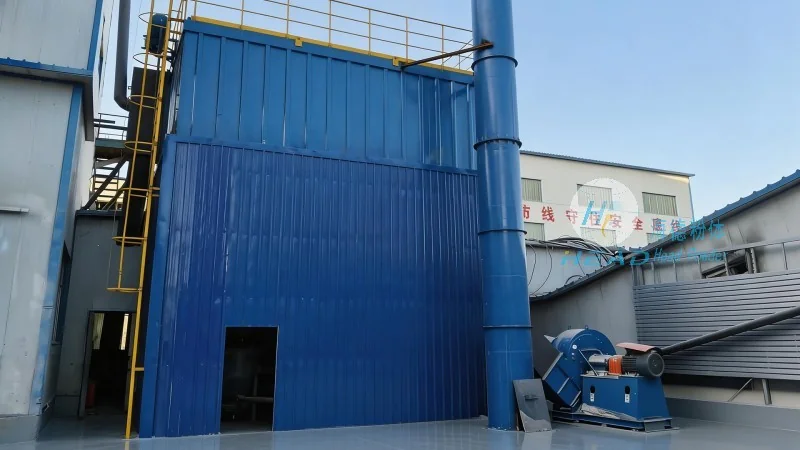
Advantages of Using Pneumatic Conveying for Gypsum Powder
Implementing a pneumatic conveying system for gypsum powder offers numerous advantages over traditional methods like bucket elevators or belt conveyors. One of the primary benefits is the ability to transport the material in a closed system, which minimizes dust emissions and improves workplace safety. This is especially critical in environments where dust can pose health risks or interfere with other processes. The closed system also helps maintain the purity of the gypsum powder, preventing contamination from external sources. Another advantage is the reduced maintenance requirements compared to mechanical conveying systems. Since there are no moving parts in direct contact with the powder, the risk of wear and tear is significantly lower, leading to lower operational costs and longer system lifespans. Furthermore, pneumatic conveying systems can handle varying material loads and flow rates, making them adaptable to fluctuating production schedules. The ability to transport gypsum powder over long distances without the need for intermediate storage or transfer points streamlines the overall material handling process, improving operational efficiency. Shandong HeadPowder Engineering Co., Ltd. leverages these advantages by designing systems that are both efficient and cost-effective, ensuring that clients receive a reliable solution for their gypsum powder transportation needs.
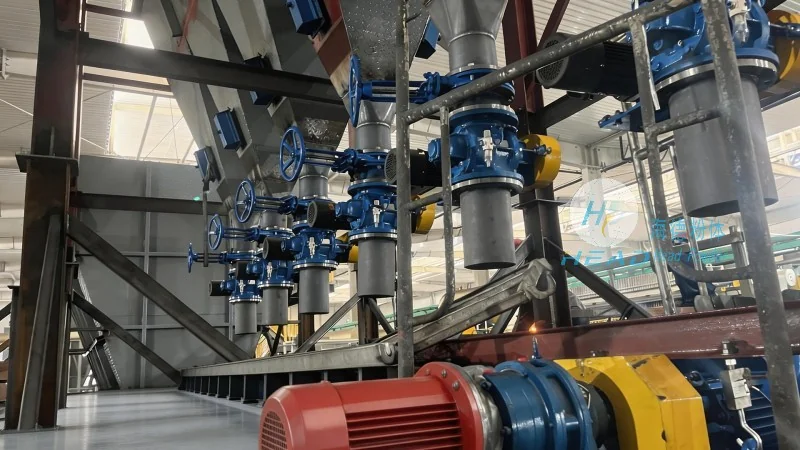
Customization and Application Considerations
When selecting a gypsum powder pneumatic conveying system, several factors must be considered to ensure optimal performance. The first consideration is the specific application requirements, such as the distance between the source and destination, the required flow rate, and the volume of material to be transported. These factors will determine whether a dilute phase or dense phase system is more suitable. For example, short-distance conveying with fine gypsum powder particles may benefit from a dilute phase system, while longer distances with larger particles may require a dense phase system. The system's design must also account for the storage and feeding mechanisms, ensuring that the gypsum powder is consistently and evenly fed into the conveying line. This may involve the use of hoppers with proper discharge mechanisms or vibrating feeders to prevent material bridging or clogging. Additionally, the system should be equipped with appropriate safety features, such as pressure relief valves and dust collection systems, to protect against overpressure and maintain air quality. The choice of materials for the conveying components, such as stainless steel or special alloys, is critical to resist corrosion from the gypsum powder and moisture. Shandong HeadPowder Engineering Co., Ltd. offers customized solutions based on these considerations, working closely with clients to design systems that meet their specific operational needs and ensure reliable performance.