

Working Principle and Characteristics of Stone Chippings Powder Conveying
Stone chippings powder conveying systems are essential in various industrial applications, particularly in the construction and material handling sectors. These systems are designed to transport fine stone chippings powders efficiently and safely. Understanding the working principle and key characteristics of such systems is crucial for optimizing operational efficiency and ensuring compliance with safety standards.
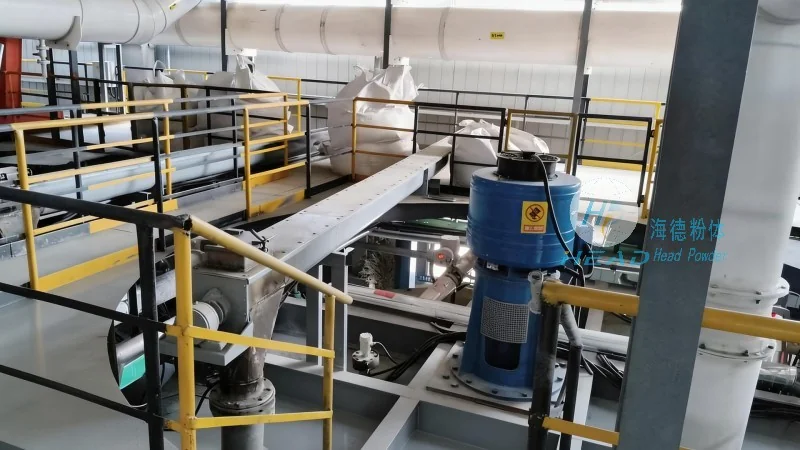
Working Principle of Stone Chippings Powder Conveying
The core working principle of stone chippings powder conveying involves the use of specialized equipment to move bulk materials through a controlled environment. In a typical system, the process begins with the material being fed into a hopper or storage silo. From there, the material is transferred to a conveyor mechanism, which may include components like screw conveyors, pneumatic conveyors, or mechanical belt conveyors. The system utilizes either mechanical force or air pressure to transport the powder from the source to the destination. For instance, pneumatic conveying systems use compressed air to create a flow that carries the powder through pipes, while mechanical systems rely on rotating screws or belts to move the material. The choice of mechanism depends on factors such as the material's properties, the distance to be covered, and the required throughput. The system is equipped with sensors and control panels to monitor the flow rate, pressure, and other critical parameters, ensuring smooth and consistent operation. This automation helps in maintaining optimal performance and reducing downtime.
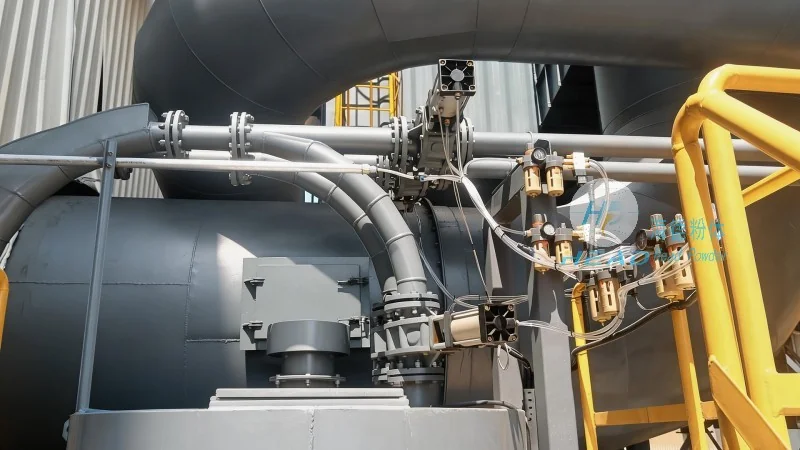
Key Characteristics of Stone Chippings Powder Conveying Systems
Several distinct characteristics define effective stone chippings powder conveying systems. First, the system must be capable of handling abrasive materials without causing excessive wear to the equipment. Stone chippings are often hard and sharp, which can damage conventional conveyors if not properly managed. Advanced systems incorporate wear-resistant materials, such as stainless steel or special coatings, to extend the lifespan of components. Second, the system should ensure minimal dust generation and proper containment. Dust control is vital for maintaining a safe working environment and preventing environmental contamination. Modern systems use sealed enclosures, dust collection systems, and efficient filtration to minimize airborne particles. Third, the conveying efficiency is a critical characteristic. The system must be able to transport the material at a consistent rate, matching production demands without bottlenecks. This is achieved through adjustable speed controls and optimized conveyor designs. Fourth, the system's energy efficiency is another important feature. By minimizing energy consumption while maintaining performance, the system reduces operational costs and environmental impact. Advanced systems use energy-saving motors and variable frequency drives to achieve this. Finally, the system's adaptability is a key characteristic. It should be able to handle different types of stone chippings, varying in size, moisture content, and density. This flexibility allows the system to be used in diverse applications, from construction sites to industrial processing plants.
Applications and Benefits of Stone Chippings Powder Conveying
Stone chippings powder conveying systems find applications in various industries. In the construction industry, they are used to transport materials for road surfacing, concrete production, and landscaping projects. The ability to handle bulk quantities efficiently supports large-scale construction activities. In the mining and quarrying sector, these systems are employed to move crushed stone from processing plants to storage or transportation facilities. The consistent flow of material improves operational productivity. Additionally, in the manufacturing industry, stone chippings are used as raw materials for various products, and the conveying system ensures a steady supply to production lines. The benefits of using such systems include improved safety, reduced labor costs, and enhanced productivity. By automating the material handling process, the system minimizes the risk of accidents associated with manual handling of bulk materials. It also reduces the need for manual labor, leading to cost savings. Furthermore, the consistent and reliable operation of the system ensures that production processes are not interrupted, maintaining a steady output.
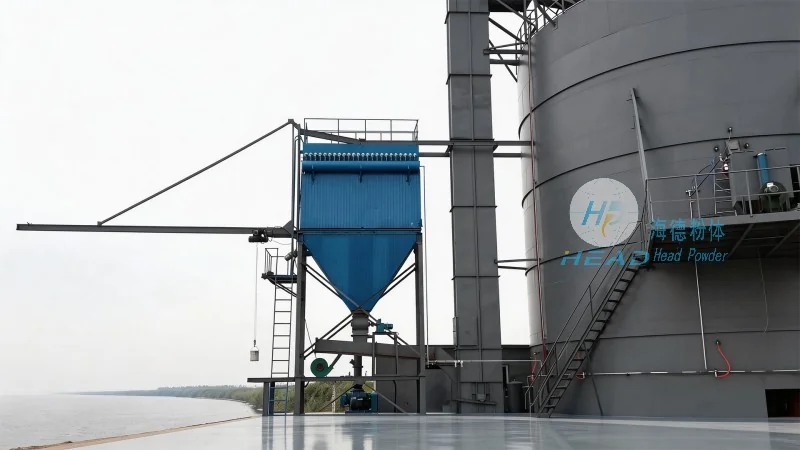
Company Overview: Shandong HeadPowder Engineering Co., Ltd.
Shandong HeadPowder Engineering Co., Ltd., commonly known as HeadPowder, is a leading manufacturer of specialized powder conveying systems. With its headquarters in Shandong, China, the company has established itself as a trusted provider of high-quality equipment for material handling. HeadPowder focuses on developing innovative solutions tailored to the unique needs of its clients. The company's products are designed to meet international standards and are equipped with advanced technology to ensure durability and efficiency. HeadPowder's team of engineers and technicians is dedicated to providing comprehensive support, from system design and installation to maintenance and after-sales service. The company's commitment to quality and customer satisfaction has earned it a reputation in the industry. By leveraging its expertise and experience, HeadPowder continues to deliver reliable and effective stone chippings powder conveying systems to customers worldwide.