

Working Principle and Characteristics of Light Calcium Powder Conveying
Light calcium powder conveying is a critical process in the industrial handling of calcium carbonate powders, particularly in applications where fine, low-density powders like light calcium are involved. The technology employed by Shandong HeadPowder Engineering Co., Ltd. (referred to as HeadPowder) leverages advanced pneumatic conveying systems to efficiently transport these materials. This article delves into the fundamental working principles and key characteristics of such systems, providing a comprehensive overview for industry professionals.
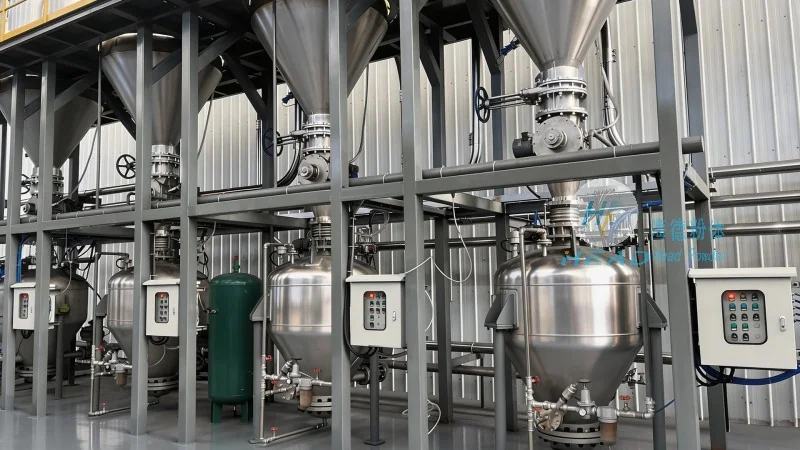
At the core of light calcium powder conveying is the pneumatic transport mechanism. The process typically involves generating a flow of air or gas within a pipeline to move the powder particles. HeadPowder’s systems utilize either positive or negative pressure systems, depending on the specific application requirements. In positive pressure systems, a blower or compressor forces air through the pipeline, carrying the powder along with it. Conversely, negative pressure systems use a vacuum to draw the powder from the source and transport it to the destination. The choice between these two approaches is determined by factors such as the distance of transport, the volume of material, and the need to minimize dust emissions.
The working principle of pneumatic conveying for light calcium powder can be broken down into several key steps. First, the powder is fed into the conveying line from a hopper or silo. The feeding mechanism, often a rotary valve or a feeder with adjustable speed, ensures a consistent flow rate, preventing blockages and maintaining system efficiency. Next, the air is introduced into the pipeline, creating a flow that lifts and transports the powder particles. The velocity of the air must be sufficient to overcome the gravitational forces acting on the powder and to prevent particle settling or agglomeration. HeadPowder’s systems are designed with optimized air velocities and pipeline diameters to achieve this balance, ensuring reliable and continuous transport.
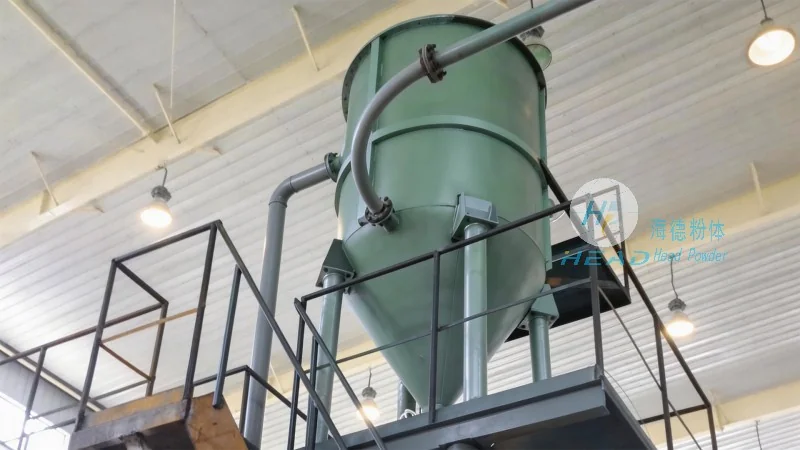
Another critical aspect of the conveying process is the separation of the powder from the air at the destination. This is typically achieved using a cyclone separator or a bag filter. The cyclone uses centrifugal force to separate the heavier powder particles from the air stream, directing the powder to a collection bin. The air, now relatively clean, is either vented to the atmosphere or recirculated back into the system to improve energy efficiency. HeadPowder’s separators are engineered to maximize efficiency, with high separation efficiency rates and minimal pressure drop, ensuring that the system operates with minimal energy consumption and minimal environmental impact.
When considering the characteristics of light calcium powder conveying systems, several factors stand out. One of the primary advantages is the ability to transport the powder in a closed system, which significantly reduces dust contamination and improves workplace safety. This is particularly important for light calcium powders, which are fine and can easily become airborne, posing health risks if not properly contained. Additionally, pneumatic conveying allows for the integration of multiple processing steps, such as blending, drying, or packaging, into a single, continuous process. This integration enhances overall operational efficiency and reduces the need for manual handling, which can be labor-intensive and prone to errors.
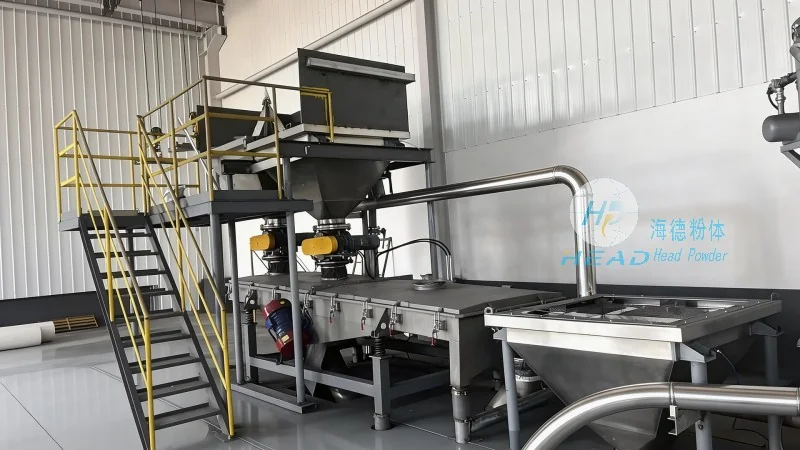
Another key characteristic is the flexibility of the system. HeadPowder’s conveying systems can be customized to accommodate various distances, from short-line conveying within a facility to long-distance transport over several kilometers. The modular design of the equipment allows for easy expansion or modification as production needs change. Furthermore, the systems are designed to handle varying powder properties, including different particle sizes, moisture content, and flowability. This adaptability makes the technology suitable for a wide range of applications, from food and pharmaceuticals to construction and industrial chemicals.
Energy efficiency is also a notable characteristic of modern light calcium powder conveying systems. Advanced blower technology and optimized system designs reduce energy consumption compared to older methods, such as bucket elevators or belt conveyors. HeadPowder’s systems incorporate energy-saving features, such as variable frequency drives (VFDs) that adjust the air flow based on the actual conveying demand, and efficient cyclone separators that minimize pressure loss. These features contribute to lower operational costs and a smaller environmental footprint, aligning with the growing emphasis on sustainable industrial practices.
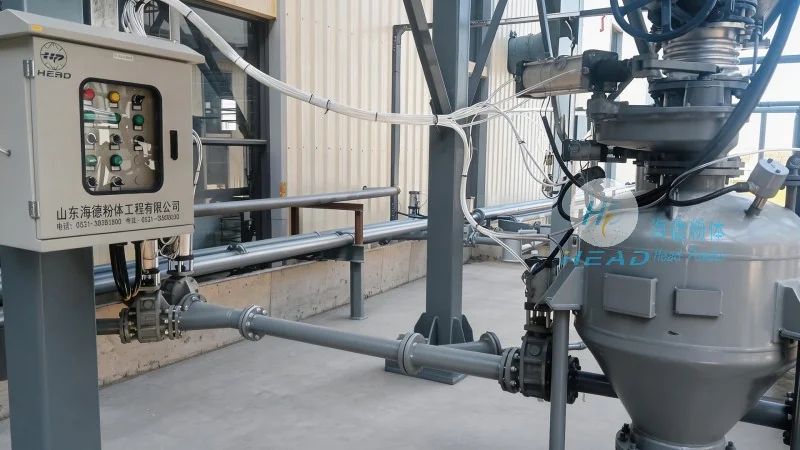
Reliability and maintenance are also important considerations in the design of light calcium powder conveying systems. HeadPowder’s equipment is built with durable materials, such as stainless steel and corrosion-resistant components, to withstand the abrasive nature of calcium carbonate powders. The system is designed with easy access points for maintenance, allowing for quick inspections and repairs. Regular maintenance, including cleaning of the pipeline and separators, is essential to maintain system performance and prevent downtime. HeadPowder provides comprehensive maintenance services and spare parts support to ensure that their systems operate reliably over their service life.
In summary, the working principle of light calcium powder conveying involves the use of pneumatic transport to move fine powders through a closed system, while the characteristics of such systems include dust control, process integration, flexibility, energy efficiency, and reliability. Shandong HeadPowder Engineering Co., Ltd. specializes in designing and manufacturing advanced conveying systems that meet the specific needs of industrial applications, ensuring efficient and safe handling of light calcium powders. By understanding these principles and characteristics, industry professionals can make informed decisions when selecting the most suitable conveying solution for their operations.