

Working Principle and Characteristics of Calcium Phosphate Powder Conveying
Calcium phosphate powders are widely utilized across diverse industrial sectors, including pharmaceuticals, food processing, and chemical manufacturing. The efficient and reliable handling of these powders is paramount for maintaining product quality, ensuring operational efficiency, and minimizing material loss. This article delves into the working principle and key characteristics of calcium phosphate powder conveying systems, offering insights into how advanced technologies enable seamless material transport in industrial settings.
Working Principle of Calcium Phosphate Powder Conveying
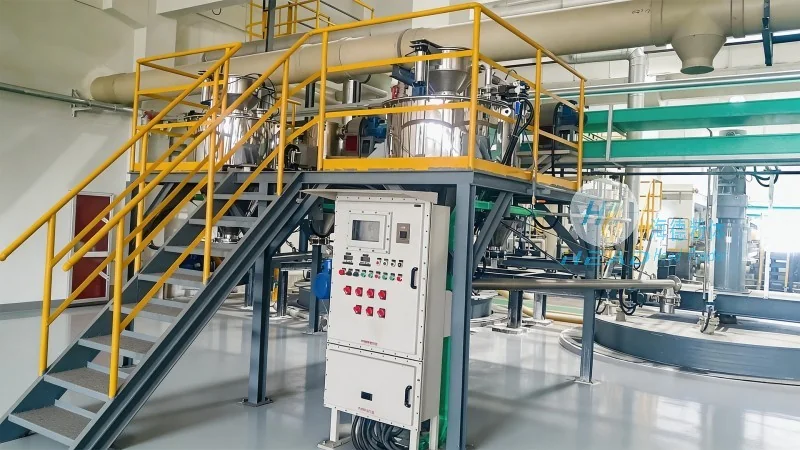
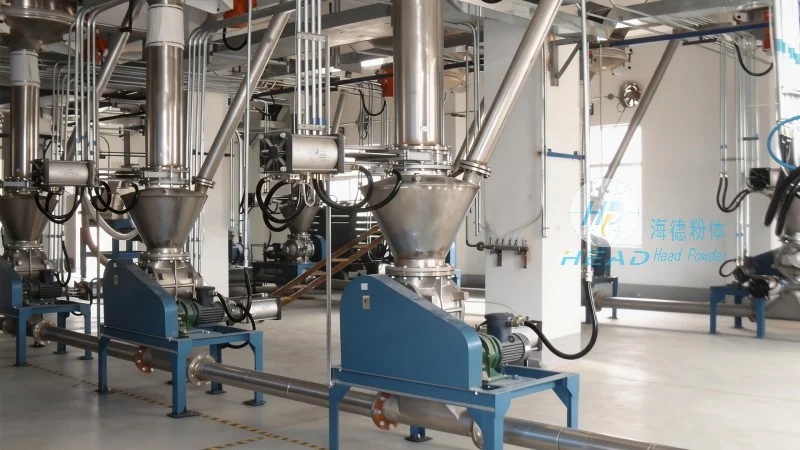
The working principle of calcium phosphate powder conveying typically relies on specialized equipment engineered to manage fine, abrasive, and often hygroscopic powders. A prevalent approach is pneumatic conveying, which utilizes air or gas to transport powder particles through a network of pipes. The process generally comprises several stages: material feeding, acceleration within the conveying line, and deposition at the destination point. In some systems, mechanical components such as rotary valves or screw conveyors are integrated to regulate flow rates and prevent clogging, particularly when dealing with cohesive or sticky powders like calcium phosphate. These mechanisms ensure consistent material movement while mitigating issues like blockages or product degradation.
Key Characteristics of Calcium Phosphate Powder Conveying Systems
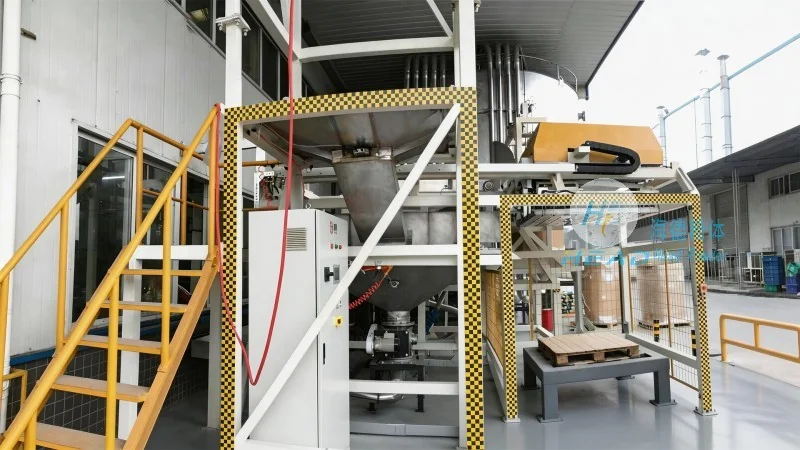
Key characteristics of calcium phosphate powder conveying systems include high efficiency, low maintenance requirements, and adaptability to varying operational conditions. These systems are designed to minimize product degradation and contamination, which is critical for applications where purity is non-negotiable, such as in pharmaceutical production. Modern solutions often incorporate advanced control technologies, enabling precise regulation of flow rates and pressure to ensure consistent performance and reduce downtime. The ability to handle a wide range of particle sizes and moisture contents further enhances their versatility, making them suitable for diverse industrial processes. Additionally, these systems contribute to improved process safety by reducing manual handling of powders and minimizing dust exposure.
Application Considerations and Operational Benefits
When implementing calcium phosphate powder conveying systems, several factors must be considered to optimize performance and ensure long-term reliability. Material properties—including particle size distribution, bulk density, and cohesive behavior—play a significant role in determining the most suitable conveying method. For instance, fine powders with high moisture content may necessitate higher air velocities or specialized equipment to prevent agglomeration. Operational considerations, such as system scalability and integration with existing production lines, are also critical. The benefits of effective powder conveying include improved process efficiency, reduced labor costs, and enhanced product quality. By minimizing material loss and ensuring consistent flow, these systems contribute to overall operational excellence in industrial settings.