

Working Principle and Features of Rapeseed Material Pneumatic Conveying Lines
For those in the agricultural processing industry, especially those dealing with rapeseed handling and transportation, understanding the efficiency and reliability of pneumatic conveying systems is crucial. This article delves into the working principle and key features of rapeseed material pneumatic conveying lines, providing insights into how these systems enhance operational efficiency and product quality.
Understanding the Working Principle of Rapeseed Material Pneumatic Conveying Lines
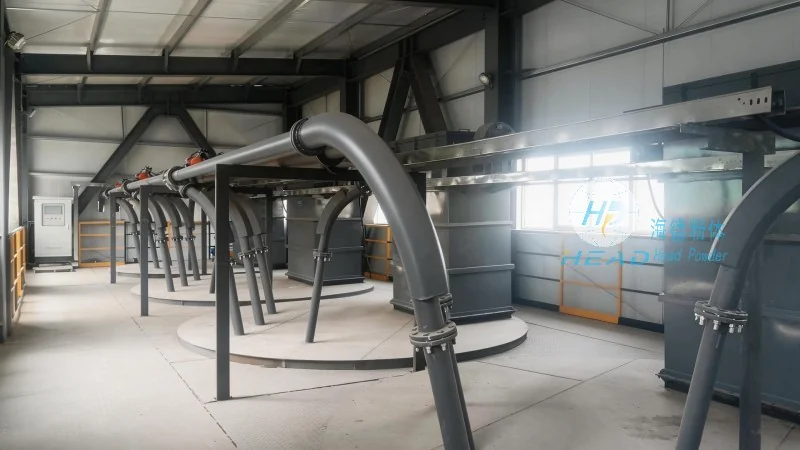
The core of a rapeseed material pneumatic conveying line lies in its ability to transport bulk materials like rapeseed through an enclosed pipeline using air pressure. The system typically operates on the principle of creating a pressure differential between the inlet and outlet of the pipeline. As air is introduced into the system, it creates a flow that pulls or pushes the rapeseed particles along the pipeline. This method eliminates the need for mechanical components such as belts or buckets, reducing maintenance and operational costs. The process begins with the rapeseed being loaded into a hopper or storage bin. From there, the material is fed into the conveying line via a rotary valve or feeder, which controls the flow rate. The air, often supplied by a positive displacement blower or a centrifugal fan, is introduced at the inlet of the pipeline. The air velocity is carefully controlled to ensure the rapeseed particles are carried along without causing excessive wear or degradation. The conveying line may include various components such as bends, filters, and silencers to manage the flow and protect the system from pressure surges or particle blockages. At the discharge end, the rapeseed is collected in a receiving hopper or storage tank, completing the transport process.
Key Features of Rapeseed Material Pneumatic Conveying Lines
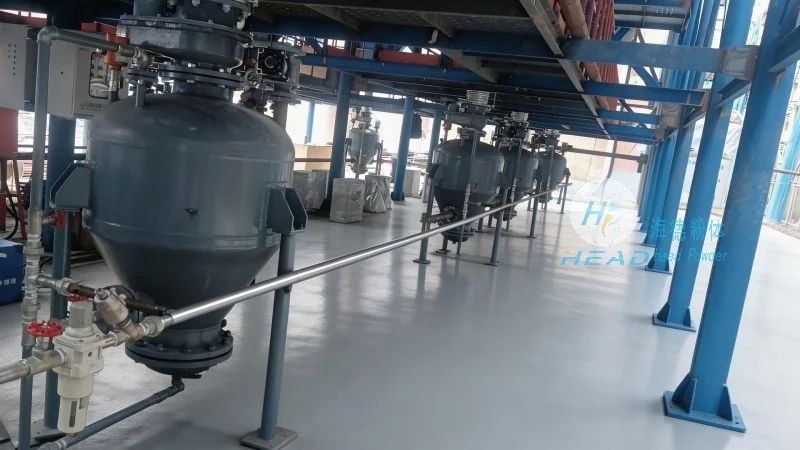
When evaluating pneumatic conveying systems for rapeseed handling, several key features stand out as critical for optimal performance. First, the system's efficiency in transporting bulk materials is significantly higher compared to traditional methods like bucket elevators or belt conveyors. The ability to move large volumes of rapeseed over long distances with minimal labor makes it a preferred choice for large-scale operations. Another notable feature is the hygienic design of the system. Since the rapeseed is enclosed within the pipeline, it is protected from contamination by dust, moisture, or other environmental factors, which is essential for maintaining product quality and meeting regulatory standards. The system also offers flexibility in terms of layout and integration with existing processing facilities. It can be customized to fit various plant layouts, allowing for easy expansion or modification as production needs change. Additionally, the low maintenance requirements of pneumatic conveying lines contribute to long-term cost savings. Unlike mechanical systems that require regular lubrication and part replacement, the pneumatic system's components are designed for durability and minimal upkeep. This reduces downtime and operational expenses, making it a cost-effective solution for long-term use. The system's ability to handle varying particle sizes and moisture content is another advantage. Rapeseed particles can vary in size and moisture levels, and the pneumatic conveying line is designed to accommodate these variations without compromising performance. This adaptability ensures consistent and reliable transport, even with fluctuating material properties.
Applications and Benefits in Rapeseed Processing
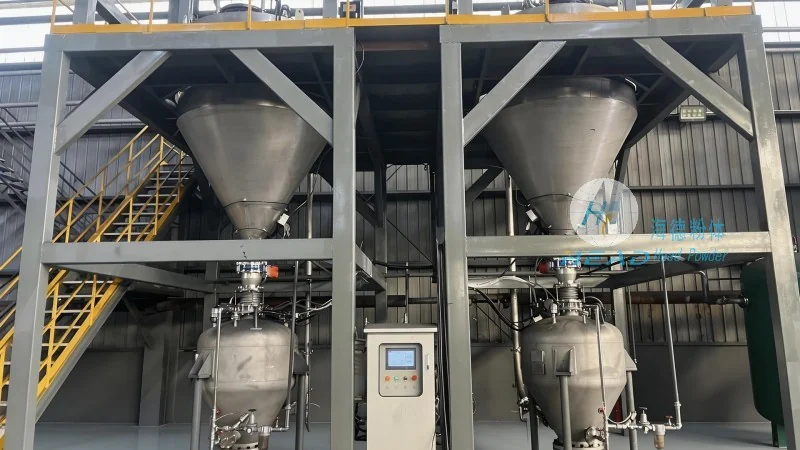
Rapeseed material pneumatic conveying lines are widely used in various stages of rapeseed processing, from initial handling to final product storage. In the initial processing stage, the system is used to transport raw rapeseed from storage bins to processing equipment such as crushers or expellers. This ensures a continuous and efficient supply of raw material, minimizing bottlenecks in the production line. During the processing stage, the system may be used to transport processed rapeseed, such as meal or oil, to storage tanks or packaging areas. The hygienic design of the system is particularly important here, as it prevents contamination of the processed products, which are often used in food or industrial applications. The benefits of using pneumatic conveying lines extend beyond just transportation. The system's ability to maintain product quality and reduce handling losses is a significant advantage. By minimizing exposure to air and moisture, the system helps preserve the nutritional value and quality of the rapeseed, which is crucial for both human consumption and animal feed. Furthermore, the system's energy efficiency contributes to lower operational costs. Compared to other transport methods, pneumatic conveying uses less energy per ton of material transported, making it an environmentally friendly and cost-effective option. The system's reliability also plays a key role in maintaining production continuity. With minimal downtime and easy maintenance, the pneumatic conveying line ensures that the processing plant can operate at optimal levels, meeting production targets and customer demands. Overall, the rapeseed material pneumatic conveying line offers a comprehensive solution for efficient and reliable rapeseed handling, combining performance, hygiene, and cost-effectiveness.