

Working Principle and Features of Pneumatic Conveying Systems for Waste Materials
Pneumatic conveying systems are critical infrastructure in modern waste management and material handling operations. These systems utilize air or gas to transport bulk materials, including waste materials, over long distances with minimal human intervention. For facilities dealing with waste processing, recycling, or disposal, an efficient and reliable pneumatic conveying line is essential to streamline operations and enhance overall productivity.
Working Principle of Waste Material Pneumatic Conveying Lines
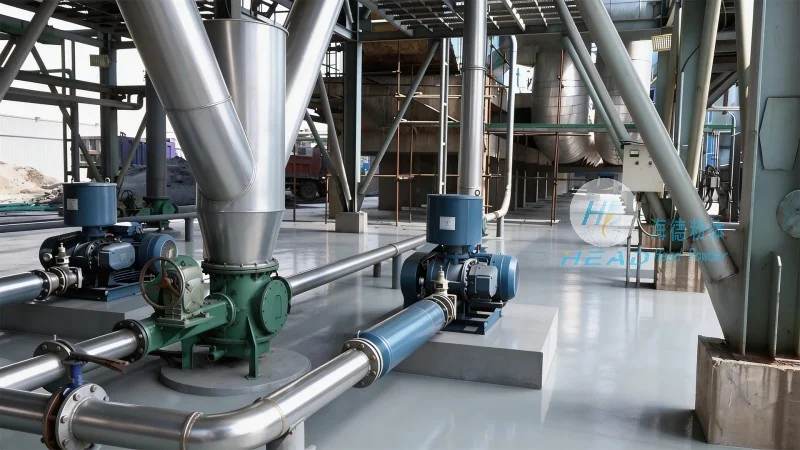
The core of a waste material pneumatic conveying line lies in its ability to move materials using air pressure. There are two primary types of pneumatic conveying systems: suction (or vacuum) and pressure systems. In suction systems, a vacuum is created at the material inlet to draw the waste material into the pipeline. The air and material mixture is then transported to the discharge point. Conversely, pressure systems use compressed air to push the material through the pipeline. Both methods rely on the principles of fluid dynamics and air flow to ensure smooth material transport.
Key components of a typical waste material pneumatic conveying line include the material hopper, air compressor (for pressure systems), air filter, material separator, and discharge outlet. The material hopper collects the waste, while the air compressor generates the necessary pressure. The air filter ensures clean air is used, preventing contamination. The material separator removes any debris or air bubbles from the material stream, ensuring consistent flow. The discharge outlet delivers the processed waste to the next stage of the waste management process.
Key Features and Advantages of Waste Material Pneumatic Conveying Systems
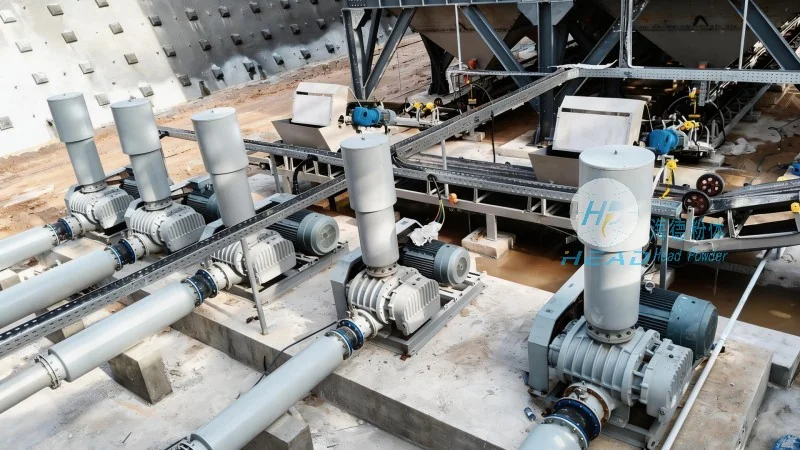
Waste material pneumatic conveying systems offer several distinct advantages that make them ideal for waste handling applications. One of the most significant features is their ability to handle a wide variety of waste materials, including dry, granular, or even some wet waste, without the need for additional processing. This versatility reduces the complexity of waste management systems and minimizes the need for multiple handling methods.
Another critical feature is the system's environmental benefits. Unlike traditional conveyor belts or trucks, pneumatic conveying systems are enclosed, which significantly reduces dust emissions and minimizes the risk of air pollution. This makes them a more sustainable and eco-friendly option for waste processing facilities. Additionally, the enclosed design helps maintain hygiene and prevents the spread of contaminants, which is particularly important in waste management where sanitation is a priority.
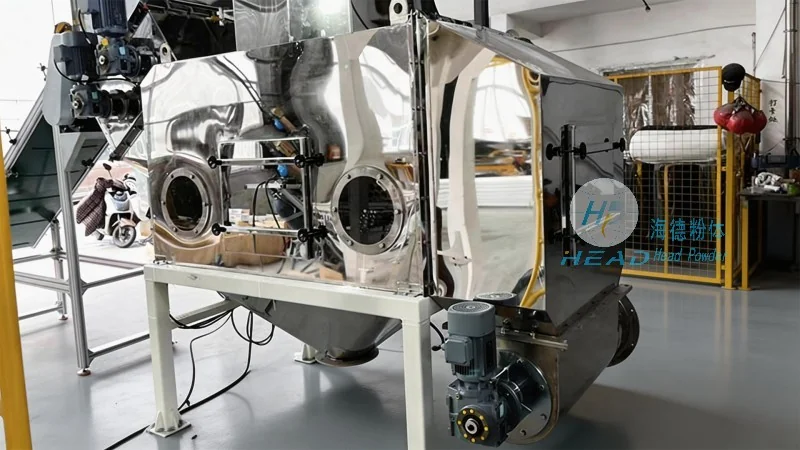
Efficiency is another standout feature of these systems. Pneumatic conveying lines can transport materials at high speeds and over long distances with minimal energy consumption compared to other methods like truck transport or belt conveyors. This efficiency translates into lower operational costs and increased throughput for waste processing facilities. The systems also require less maintenance due to their enclosed design, which reduces wear and tear on components and extends the lifespan of the equipment.
Applications in Waste Management and Material Handling
Waste material pneumatic conveying systems are widely used in various stages of the waste management lifecycle. In recycling facilities, these systems are used to transport recyclable materials from sorting stations to processing equipment. In waste-to-energy plants, they convey waste materials to the combustion chamber for energy generation. Additionally, in landfills, pneumatic conveying lines can be used to transport waste from collection points to the disposal site, improving the efficiency of waste disposal operations.
Customization and Scalability for Waste Processing Needs
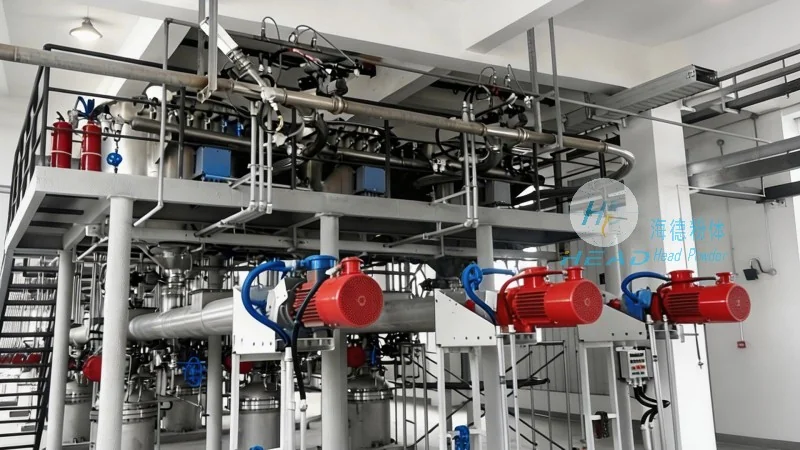
Shandong HeadPowder Engineering Co., Ltd., a leading manufacturer of pneumatic conveying systems, specializes in designing and manufacturing customized solutions tailored to the specific needs of waste management facilities. The company, based in Shandong, China, understands that each waste processing operation has unique requirements, such as varying material types, processing capacities, and operational environments. Therefore, they offer scalable systems that can be adjusted to accommodate changes in waste volume or processing requirements over time.
Customization options include different material hopper sizes, air compressor capacities, and pipeline configurations to suit the specific waste handling needs of a facility. The company also provides comprehensive support, including installation, maintenance, and technical assistance, to ensure that the pneumatic conveying system operates at peak efficiency throughout its lifespan. By partnering with Shandong HeadPowder Engineering Co., Ltd., waste management facilities can benefit from a reliable, efficient, and sustainable solution that meets their unique operational demands.