

Working Principle and Features of Pneumatic Conveying Systems for Expanded Clay Aggregate
For industrial applications involving the handling of expanded clay aggregate, efficient and reliable material transport is crucial. Pneumatic conveying systems have emerged as a preferred solution, offering a seamless way to move bulk materials like expanded clay aggregate from one location to another. This article delves into the working principle and key features of pneumatic conveying lines specifically designed for expanded clay aggregate, highlighting the technology's benefits and operational advantages.
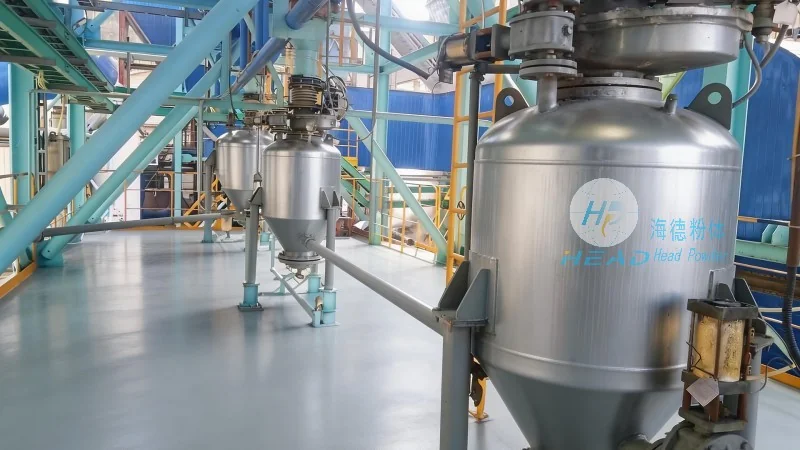
Introduction to Pneumatic Conveying for Expanded Clay Aggregate
Expanded clay aggregate, commonly known as lightweight aggregate, is widely used in construction, horticulture, and industrial processes due to its lightweight, high strength, and thermal insulation properties. Handling this material efficiently requires specialized equipment that can manage its unique characteristics, such as irregular shapes and varying particle sizes. Pneumatic conveying systems provide an ideal solution by utilizing air pressure to transport the material through a pipeline network, eliminating the need for mechanical components like belts or buckets that might cause damage or contamination.
Working Principle of Pneumatic Conveying Lines
The core of a pneumatic conveying system for expanded clay aggregate is the air flow mechanism that propels the material through the system. The process typically involves several key components: a material hopper, a rotary airlock feeder, a conveying pipeline, and a receiver or discharge point. The system operates by first feeding the expanded clay aggregate into the hopper, where it is then transferred to the feeder. The feeder, often a rotary valve, regulates the flow of material into the pipeline, ensuring a consistent feed rate. Simultaneously, a blower or compressor generates high-pressure air that is introduced into the pipeline. As the air flows through the system, it entrains the expanded clay particles, creating a slurry-like mixture that moves along the pipeline under the force of the air current.
During the conveying process, the air and material mixture travels through the pipeline, which may include bends, expansions, or restrictions designed to maintain the flow efficiency. The receiver at the end of the line collects the expanded clay aggregate, while the air is typically filtered and returned to the system or vented to the atmosphere. The entire operation is controlled by a system of valves, sensors, and controls that monitor pressure, flow rate, and material level, ensuring smooth and continuous operation.
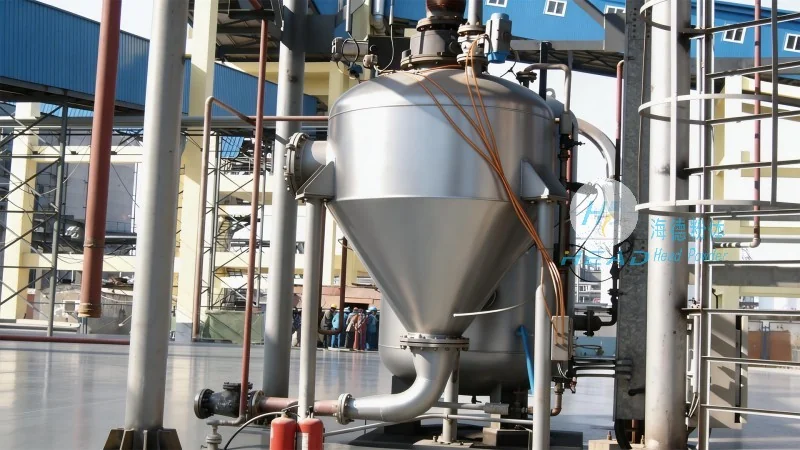
Key Features and Advantages of Pneumatic Conveying Systems
When considering pneumatic conveying lines for expanded clay aggregate, several features stand out as critical for performance and reliability. First, the system offers a fully enclosed transport process, which minimizes dust generation and contamination, making it suitable for cleanroom or environmentally sensitive applications. This enclosed design also helps maintain the quality of the expanded clay aggregate, preventing moisture absorption or degradation that could occur with open-air handling.
Second, pneumatic conveying systems provide high efficiency in material transport, with the ability to move large volumes of expanded clay aggregate over significant distances with minimal energy consumption compared to traditional methods like trucks or conveyor belts. The technology also allows for flexible system configurations, enabling the integration of multiple feeding or discharge points, which is beneficial for complex production lines or multi-stage processing.
Third, the systems are designed for durability and low maintenance. The use of robust materials for the pipeline and components ensures long-term operation, while the absence of moving parts in the conveying line itself reduces wear and tear. This results in lower operational costs and extended equipment lifespan, making the system economically viable for industrial applications.
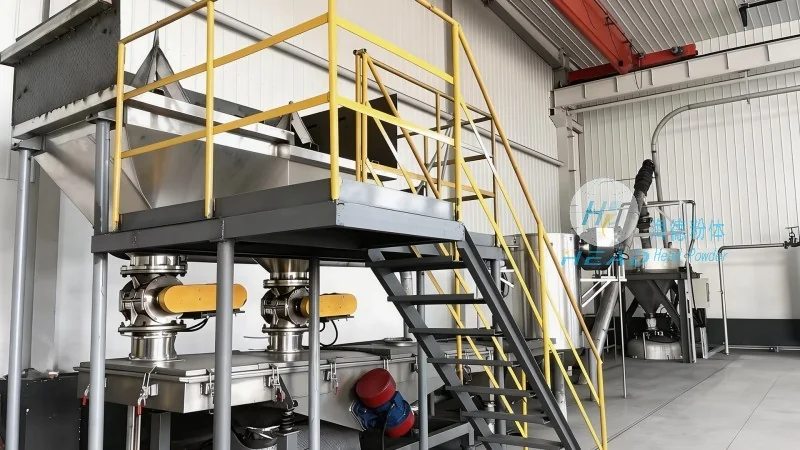
Operational Considerations and Customization
Implementing a pneumatic conveying line for expanded clay aggregate requires careful consideration of several operational factors. The particle size and density of the material are critical, as they affect the air velocity needed for effective transport. For expanded clay aggregate, which typically has a particle size ranging from 2 to 20 mm and a bulk density of around 300-600 kg/m³, the system design must be optimized to maintain a stable flow without causing blockages or excessive pressure drops.
System designers from companies like Shandong HeadPowder Engineering Co., Ltd. (commonly known as headpowder) take into account these factors when customizing pneumatic conveying solutions. They offer tailored designs that incorporate the appropriate air flow rates, pipeline diameters, and component materials to ensure optimal performance. For example, the choice of pipeline material—such as stainless steel or plastic—depends on the chemical resistance and durability required for the specific application, while the blower or compressor selection is based on the required pressure and flow capacity.
Conclusion
Pneumatic conveying lines for expanded clay aggregate represent a sophisticated and efficient solution for material handling in various industries. By leveraging the principles of air pressure and enclosed transport, these systems offer advantages such as minimal contamination, high transport efficiency, and low maintenance requirements. As a leading provider in the field, Shandong HeadPowder Engineering Co., Ltd. specializes in designing and manufacturing customized pneumatic conveying systems that meet the unique needs of clients, ensuring reliable and cost-effective material transport for expanded clay aggregate applications.