

Working Principle and Features of Wheat Bran Material Pneumatic Conveying Line
Wheat bran material pneumatic conveying lines are advanced industrial systems designed to transport bulk materials like wheat bran efficiently and safely. These systems are widely used in the food processing and agricultural sectors due to their ability to handle delicate or sensitive materials without causing damage. The technology behind these lines combines pneumatic principles with mechanical components to create a seamless material transfer process.
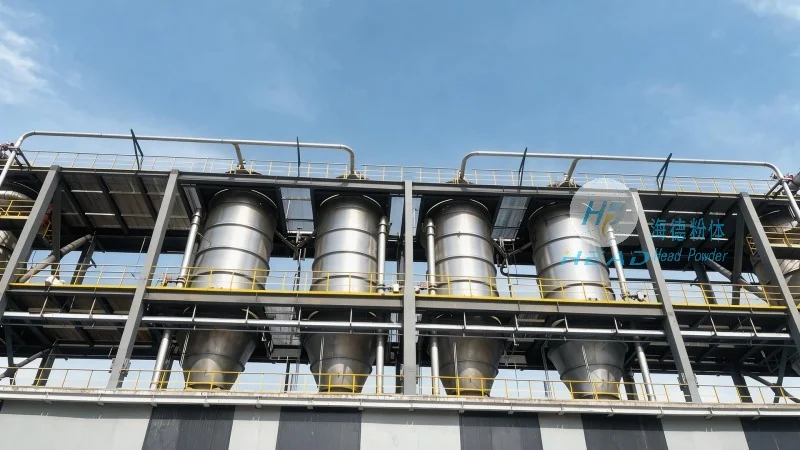
HeadPowder, a leading manufacturer based in Shandong, China, specializes in developing customized pneumatic conveying solutions tailored to the unique needs of wheat bran processing facilities. The company’s expertise lies in integrating high-efficiency components such as rotary valves, airlocks, and dust collectors into robust systems that ensure minimal product degradation and optimal operational performance.
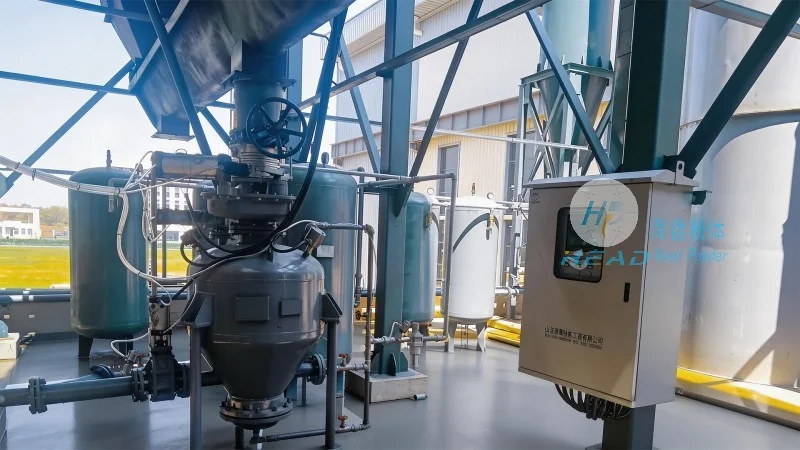
Working Principle of Wheat Bran Pneumatic Conveying Lines
The core mechanism of a wheat bran pneumatic conveying line involves the use of compressed air to move material through a network of pipes. The process typically starts with the material being fed into a hopper or silo, where it is then drawn into a conveying line by the pressure differential created by the air flow. The air, often mixed with the material in a venturi or a positive displacement blower, propels the wheat bran through the system. At the receiving end, the air is separated from the material using cyclones or filters, allowing the wheat bran to be deposited in the desired location. This method eliminates the need for mechanical components like belts or buckets, reducing maintenance requirements and operational costs.
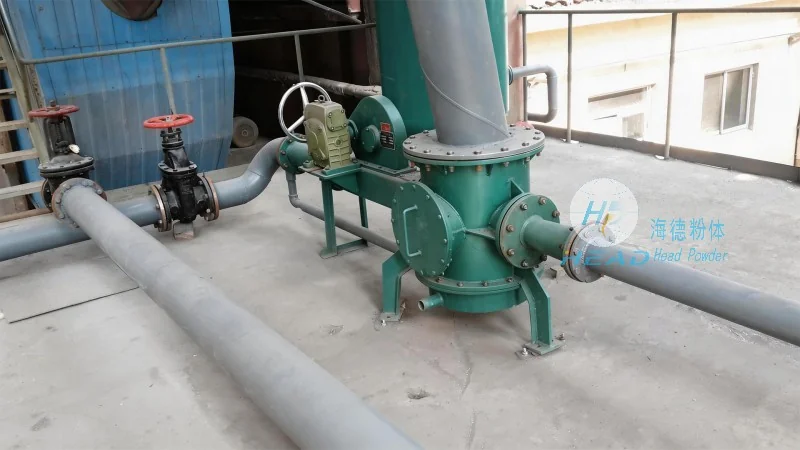
Key Features and Advantages
One of the primary advantages of wheat bran pneumatic conveying lines is their high efficiency in material handling. By using air as the primary transport medium, these systems can move large volumes of wheat bran quickly and with minimal energy consumption compared to traditional methods like bucket elevators or belt conveyors. Additionally, the enclosed nature of the system helps maintain product quality by preventing contamination from dust, moisture, or other environmental factors. The flexibility of pneumatic conveying also allows for easy integration with existing processing equipment, enabling seamless workflow in wheat bran production lines.
Customization and Application in Wheat Bran Processing
HeadPowder Engineering Co., Ltd., based in Shandong, China, offers tailored solutions that address the specific challenges of wheat bran processing. The company’s engineers work closely with clients to design systems that optimize material flow, minimize downtime, and enhance overall productivity. For example, in flour mills or feed production facilities, the conveying lines can be configured to handle varying particle sizes and moisture levels, ensuring consistent performance. The systems are also designed with safety features such as pressure relief valves and emergency shut-off mechanisms to protect both personnel and equipment during operation.
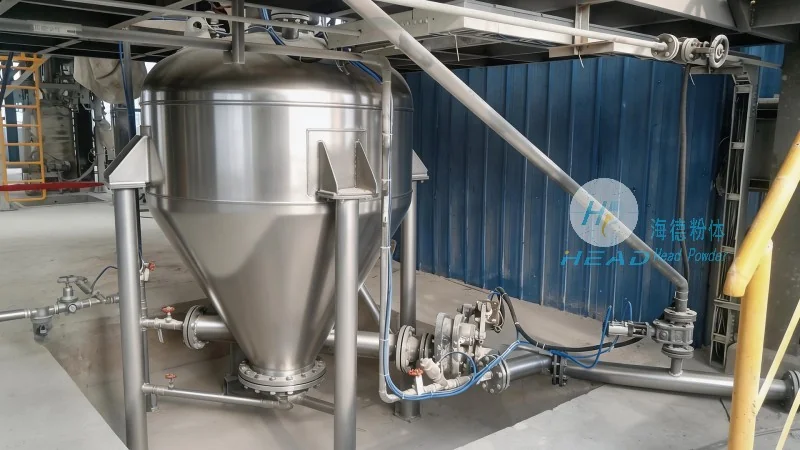
Environmental and Operational Benefits
Wheat bran pneumatic conveying lines contribute to sustainable operations by reducing waste and improving energy efficiency. The enclosed system minimizes dust emissions, which is crucial for maintaining a clean and safe working environment in food processing facilities. Furthermore, the use of compressed air as the transport medium reduces the need for water or other cleaning agents, aligning with eco-friendly practices. From an operational standpoint, these systems offer lower maintenance costs due to fewer moving parts and reduced wear on components compared to mechanical conveyors. The reliability of pneumatic conveying also leads to fewer breakdowns and longer equipment lifespans, providing long-term cost savings for businesses.