

Working Principle and Features of Industrial Salt Material Pneumatic Conveying Equipment
Industrial salt, a vital raw material in sectors such as chemical processing, food production, and de-icing, often requires efficient material handling solutions. Pneumatic conveying systems have become a preferred method for transporting industrial salt due to their ability to handle bulk materials with minimal maintenance and operational complexity. This article examines the working principle and key features of industrial salt material pneumatic conveying equipment, highlighting how such systems enhance operational efficiency and safety in industrial settings.
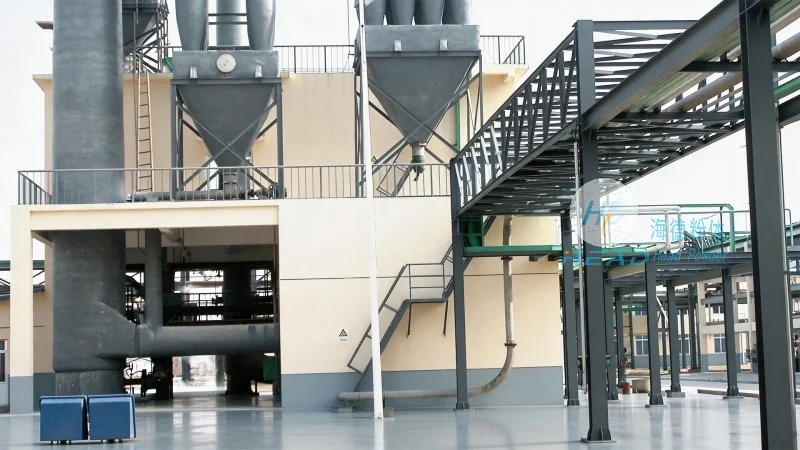
Understanding the Working Principle of Industrial Salt Pneumatic Conveying Equipment
Pneumatic conveying systems operate by utilizing air or gas to transport bulk materials through a network of pipes. For industrial salt applications, these systems typically employ either pressure or vacuum-based mechanisms to move the material from the source to the destination. The core components of a pneumatic conveying system for industrial salt include a hopper or feeder, a conveyor line, and a receiver or discharge unit. The process starts when industrial salt is fed into the hopper, where it is then introduced into the conveyor line under controlled pressure or vacuum. Air is then introduced into the system, creating a flow that propels the salt particles through the pipes. The velocity of the air and the design of the conveyor line are critical factors in ensuring efficient and uniform transport, preventing blockages and maintaining consistent flow rates.
The pressure-based pneumatic conveying system, also known as a positive pressure system, uses compressed air to push the material forward. This method is particularly effective for short to medium-distance transport and is suitable for materials with low to moderate moisture content, such as industrial salt. The system maintains a positive pressure throughout the conveyor line, ensuring continuous movement without the risk of backflow or contamination. Conversely, the vacuum-based system, or negative pressure system, uses a vacuum pump to draw the material into the conveyor line. This approach is ideal for longer distances and is often used when the material needs to be transported from multiple sources or when the destination is at a lower elevation. The vacuum system creates a negative pressure environment that pulls the salt particles into the pipes, ensuring a steady flow even with varying material loads.
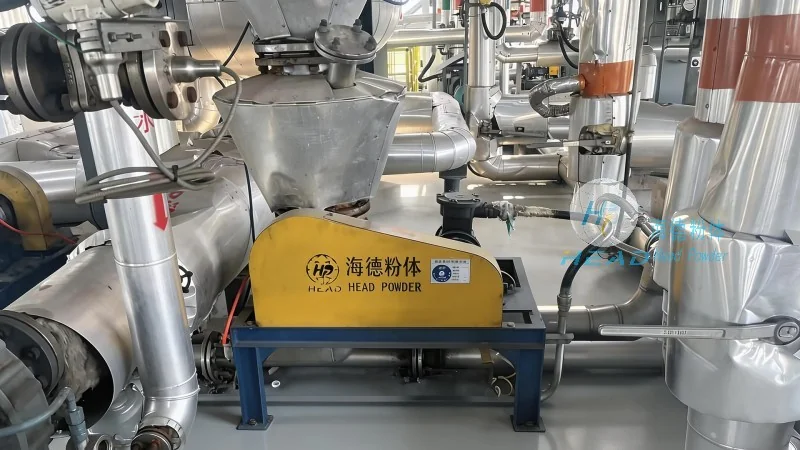
Key Features of Industrial Salt Pneumatic Conveying Equipment
The industrial salt material pneumatic conveying equipment provided by Shandong HeadPowder Engineering Co., Ltd. is engineered to meet the specific demands of industrial applications, offering several key features that enhance performance and reliability. One primary advantage is the system's ability to handle abrasive materials like industrial salt without causing excessive wear and tear on the equipment. The conveyor lines are typically constructed from high-quality materials such as stainless steel or corrosion-resistant alloys, which are resistant to the chemical properties of salt and prevent rust or degradation over time.
Another notable feature is the system's flexibility in material handling. Pneumatic conveying systems can transport industrial salt in various forms, including granules, crystals, or powdered forms, without the need for additional processing or pre-treatment. This versatility allows for seamless integration into existing production lines, reducing downtime and operational costs. The equipment also features adjustable flow rates and pressure controls, enabling operators to optimize the conveying process based on the specific requirements of the industrial salt being handled. This adaptability ensures consistent performance under different operational conditions.
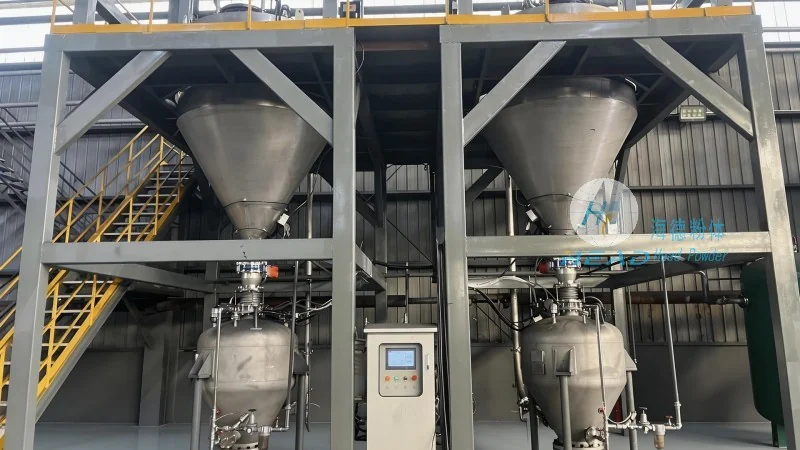
Furthermore, the industrial salt pneumatic conveying equipment is designed for minimal maintenance and long-term durability. The design incorporates easy-to-clean components and self-cleaning mechanisms that prevent material buildup and ensure consistent performance over extended periods. This reduces the need for frequent repairs and maintenance, lowering overall operational costs and increasing the system's return on investment. The system also includes safety features such as pressure relief valves and overload protection, ensuring safe operation and preventing accidents or damage to the system.
Benefits of Using Industrial Salt Pneumatic Conveying Equipment
Implementing industrial salt pneumatic conveying equipment provides numerous benefits for industrial operations. The primary advantage is the significant improvement in material handling efficiency. Unlike traditional methods such as belt conveyors or manual handling, pneumatic systems can transport large volumes of industrial salt quickly and uniformly, reducing the time and labor required for material transport. This increased efficiency translates into higher production rates and reduced operational costs, making the system a cost-effective solution for industrial salt processing.
Another key benefit is the enhanced safety and hygiene in industrial settings. Pneumatic conveying systems are enclosed, preventing dust and particles from escaping into the environment, which is crucial for maintaining a clean and safe working environment. This is particularly important in industries where industrial salt is used in food production or pharmaceutical applications, where contamination control is critical. The enclosed system also reduces the risk of dust explosions, as the material is contained within the pipes and not exposed to open air.
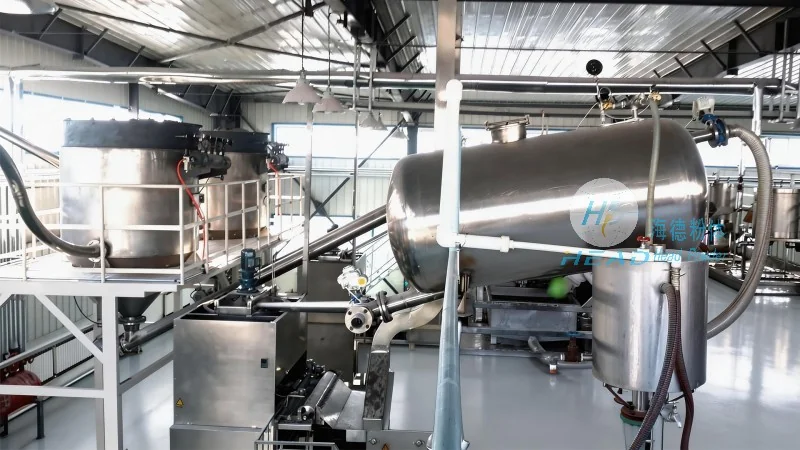
In addition, the use of pneumatic conveying equipment for industrial salt offers environmental advantages. By minimizing the need for manual handling and reducing the amount of dust and waste generated during material transport, the system contributes to a cleaner and more sustainable industrial operation. The enclosed design also helps in controlling odors and preventing the spread of airborne particles, improving overall working conditions for employees.
Conclusion
Pneumatic conveying equipment for industrial salt is a highly effective and reliable solution for material handling in various industrial applications. The working principle, which involves the use of air or gas to transport the material through a network of pipes, ensures efficient and consistent transport. The key features of such equipment, including durability, flexibility, and safety, make it an ideal choice for industrial salt processing. By leveraging the expertise of companies like Shandong HeadPowder Engineering Co., Ltd., industries can enhance their operational efficiency, reduce costs, and improve safety in their material handling processes. With its ability to handle abrasive materials and adapt to various operational conditions, pneumatic conveying equipment continues to be a preferred solution for industrial salt transportation, contributing to the overall productivity and sustainability of industrial operations.