

Working Principle and Features of Fiber Material Pneumatic Conveying Equipment
This section introduces the fundamental concepts and applications of pneumatic conveying equipment designed specifically for handling fiber materials. Fiber materials, such as wood chips, paper pulp, and textile fibers, present unique challenges in material handling due to their lightweight, irregular shapes, and tendency to agglomerate. Pneumatic conveying systems offer an efficient and flexible solution to transport these materials over short to medium distances, often within industrial processing facilities. The equipment is engineered to handle the specific physical properties of fiber materials, ensuring minimal degradation and consistent flow.
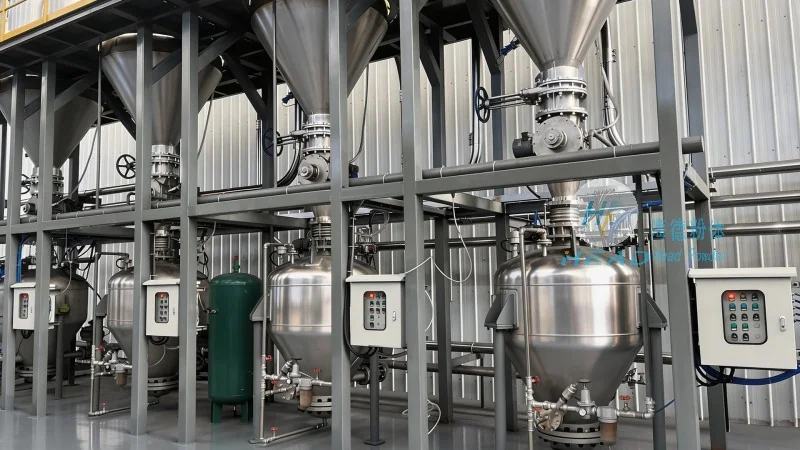
Working Principle of Pneumatic Conveying Systems for Fiber Materials
The core working principle of a fiber material pneumatic conveyor involves the use of compressed air to move material through a pipeline. The system typically consists of a hopper or feeder, a blower or air compressor, a pipeline network, and a discharge device. The process begins when fiber material is fed into the hopper. As compressed air is introduced into the pipeline, it creates a low-pressure zone that draws the material into the air stream. The air and material mixture travels through the pipeline to the discharge point, where the material is separated from the air and collected.
The air flow is carefully controlled to maintain the material in a suspended state, preventing blockages and ensuring smooth transport. For fiber materials, which are often light and prone to settling, the air velocity is optimized to keep the particles suspended without causing excessive wear on the equipment. The system may include additional components such as cyclones or filters to separate the material from the air at the discharge end, ensuring clean and efficient operation.
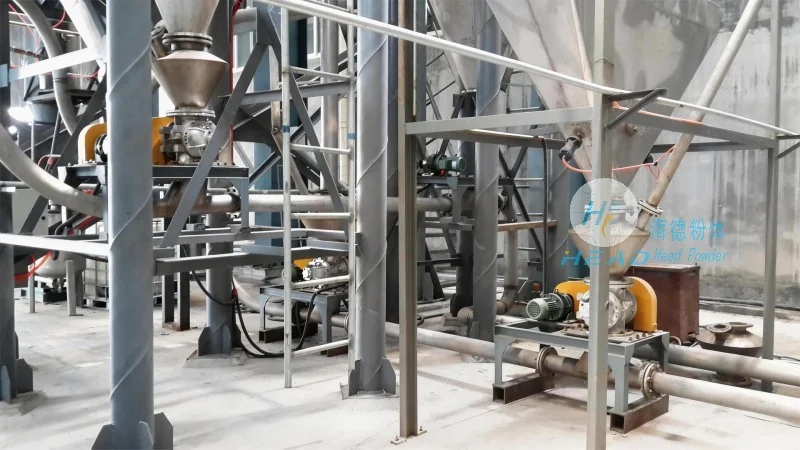
Key Features and Advantages of Fiber Material Pneumatic Conveyors
Fiber material pneumatic conveyors from Shandong HeadPowder Engineering Co., Ltd. (headpowder) are designed with several key features that enhance performance and reliability. One of the primary advantages is the ability to handle a wide range of fiber materials, including wood chips, paper pulp, and synthetic fibers, with minimal adjustments to the system. The equipment is built with durable materials, such as stainless steel or corrosion-resistant alloys, to withstand the abrasive nature of fiber materials and the effects of moisture.
Another significant feature is the system's flexibility in terms of layout and distance. Pneumatic conveyors can be configured to transport materials over short distances within a processing plant or over longer distances between different facilities. The modular design allows for easy expansion or reconfiguration as production needs change. Additionally, the system operates with low noise levels and minimal maintenance requirements, contributing to a safer and more efficient industrial environment.
Technical Considerations and Applications
When selecting a fiber material pneumatic conveyor, several technical considerations must be taken into account. The air flow rate and pressure must be matched to the specific characteristics of the fiber material, including particle size, density, and moisture content. For example, lighter and more fibrous materials may require higher air velocities to maintain suspension. The pipeline diameter and length also impact the system's performance, as longer or larger diameter pipelines may need higher air pressure to maintain efficient transport.
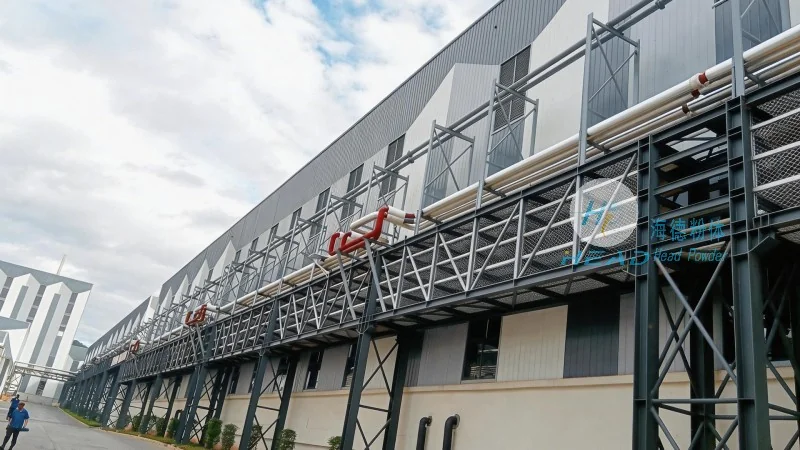
Applications of fiber material pneumatic conveyors include material handling in paper mills, wood processing plants, and textile manufacturing facilities. In paper mills, the equipment is used to transport wood chips from storage to the pulping process, ensuring a consistent supply of raw material. In wood processing plants, it facilitates the movement of sawdust and wood chips from the cutting area to storage or further processing. In textile mills, the system handles synthetic fibers and other materials, supporting the production of yarn and fabric.
In conclusion, fiber material pneumatic conveyors from Shandong HeadPowder Engineering Co., Ltd. provide an efficient and reliable solution for handling fiber materials in various industrial applications. The working principle, combined with key features and technical considerations, ensures that these systems meet the demands of modern material processing while maintaining high performance and durability.