

Principle and Application Scenarios of Pea Pneumatic Conveying
Pea pneumatic conveying is a specialized method used in the agricultural and food processing industries to transport pea seeds or processed pea products efficiently. This technology leverages air pressure to move materials through a pipeline system, offering advantages such as reduced contamination, improved hygiene, and enhanced operational flexibility. As a key component in modern pea processing facilities, understanding the underlying principles and practical applications of this system is crucial for optimizing production processes and maintaining product quality. The expertise in such systems is provided by companies like Shandong HeadPowder Engineering Co., Ltd., a leading provider of pneumatic conveying solutions tailored for agricultural products.
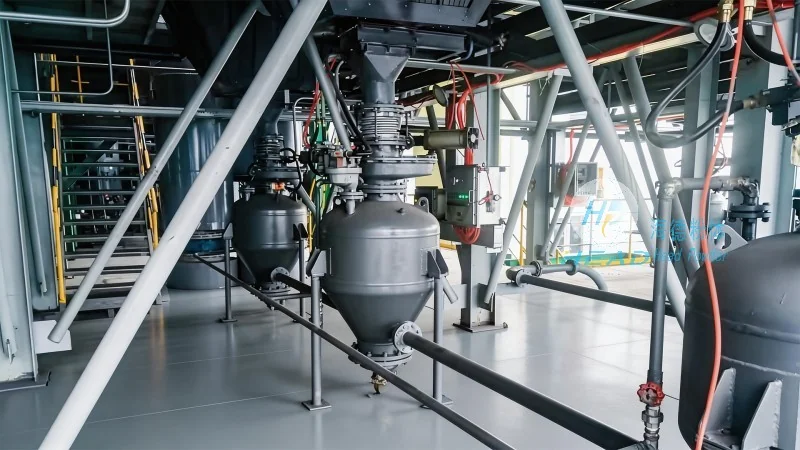
The Core Principle of Pneumatic Conveying for Peas
The fundamental principle of pea pneumatic conveying involves the use of compressed air to create a flow that propels pea particles through a sealed pipeline. The system typically consists of a hopper, a blower or air compressor, a conveying line, and a discharge point. When the air is introduced into the hopper, it creates a low-pressure zone that draws the pea material into the pipeline. The air velocity is carefully controlled to ensure that the peas are carried without excessive wear or damage. This method is particularly effective for handling delicate pea products, as it minimizes mechanical stress compared to traditional belt or bucket conveyors.
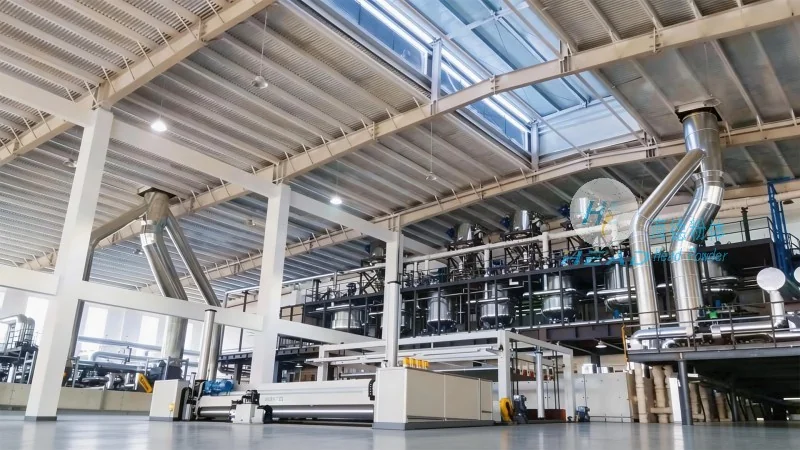
Key Components and Their Functions in a Pea Pneumatic Conveying System
Several critical components work in tandem to ensure the smooth operation of a pea pneumatic conveying system. The hopper serves as the storage and feeding unit, where pea material is loaded and prepared for transport. The blower or air compressor generates the necessary air pressure and volume to drive the conveying process. The conveying line, usually made of durable materials like stainless steel or PVC, transports the peas from the hopper to the discharge point. Additionally, filters and cyclones are often incorporated to separate the peas from the air stream, ensuring that the air is cleaned and the product remains uncontaminated. Each component is designed to withstand the specific demands of pea handling, including moisture content and particle size variations.
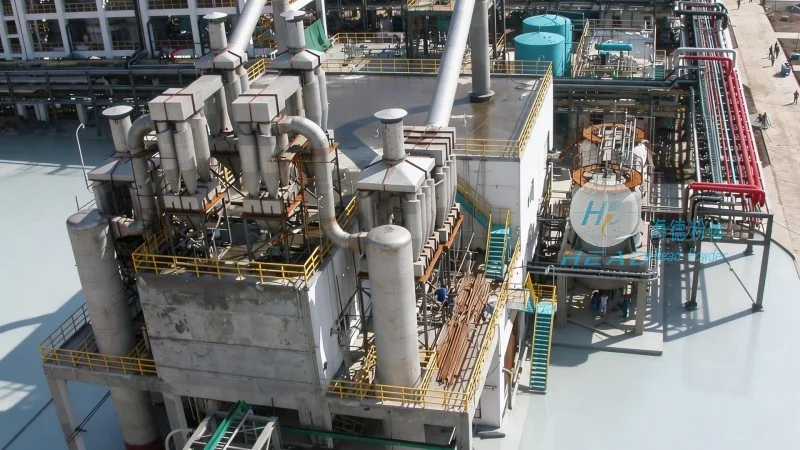
Advantages of Pea Pneumatic Conveying in Industrial Applications
Compared to traditional mechanical conveying methods, pea pneumatic conveying offers several distinct advantages. First, it provides a hygienic and clean environment, which is essential for food processing applications where contamination control is paramount. The sealed pipeline system prevents dust, pests, and external contaminants from entering the product stream. Second, it enhances operational efficiency by reducing downtime and labor costs associated with manual handling. The automated system can handle large volumes of peas with minimal human intervention. Third, it offers flexibility in terms of layout and integration with other processing equipment. The pipeline can be easily reconfigured or extended to accommodate changes in production scale or facility design. These benefits make pneumatic conveying a preferred choice for modern pea processing plants seeking to improve productivity and product safety.
Common Working Scenarios and Use Cases
Pea pneumatic conveying systems are widely applied in various stages of pea processing and handling. One common scenario is the transfer of raw pea seeds from storage silos to processing lines, such as cleaning, sorting, or grading machines. The system efficiently moves the seeds without the need for manual loading, ensuring a consistent flow of material. Another application is the transport of processed pea products, such as split peas or pea flour, from grinding or milling equipment to packaging units. In these cases, the pneumatic system maintains the product's quality by minimizing exposure to air and potential contaminants. Additionally, the technology is used in bulk handling operations, where large quantities of peas are moved between different parts of a processing facility, such as from the receiving area to the storage silos or from the production line to the shipping warehouse. Each scenario leverages the efficiency and hygiene of pneumatic conveying to streamline operations and meet the demands of modern food processing.
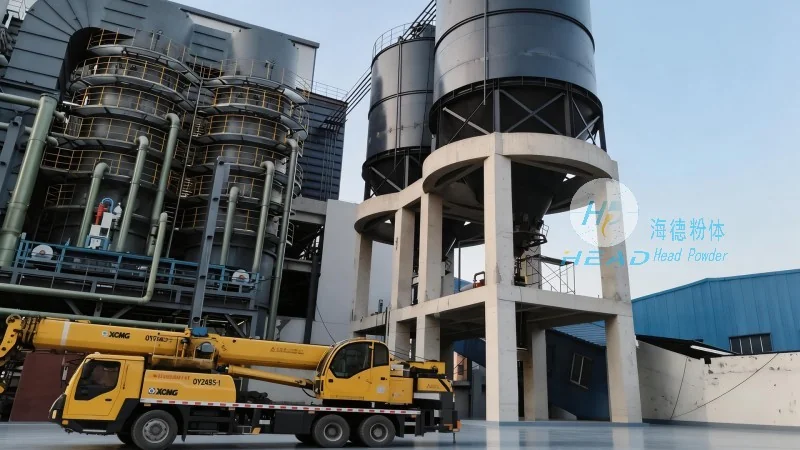
Considerations for Design and Implementation
When designing a pea pneumatic conveying system, several factors must be carefully considered to ensure optimal performance and longevity. The first consideration is the particle size and moisture content of the peas, as these characteristics affect the air velocity required for effective transport. Larger or more moist peas may require higher air pressure to maintain a stable flow. Second, the system's layout and the distance between the hopper and discharge point are critical. Longer conveying distances may necessitate additional blower power or intermediate booster units to maintain sufficient air pressure. Third, material compatibility is important, as the conveying line and components must be resistant to the chemical properties of peas, including potential acids or enzymes that could cause corrosion or degradation over time. Proper maintenance, including regular cleaning and inspection of filters and cyclones, is also essential to prevent system blockages and ensure consistent operation. By addressing these considerations, manufacturers can design a pneumatic conveying system that meets the specific needs of their pea processing operations.