

Principles and Application Scenarios of Synthetic Fiber Pneumatic Conveying
For industries dealing with synthetic fibers, efficient material handling is crucial to maintaining production efficiency and product quality. Synthetic fiber pneumatic conveying systems offer a versatile and effective solution for transporting these materials. This article explores the fundamental principles behind synthetic fiber pneumatic conveying and highlights key application scenarios where these systems excel.
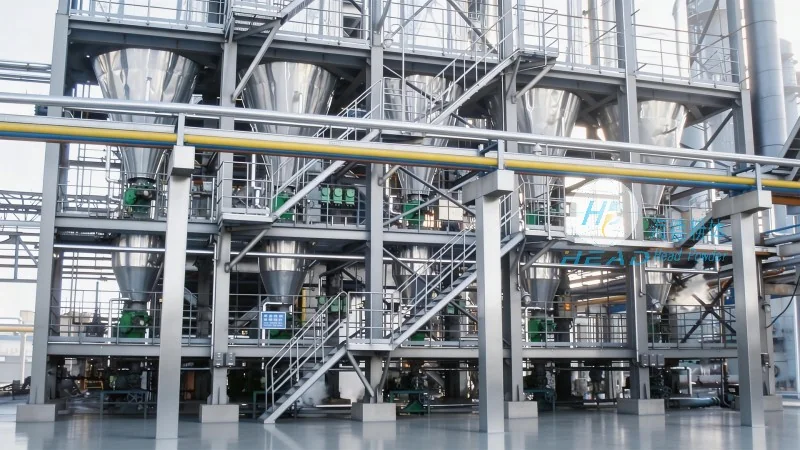
Understanding Synthetic Fiber Pneumatic Conveying: Core Principles
Synthetic fiber pneumatic conveying operates on the principle of using compressed air to move material through a pipeline. Unlike traditional mechanical systems, this method relies on air pressure to create a flow of material, which can be particularly advantageous for delicate or abrasive synthetic fibers. The system typically consists of a hopper, a blower or compressor, a pipeline network, and a discharge point. The process begins when material is fed into the hopper, where it is then drawn into the pipeline by the airflow generated by the blower. As the air flows through the system, it carries the synthetic fibers along, ensuring a smooth and continuous transfer from the source to the destination.
One of the key advantages of synthetic fiber pneumatic conveying is its ability to handle a wide range of fiber types, including polyester, nylon, and acrylic. These fibers often require gentle handling to prevent breakage or damage, and the air-based system provides just that. The low friction and impact forces within the pipeline minimize fiber degradation, making it ideal for applications where product integrity is paramount. Additionally, the system can be designed to handle both dry and slightly moist fibers, providing flexibility in material processing.
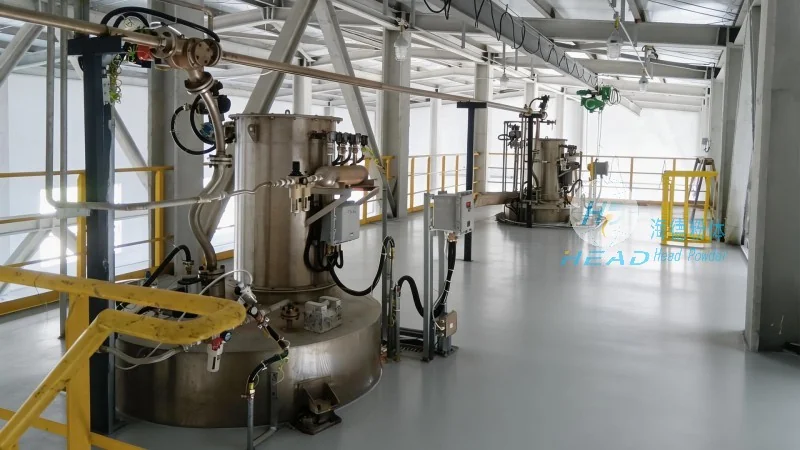
Key Application Scenarios for Synthetic Fiber Pneumatic Conveying
Synthetic fiber pneumatic conveying systems are widely used in various industrial settings, each leveraging the system's unique capabilities to enhance operational efficiency. For instance, in textile manufacturing, these systems are commonly employed to transport raw fibers from storage silos to processing machines. The ability to move fibers in a controlled manner ensures consistent feed rates, which is critical for maintaining the quality of yarn and fabric production. In addition, the systems are used in the production of nonwoven fabrics, where uniform distribution of fibers is essential for achieving the desired texture and strength.
In the chemical and polymer industries, synthetic fiber pneumatic conveying is utilized for transporting polymer powders and fibers used in the manufacturing of synthetic textiles and industrial fabrics. The systems can handle abrasive or corrosive materials, making them suitable for environments where other conveying methods may fail. Furthermore, in the packaging and material handling sectors, these systems are employed to move synthetic fibers used in the production of insulation materials, filtration media, and other industrial products. The ability to handle bulk materials efficiently reduces labor costs and improves overall production throughput.
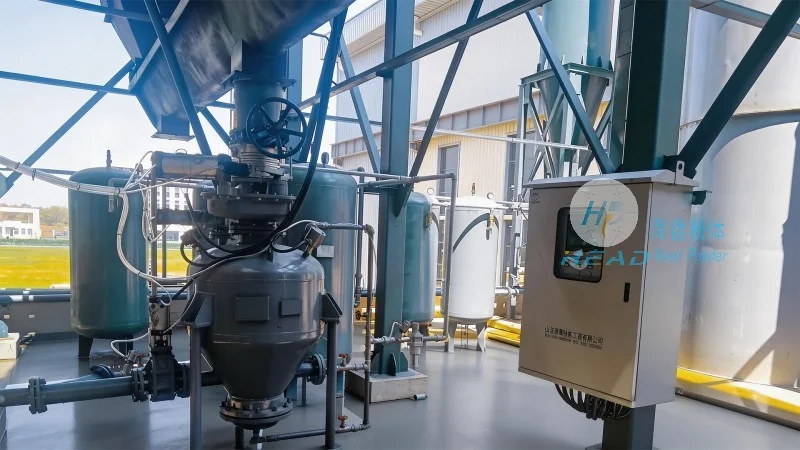
Benefits and Considerations in Synthetic Fiber Pneumatic Conveying
Implementing synthetic fiber pneumatic conveying offers several benefits, including reduced equipment wear and tear compared to mechanical systems, as there are no moving parts in direct contact with the material. This results in lower maintenance costs and longer equipment lifespan. Additionally, the systems are relatively compact and can be easily integrated into existing production lines, minimizing the need for extensive facility modifications. However, it is important to consider factors such as air pressure requirements, pipeline design, and material compatibility when selecting a system. Proper system sizing and maintenance are crucial to ensure optimal performance and prevent issues like blockages or air leaks.
As a leading provider in the field, Shandong HeadPowder Engineering Co., Ltd. specializes in designing and manufacturing synthetic fiber pneumatic conveying systems tailored to the specific needs of various industries. With years of experience and a commitment to quality, the company offers customized solutions that enhance operational efficiency and product quality. HeadPowder's expertise in material handling technology ensures that clients receive systems that are reliable, efficient, and durable, supporting their long-term business goals.