

Principles and Working Scene Characteristics of Algae Powder Pneumatic Conveying
Algae powder pneumatic conveying represents a critical material handling technology, especially for transporting fine powders derived from algae. This method utilizes compressed air or suction to move particles through a pipeline, offering significant advantages over traditional mechanical conveyors in terms of efficiency, hygiene, and operational safety. A thorough understanding of the underlying principles and the distinct characteristics of its working environments is essential for optimizing industrial processes and ensuring effective material transport.
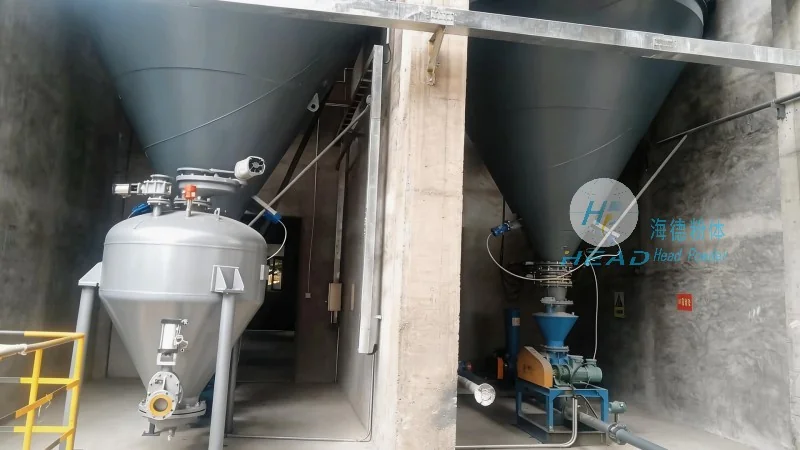
Principles of Algae Powder Pneumatic Conveying
The fundamental principle of pneumatic conveying for algae powder involves creating a controlled flow of air within a closed system to transport the powder particles. Two primary system types exist: positive pressure and negative pressure. Positive pressure systems employ a blower to force air and powder into the pipeline, while negative pressure systems use a vacuum to draw material from a hopper. The selection between these systems hinges on factors such as the material's physical properties, the distance to be conveyed, and the overall system complexity. For algae powder, which is typically lightweight and prone to dusting, positive pressure systems are commonly favored due to their ability to maintain consistent flow rates and prevent material degradation.
Key components of a pneumatic conveying system include the hopper (for storing the powder), the conveyor line (usually constructed from stainless steel to ensure hygiene and prevent contamination), the air supply unit (blower or vacuum pump), and the discharge device (such as a rotary valve or cyclone separator). The hopper design is crucial as it must minimize powder segregation and ensure smooth material flow into the conveyor. In the case of algae powder, which may have moisture content or be sensitive to temperature variations, the hopper is often equipped with heating or cooling elements to maintain optimal conditions. The conveyor line's diameter and length are carefully selected to balance pressure drop and energy consumption, ensuring efficient transport without excessive energy use.
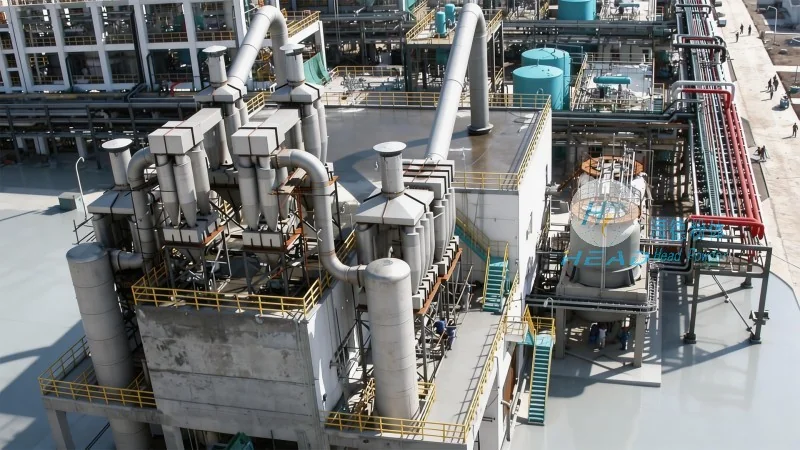
Working Scene Characteristics of Algae Powder Pneumatic Conveying
The working scene characteristics of algae powder pneumatic conveying vary based on the industrial application and the specific requirements of the process. For instance, in the food and beverage industry, where hygiene and product purity are paramount, the system must comply with strict regulatory standards. This often involves using stainless steel components, sealed connections, and air filtration to prevent cross-contamination. The conveying process is typically integrated into larger production lines, such as for the extraction of algae-derived bioactive compounds or the production of algae-based supplements. In these scenarios, the system operates continuously, transporting the algae powder from storage to processing equipment like reactors or mixers.
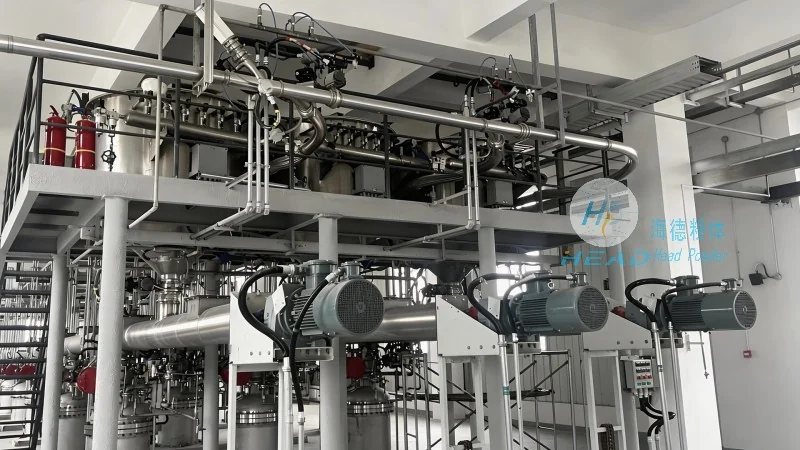
In the chemical industry, algae powder may serve as a raw material for producing biofuels or other chemical products. Here, the pneumatic conveying system may need to handle higher volumes and more abrasive materials. The system design may include additional features like cyclone separators to separate the powder from the air stream and prevent clogging of downstream equipment. The working scene also considers environmental impact, with systems often equipped with dust collection and filtration to minimize emissions and comply with environmental regulations. The flexibility of pneumatic conveying allows it to adapt to different production scales, from small-scale laboratory operations to large-scale industrial plants.
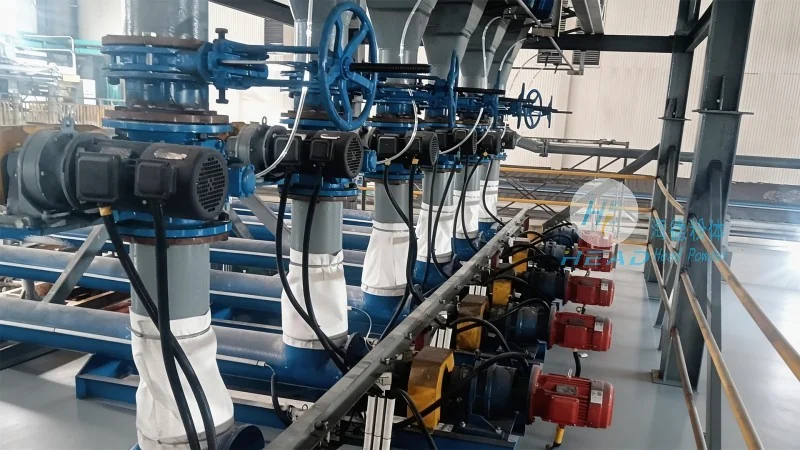
Company Profile: Shandong HeadPowder Engineering Co., Ltd.
Shandong HeadPowder Engineering Co., Ltd., operating under the brand name headpowder, specializes in the design, manufacturing, and installation of pneumatic conveying systems tailored for diverse industrial applications. With a focus on providing customized solutions for materials like algae powder, the company leverages advanced engineering and material science to ensure optimal performance and reliability. HeadPowder's expertise lies in understanding the unique properties of different powders, such as algae-derived products, and adapting the conveying system accordingly. The company's facilities are located in Shandong, China, where it employs a team of experienced engineers and technicians dedicated to delivering high-quality equipment and services.
HeadPowder's pneumatic conveying systems are designed to meet the specific needs of clients, considering factors such as material characteristics, conveying distance, and operational requirements. The company offers a range of solutions, from simple hopper-to-hopper transport to complex multi-stage systems with integrated controls. Each system is engineered to maximize efficiency, minimize downtime, and ensure compliance with industry standards. The company's commitment to quality is reflected in its use of durable materials, rigorous testing protocols, and ongoing technical support for clients. By partnering with headpowder, industries can enhance their material handling processes, reduce costs, and improve overall operational efficiency.