

Principle and Working Scene Characteristics of Barium Carbonate Pneumatic Conveying Systems
Barium carbonate, a critical chemical compound utilized in various industrial sectors including pharmaceuticals, ceramics, and chemical manufacturing, often requires specialized transportation methods to ensure efficiency and safety. The pneumatic conveying system for barium carbonate is a sophisticated solution that leverages air or gas to transport this material through a pipeline. This system is designed to handle the unique properties of barium carbonate, such as its fine particle size and potential for dust generation, while maintaining high levels of material integrity and operational reliability. The purpose of this article is to delve into the fundamental principles of these systems and to explore the distinct characteristics of their operational environments, providing a comprehensive understanding for professionals in the field. As a leading provider in the field, Shandong HeadPowder Engineering Co., Ltd. specializes in designing and implementing such systems tailored to the specific needs of industrial applications.
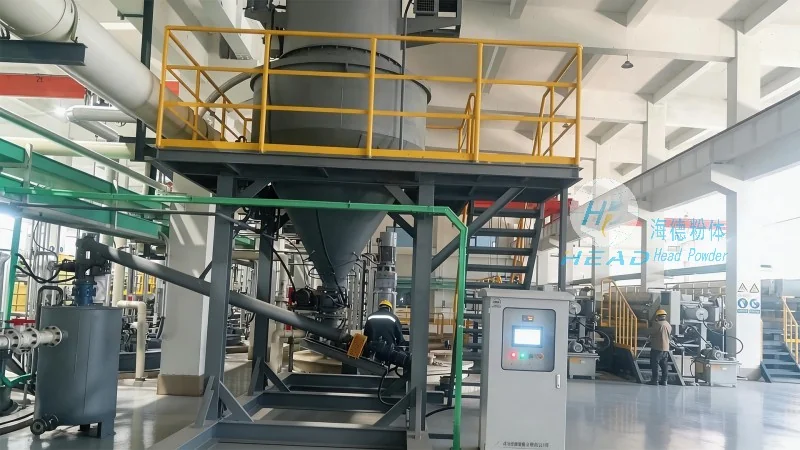
Core Principles of Pneumatic Conveying for Barium Carbonate
The pneumatic conveying system operates on the principle of using the kinetic energy of moving air or gas to transport solid materials. Unlike mechanical conveying methods like belt or screw conveyors, which rely on physical contact and friction, pneumatic systems use the flow of gas to move the material. The process typically begins with a feeding device that introduces the barium carbonate into the system. This can be a rotary valve, a screw feeder, or a hopper with a controlled discharge mechanism. The material is then entrained by the gas flow, which is generated by a compressor (for positive pressure systems) or a vacuum pump (for negative pressure systems). The system's design, including the type of air flow, the pipeline diameter, and the length of the conveying line, is carefully engineered to match the material's characteristics. For barium carbonate, which is often a fine powder with a relatively low bulk density, the system must be optimized to prevent clogging and ensure consistent flow. The principles of fluid dynamics and particle motion are central to the design, as they dictate how the material behaves within the gas stream.
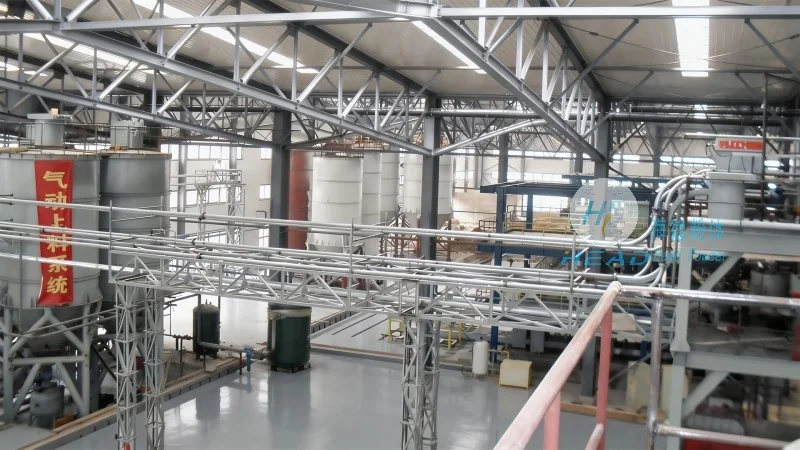
Key Components and Their Functions in the System
A barium carbonate pneumatic conveying system comprises several essential components, each playing a critical role in the overall operation. The feeding mechanism is the first component, responsible for introducing the material into the pipeline. For barium carbonate, which is a fine powder, a rotary valve or a screw feeder is commonly used to provide a controlled and consistent feed rate. These devices help maintain a steady flow, preventing overloading or underloading of the system. The second key component is the air compressor or vacuum pump, which generates the necessary pressure or suction to move the material. The choice between positive and negative pressure systems depends on the application and the distance the material needs to be conveyed. Positive pressure systems are often used for short to medium distances, while negative pressure systems are suitable for longer distances or when the material needs to be transported from a higher elevation. The pipeline itself is another critical component, typically made of stainless steel or corrosion-resistant plastic, to withstand the chemical properties of barium carbonate and prevent degradation. The pipeline design includes bends, elbows, and straight sections, which are optimized to minimize pressure drop and prevent particle accumulation. Additionally, the system may include a filter or separator to remove excess air or fine particles, ensuring the material reaches its destination in a clean and usable state. This component is essential for maintaining the purity of the material and preventing clogging in downstream equipment.
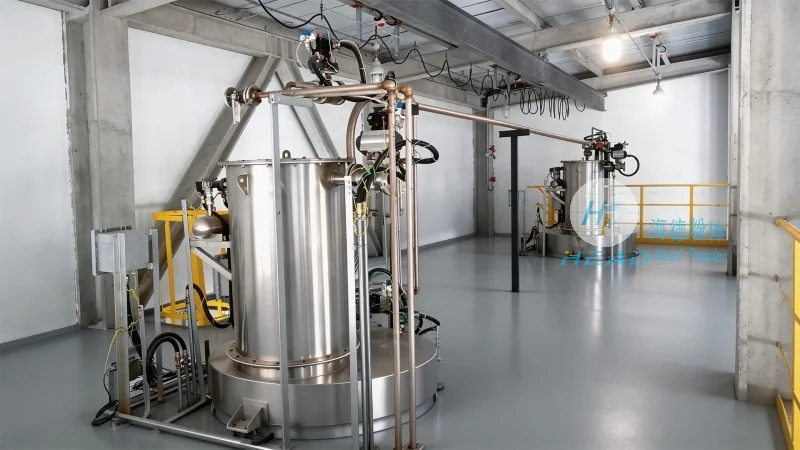
Working Scene Characteristics: Operational Environments and Applications
The operational environment of a barium carbonate pneumatic conveying system varies significantly based on the specific industry and application. In the pharmaceutical industry, for example, the system must meet stringent standards for cleanliness and material purity, as barium carbonate is used in the production of certain medications. The system is designed to minimize dust generation and ensure that the material remains free from contaminants. In the ceramics industry, barium carbonate is used as a flux to lower the melting point of clay, and the conveying system must be robust enough to handle abrasive particles and high volumes. The working scene also includes considerations such as the integration of the system with existing production lines, the need for minimal downtime during maintenance, and compliance with safety regulations. The system's performance is also influenced by the ambient conditions, such as temperature and humidity, which can affect the material's flow characteristics. For instance, in humid environments, the material may become sticky, requiring additional drying or anti-caking agents to maintain its flowability. The characteristics of the working scene directly impact the design and selection of the pneumatic conveying system, ensuring it is tailored to the specific needs of the application.
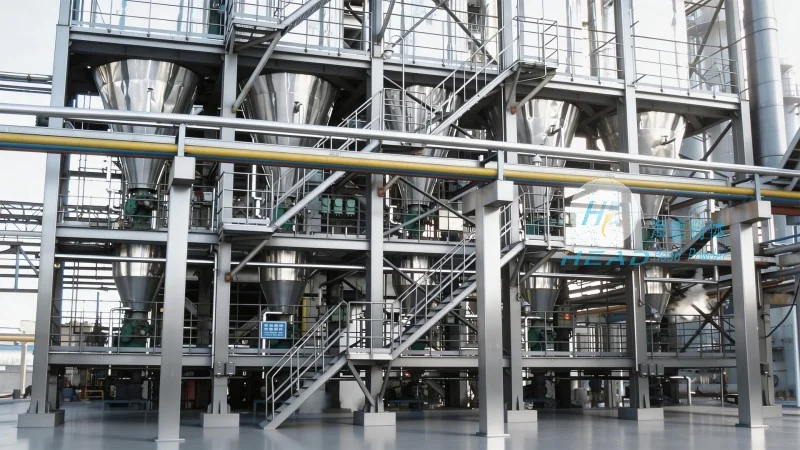
Advantages and Considerations in Real-World Applications
Implementing a barium carbonate pneumatic conveying system offers several advantages that make it a preferred choice for many industries. One of the primary benefits is the reduction in material loss, as the system minimizes spillage and dust generation compared to traditional methods. This not only improves efficiency but also enhances safety by reducing the risk of inhalation or environmental contamination. Another advantage is the improved process control, as the system allows for precise dosing and consistent flow rates, which is crucial for maintaining product quality. The system also reduces the need for manual handling, thereby minimizing labor costs and the risk of workplace injuries. However, there are also considerations to keep in mind when implementing such a system. The initial investment cost can be higher compared to mechanical conveying systems, and the system requires regular maintenance to prevent blockages or wear. The system's efficiency is highly dependent on the proper sizing of the pipeline, the air flow rate, and the feeding mechanism. Additionally, the system must be designed to handle the specific properties of barium carbonate, such as its particle size and density, to ensure optimal performance. Proper training for operators and regular system checks are essential to maintain the system's reliability and avoid operational issues. In summary, the barium carbonate pneumatic conveying system is a versatile and effective solution for material handling, offering significant benefits while requiring careful consideration of the application's specific requirements.