

Principle and Working Scene Characteristics of Pneumatic Conveying Lines in Dust Extraction Stations
HeadPowder, a leading engineering firm based in Shandong, China, specializes in the design and implementation of advanced pneumatic conveying systems tailored for dust extraction stations. These systems are critical components in industrial settings where efficient material handling and dust management are paramount. The core of such systems lies in the principle of using air pressure to transport bulk materials, often fine powders or granules, from one location to another within a dust extraction facility.
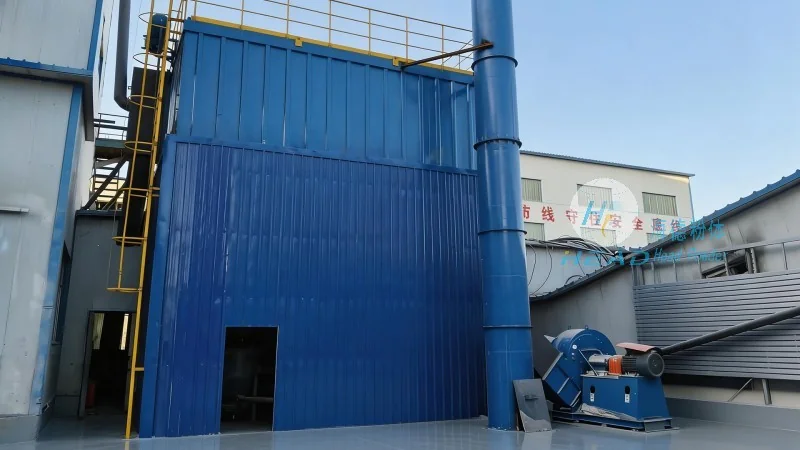
Principle of Pneumatic Conveying in Dust Extraction Stations
The fundamental principle behind pneumatic conveying lines in dust extraction stations involves the creation of a controlled airflow that propels particulate materials through a pipeline network. This method typically operates under either positive pressure (pressure conveying) or negative pressure (vacuum conveying), depending on the specific requirements of the dust extraction process. In positive pressure systems, compressed air is introduced at the material inlet, while in negative pressure systems, a vacuum is created at the discharge end. The choice between these two modes depends on factors such as material properties, distance to be conveyed, and the need to minimize dust leakage or environmental impact.
Key components of a typical pneumatic conveying line include the material feed hopper, which holds the bulk material; the air compressor or vacuum pump, which generates the necessary pressure or vacuum; the conveying pipeline, often made of corrosion-resistant materials like stainless steel to handle abrasive or moisture-sensitive powders; and the control valves and regulators that manage the flow and pressure of the air. The system also incorporates dust filters and cyclones to separate the conveyed material from the air stream, ensuring that the extracted dust is properly collected and the air is cleaned before release into the environment.
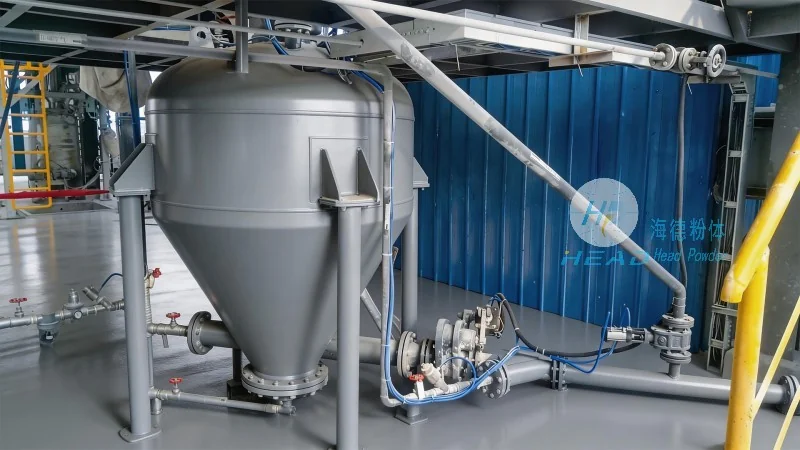
Working Scene Characteristics of Pneumatic Conveying Lines in Dust Extraction Stations
The working scene characteristics of pneumatic conveying lines in dust extraction stations are shaped by the specific operational demands of industrial processes. These systems are commonly found in environments such as cement plants, mining operations, and chemical manufacturing facilities, where large volumes of fine powders need to be transported between processing units, storage silos, or waste treatment areas.
One of the primary characteristics is the ability to handle high volumes of material with minimal human intervention. Pneumatic conveying lines can transport materials over significant distances—ranging from a few meters to several hundred meters—while maintaining consistent flow rates and preventing material degradation. This makes them ideal for applications where continuous operation is essential, such as in continuous production lines where downtime can lead to significant losses.
Another key characteristic is the flexibility in material handling. Pneumatic conveying systems can accommodate a wide range of material types, including dry powders, granules, and even moist or sticky materials, provided the system is properly designed to handle their specific properties. For example, in dust extraction stations, materials like cement, fly ash, or metal powders are commonly conveyed using these systems, each requiring tailored equipment to ensure efficient transport without clogging or degradation.
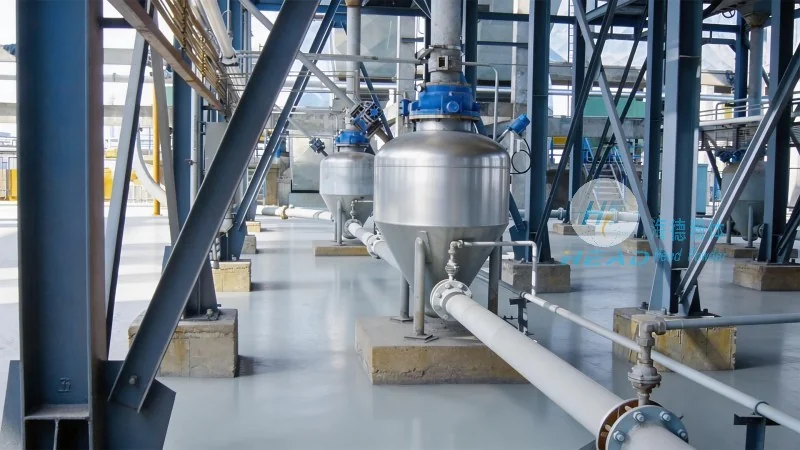
The working scene also emphasizes safety and environmental compliance. Pneumatic conveying lines are designed to minimize dust emissions and prevent contamination of the surrounding environment. The use of sealed pipelines and efficient filtration systems ensures that only clean air is released, reducing the risk of respiratory hazards for workers and complying with environmental regulations. Additionally, the systems are often equipped with safety features such as pressure relief valves and emergency shut-off mechanisms to prevent accidents during operation.
Operational efficiency is another critical characteristic. Pneumatic conveying lines are known for their low maintenance requirements compared to traditional mechanical conveyor systems. The absence of moving parts in the pipeline (except for the air compressor or vacuum pump) reduces the risk of mechanical failure and simplifies maintenance tasks. This leads to lower operational costs and higher uptime, making them a cost-effective solution for long-term material handling in dust extraction stations.