

Principle and Working Scene Characteristics of Plug Flow Pneumatic Conveying Systems
HeadPowder, a leading engineering company based in Shandong, China, specializes in the design and implementation of advanced material handling solutions. This article delves into the fundamental principles of plug flow pneumatic conveying systems, a technology widely used in various industrial applications for efficient bulk material transport. By understanding the mechanics and operational scenarios of this system, industries can optimize their material handling processes, enhance productivity, and reduce operational costs.
Understanding Plug Flow Pneumatic Conveying Systems
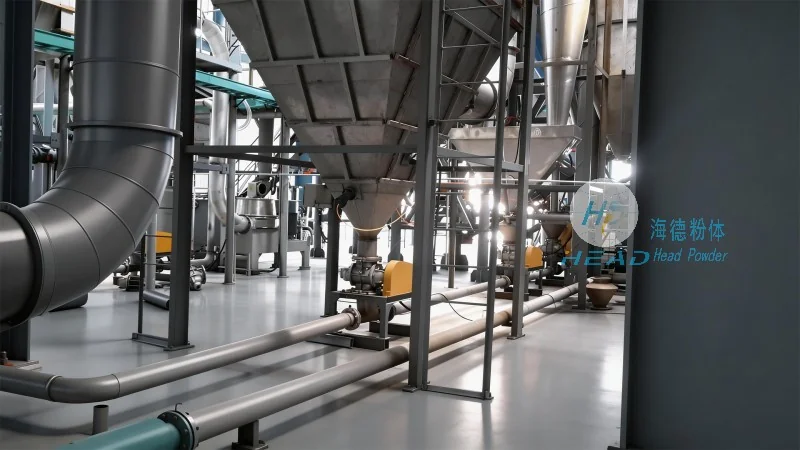
Plug flow pneumatic conveying systems operate on the principle of creating a series of discrete, solid plugs that move through a pipeline under controlled air pressure. Unlike other pneumatic conveying methods that rely on continuous or dilute phase flow, plug flow systems maintain a distinct separation between the conveyed material and the air, ensuring minimal product degradation and consistent flow characteristics. The system typically consists of a hopper for material storage, a feeder to control the discharge rate, a conveying pipeline, and a receiver for the delivered material. The air is introduced at specific points along the pipeline, creating pressure differentials that propel the plugs forward. This method is particularly effective for handling fine powders, granules, and other bulk materials that are prone to segregation or degradation under high-speed air flow.
Key Working Principles
The core of plug flow pneumatic conveying lies in the generation and movement of material plugs. Each plug is a compact, solid column of material that moves as a single unit. The air pressure is applied in a pulsating manner, creating a pressure wave that pushes the plug forward. The system maintains a constant pressure gradient along the pipeline, ensuring that the plugs move at a steady velocity without excessive turbulence or product mixing. This controlled flow minimizes the risk of material attrition, caking, or agglomeration, which are common issues in traditional pneumatic conveying systems. The feeder plays a critical role in controlling the plug formation rate, as it determines the frequency and size of the material plugs. Proper feeder selection and adjustment are essential for achieving optimal plug flow and preventing system blockages or air leaks.
Typical Working Scenarios
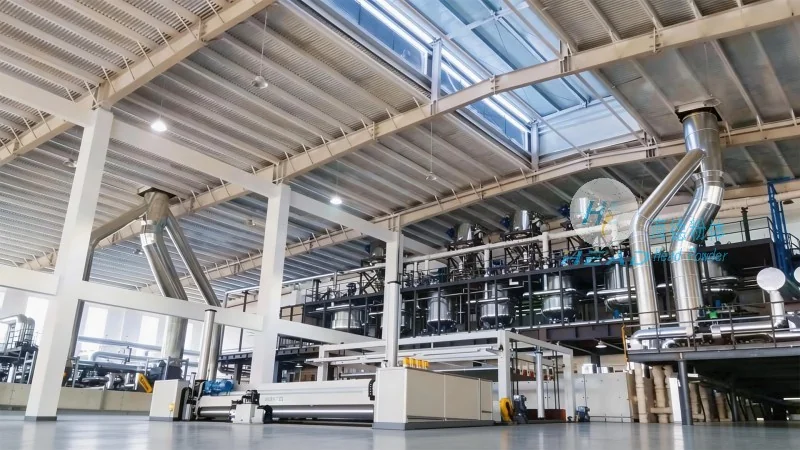
Plug flow pneumatic conveying systems are widely employed in diverse industrial sectors, including pharmaceuticals, food processing, chemical manufacturing, and mining. In pharmaceutical applications, these systems are used to transport sensitive powders, such as active pharmaceutical ingredients (APIs) and excipients, with strict contamination control measures. The plug flow design ensures that the material remains intact and free from cross-contamination, meeting the stringent regulatory requirements of the pharmaceutical industry. In food processing, plug flow systems are utilized for handling dry ingredients like flour, sugar, and spices, maintaining product quality and preventing moisture absorption or oxidation. The controlled air flow minimizes product degradation and extends shelf life, making it ideal for food-grade applications. Chemical manufacturers benefit from plug flow systems when handling reactive or hazardous powders, as the system provides a safe and enclosed environment that prevents dust explosions and material exposure. Mining and mineral processing industries use plug flow pneumatic conveying to transport raw materials from processing plants to storage facilities or for further processing, improving operational efficiency and reducing labor costs.
Advantages and Applications
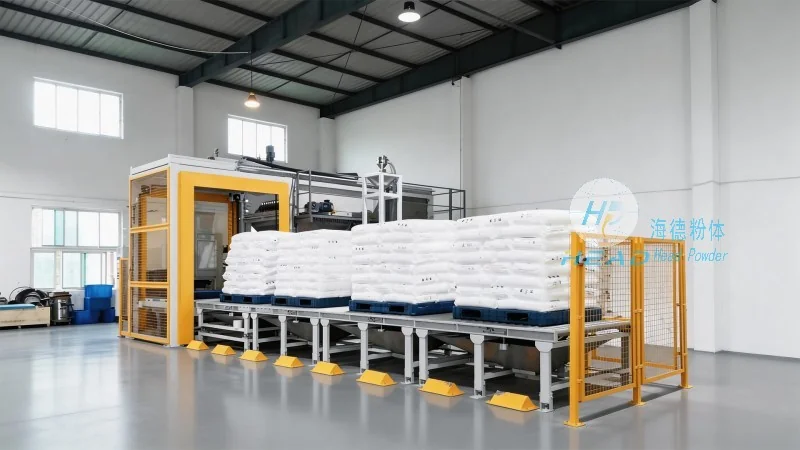
Plug flow pneumatic conveying systems offer several advantages over other material handling methods. The primary benefit is the ability to handle a wide range of materials, including fine powders and abrasive particles, without causing significant wear or damage to the equipment. The system is also highly flexible, allowing for changes in material type or flow rate without major modifications. Additionally, plug flow systems are energy-efficient compared to other pneumatic conveying methods, as they require lower air velocities and pressures to achieve the same material transport distances. This results in reduced energy consumption and lower operational costs. The enclosed design of the system minimizes dust emissions and improves workplace safety, making it suitable for environments where dust control is critical. In terms of applications, plug flow systems are particularly well-suited for long-distance material transport, as the plug formation maintains the material's integrity over extended pipelines. They are also effective for vertical or inclined transport, as the pressure differentials can be adjusted to accommodate various elevation changes. Industries that require precise control over material flow, such as in pharmaceutical and food processing, find plug flow systems to be a reliable and efficient solution.
Conclusion
Plug flow pneumatic conveying systems represent a sophisticated and efficient method for bulk material transport, offering numerous benefits in terms of product quality, operational efficiency, and safety. HeadPowder, with its expertise in engineering and material handling solutions, provides comprehensive services for the design, installation, and maintenance of plug flow pneumatic conveying systems. By leveraging the principles of plug flow technology, industries can optimize their material handling processes, enhance productivity, and ensure compliance with industry standards. The continued development and application of plug flow systems will likely play a significant role in the future of industrial material handling, as companies strive to improve operational efficiency and sustainability.