

Principle and Working Scene Characteristics of Zircon Sand Pneumatic Conveying Equipment
Zircon sand, a critical raw material in the production of ceramics, refractory materials, and other industrial products, requires efficient and reliable handling systems to ensure quality and process consistency. Pneumatic conveying equipment has emerged as a preferred solution for transporting zircon sand due to its ability to handle fine powders and granular materials with minimal dust generation and high operational efficiency. This article explores the fundamental principles of zircon sand pneumatic conveying machines, along with their typical working scenarios and key characteristics that make them suitable for various industrial applications.
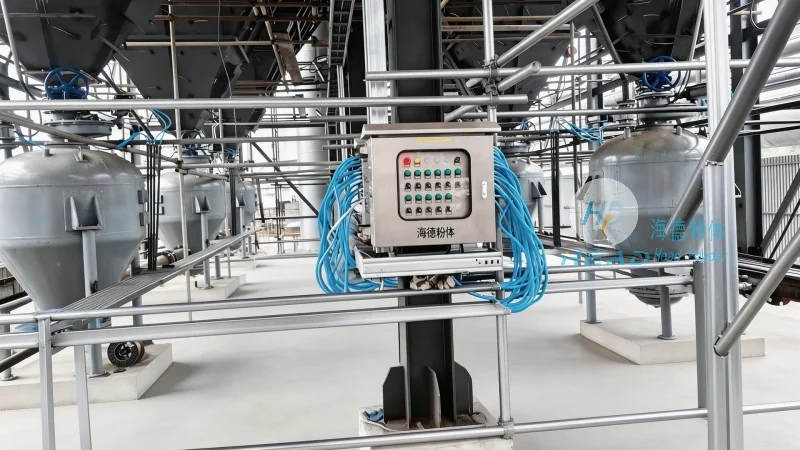
Introduction to Zircon Sand Pneumatic Conveying Equipment
Zircon sand, characterized by its high zirconium oxide content and abrasive properties, poses unique challenges during material handling. Traditional methods like belt conveyors or bucket elevators may suffer from material degradation, high maintenance costs, and significant dust emissions. Pneumatic conveying systems offer a more sophisticated approach by utilizing air pressure to transport materials in a closed or semi-closed system. This technology is particularly advantageous for zircon sand processing, as it minimizes contamination, reduces energy consumption, and enhances safety in handling abrasive powders.
Working Principle of Pneumatic Conveying Systems
Pneumatic conveying systems operate on the principle of using air flow to move solid materials. There are two primary types: suction (or vacuum) systems and pressure systems. Suction systems generate a negative pressure at the material inlet to draw the material into the conveying line, while pressure systems use positive pressure to push the material through the system. For zircon sand, both types can be employed depending on the distance, elevation change, and material characteristics. The choice between the two often depends on factors such as the required conveying distance, the need for dust control, and the overall system complexity.
In a typical suction system, a vacuum pump creates a low-pressure environment at the inlet, causing the zircon sand to be drawn into the pipeline along with the air. The material is then transported to the discharge point, where the air is separated from the sand through a cyclone or filter. Pressure systems, on the other hand, use a blower or compressor to generate high-pressure air that forces the zircon sand through the pipeline. The air is then separated from the material at the discharge end, often using a venturi or a separator. Both systems are designed to maintain the integrity of the zircon sand particles, preventing breakage or agglomeration during transport.
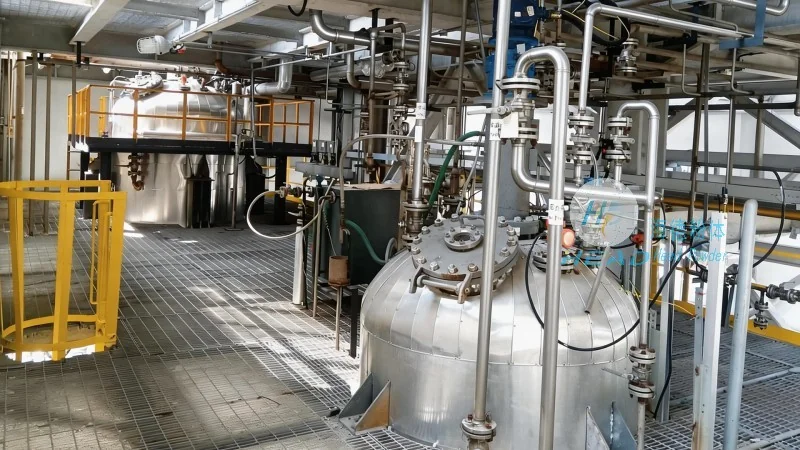
Key Features and Advantages in Zircon Sand Processing
Zircon sand pneumatic conveying machines are equipped with several features that enhance their performance in processing applications. These include adjustable air flow rates to control the conveying speed, which is crucial for maintaining the quality of the zircon sand. The systems also feature robust material handling components, such as high-quality stainless steel or wear-resistant materials, to withstand the abrasive nature of zircon sand. Additionally, advanced control systems allow for real-time monitoring of the conveying process, enabling operators to adjust parameters dynamically and optimize efficiency.
One of the most significant advantages of pneumatic conveying for zircon sand is its ability to minimize dust exposure. Unlike mechanical conveyors, which can generate large amounts of airborne dust, pneumatic systems operate in a closed or semi-closed environment, reducing the risk of respiratory hazards and environmental contamination. This is particularly important in industrial settings where worker safety and regulatory compliance are paramount. Furthermore, the systems are highly flexible, allowing for changes in the conveying route or capacity without major modifications to the infrastructure.
Typical Working Scenarios and Applications
Zircon sand pneumatic conveying equipment is widely used in various stages of the zircon sand processing industry. In mining operations, the equipment is employed to transport raw zircon sand from the extraction site to processing facilities, often over long distances and varying elevations. The ability to handle abrasive materials and maintain particle integrity makes it ideal for this application. In the processing plant, the system can be used to convey zircon sand from storage silos to grinding mills, or from classifiers to packaging units. The flexibility of the system allows it to integrate seamlessly with existing production lines, improving overall workflow efficiency.
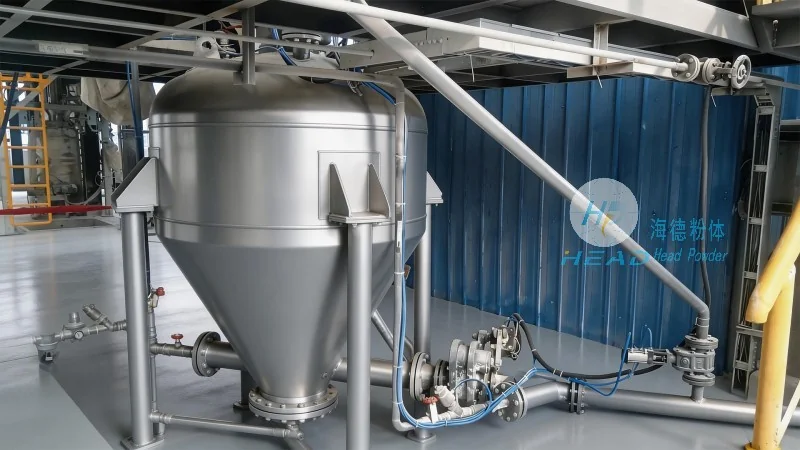
Another common application is in the blending and mixing of zircon sand with other raw materials, such as silica or feldspar, to create custom formulations for specific end products. Pneumatic conveying ensures that the materials are mixed uniformly, preventing segregation and ensuring consistent product quality. Additionally, the system can be used in quality control processes, where zircon sand is conveyed to testing equipment for particle size analysis or chemical composition evaluation.
Company Profile: Shandong HeadPowder Engineering Co., Ltd.
Shandong HeadPowder Engineering Co., Ltd., a leading manufacturer of pneumatic conveying equipment, specializes in providing customized solutions for the handling of zircon sand and other fine materials. With a focus on innovation and quality, the company has developed advanced systems that meet the demanding requirements of the zircon sand processing industry. HeadPowder's equipment is designed to deliver high efficiency, reliability, and durability, ensuring that customers can achieve optimal performance in their operations. The company's commitment to customer satisfaction and technical support has made it a trusted partner for many industrial clients in China and beyond.
HeadPowder's facilities are located in Shandong, China, where the company leverages local expertise and resources to develop cutting-edge pneumatic conveying technologies. The company's team of engineers and technicians work closely with clients to understand their specific needs and design systems that are tailored to their processes. This approach ensures that the equipment not only meets but exceeds industry standards, providing long-term value and operational benefits.