

Principle and Working Scene Characteristics of Polyethylene Resin Powder Pneumatic Conveying Equipme
For industrial applications involving the handling of polyethylene resin powders, efficient and reliable material transport is crucial. This article explores the fundamental principles and operational characteristics of pneumatic conveying systems designed for polyethylene resin powders, with a focus on the technical aspects and practical applications in industrial settings. The information presented is based on the expertise of Shandong HeadPowder Engineering Co., Ltd., a leading provider in the field.
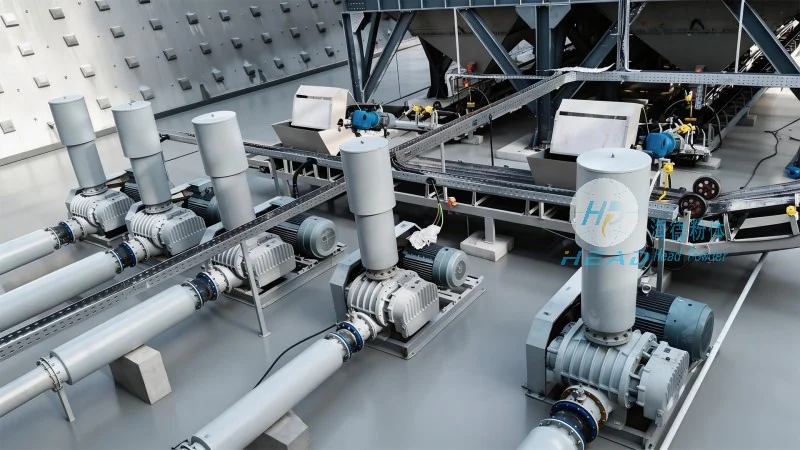
Principle of Pneumatic Conveying for Polyethylene Resin Powders
Pneumatic conveying systems utilize air or other gases to transport solid materials like polyethylene resin powders through a pipeline. The core principle involves creating a pressure differential that moves the material from the source to the destination. There are two main types of pneumatic conveying: pressure and vacuum systems. In pressure systems, a positive pressure is maintained throughout the conveying line, often using a blower or compressor at the discharge end. Vacuum systems, on the other hand, create a negative pressure at the intake point, drawing the material into the pipeline. For polyethylene resin powders, which are typically fine and can be prone to dusting, the choice of system depends on factors such as material properties, distance, and required flow rate. The design of the system, including the type of airlock, cyclone separator, and material handling components, is critical to ensure efficient and clean transport. The system must also consider the potential for material degradation or agglomeration, which can affect the conveying performance and product quality.
Working Scene Characteristics of Polyethylene Resin Powder Pneumatic Conveying Equipment
The application of polyethylene resin powder pneumatic conveying equipment varies across different industrial sectors, each with unique requirements and operational conditions. In the plastics manufacturing industry, these systems are commonly used for transporting raw polyethylene resin from storage silos to processing lines, ensuring a continuous and controlled feed for extrusion or molding operations. The equipment is also utilized in polymer compounding facilities, where additives are mixed with the resin powder before further processing. Another key application is in the packaging and film production sector, where the resin powder is conveyed to extrusion lines for film production. The working scene characteristics include high-volume material handling, often requiring systems with high throughput capacity, and the need for precise control over material flow to maintain product consistency. Additionally, the systems must be designed to handle the specific properties of polyethylene resin powders, such as their fine particle size and potential for static charge buildup, which can affect material flow and system efficiency. The operational environment, including temperature and humidity control, is also important to prevent material degradation and ensure the longevity of the conveying equipment.
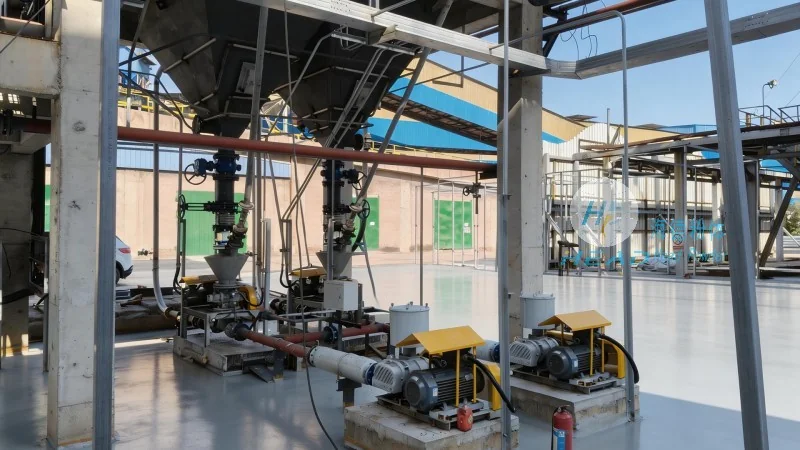
Technical Considerations for Efficient Polyethylene Resin Powder Conveying
When designing a pneumatic conveying system for polyethylene resin powders, several technical considerations must be addressed to ensure optimal performance. First, the particle size and density of the resin powder are critical factors. Fine particles may require higher air velocities to prevent blockages, while larger particles might need different airlock designs to handle the material flow. The system must also account for the material's flowability, which can be influenced by moisture content and the presence of additives. For polyethylene resin powders, which are often hygroscopic, proper moisture control is essential to maintain material quality and prevent caking or agglomeration. Additionally, the system should incorporate features to manage static electricity, as polymeric materials are prone to generating static charges that can cause material sticking or equipment damage. This may involve the use of anti-static additives or grounding components in the conveying line. The selection of appropriate airlock devices, such as rotary valves or slide gates, is another key consideration, as they control the material intake and discharge, ensuring smooth and continuous operation. The cyclone separator and dust collection system are also vital components, as they prevent material loss and maintain air quality in the plant. Proper maintenance and regular cleaning of these components are necessary to avoid system inefficiencies and downtime.
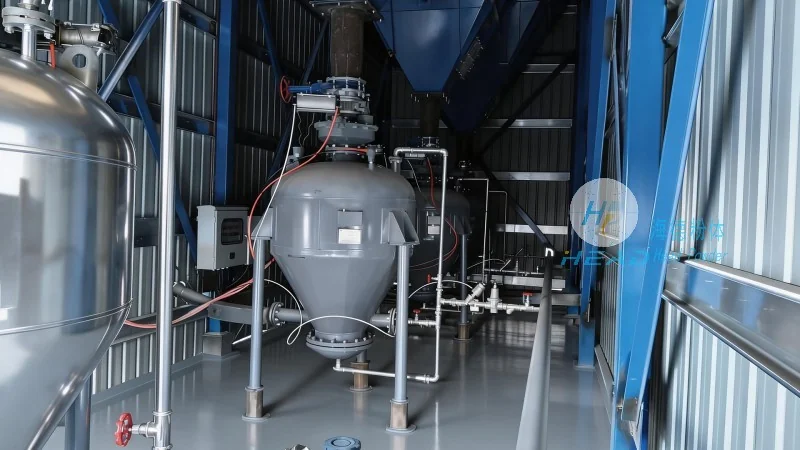
Advantages of Pneumatic Conveying for Polyethylene Resin Powders
Pneumatic conveying systems offer several advantages when transporting polyethylene resin powders compared to traditional methods like belt conveyors or bucket elevators. One of the primary benefits is the ability to handle fine and dusty materials without the need for additional dust suppression equipment. The enclosed pipeline system prevents dust from escaping into the environment, improving workplace safety and compliance with environmental regulations. Additionally, pneumatic conveying allows for flexible system layouts, as the pipeline can be routed around obstacles or through different levels of the facility, providing greater operational flexibility. The systems also enable continuous material flow, reducing the need for manual handling and improving overall productivity. For polyethylene resin powders, which are often sensitive to contamination, the enclosed nature of the system minimizes the risk of cross-contamination from other materials or environmental factors. This is particularly important in food-grade or pharmaceutical applications where material purity is critical. Furthermore, pneumatic conveying can be integrated with other processing equipment, such as mixers or extruders, to create a seamless production line, enhancing operational efficiency and reducing processing time.
Conclusion and Application Insights
In conclusion, pneumatic conveying systems are an effective and efficient solution for handling polyethylene resin powders in various industrial applications. The principles of pressure and vacuum systems, combined with specialized components like airlocks and cyclone separators, ensure reliable and clean material transport. The working scene characteristics, including high-volume handling and material-specific properties, highlight the importance of tailored system design to meet specific operational needs. As a leading provider, Shandong HeadPowder Engineering Co., Ltd. specializes in designing and manufacturing pneumatic conveying equipment tailored to the unique requirements of polyethylene resin powder applications, ensuring optimal performance and durability in industrial settings. By understanding the technical considerations and advantages of pneumatic conveying, industries can enhance their material handling processes and maintain product quality while improving overall operational efficiency.