

Principle and Working Scene Characteristics of Pneumatic Conveying Systems for Lithium-Ion Battery P
Pneumatic conveying systems are a critical technology in the manufacturing processes of lithium-ion battery positive electrode materials, particularly in facilities operated by Shandong HeadPowder Engineering Co., Ltd. These systems are engineered to efficiently transport fine powders, such as lithium cobalt oxide (LCO), lithium iron phosphate (LFP), and other advanced cathode chemistries, through a network of air-driven pipelines. The technology ensures precise control over material handling while maintaining the high purity standards critical for battery performance. By leveraging compressed air or gases, the systems move materials with minimal contact and exposure to contaminants, supporting the demanding requirements of modern battery manufacturing.
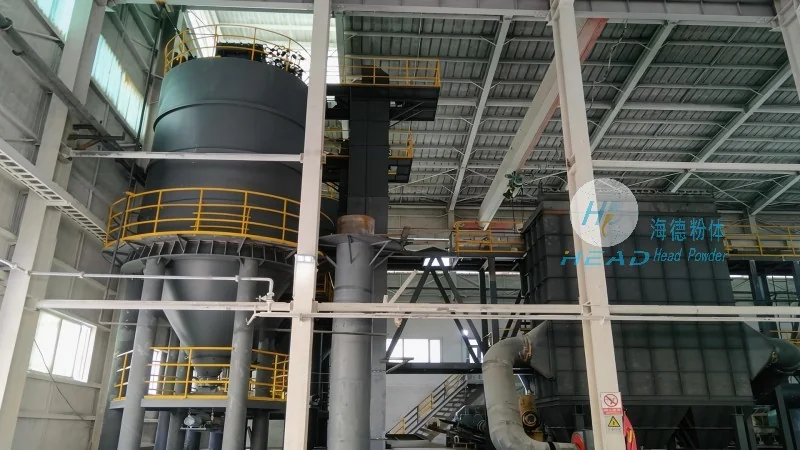
Principle of Operation for Pneumatic Conveying Systems
The core principle of pneumatic conveying involves using air flow to propel powder particles through a pipeline. In a typical system, material is introduced into a hopper or feeder, where it is drawn into the pipeline by the moving air stream. The system operates on differential pressure, maintaining internal pressure above atmospheric levels to ensure smooth material transport without clogging or degradation. The design, including air nozzles, pipeline diameter, and air velocity, is optimized to match the specific characteristics of the positive electrode material—such as particle size, density, and moisture content—to achieve efficient and reliable operation.
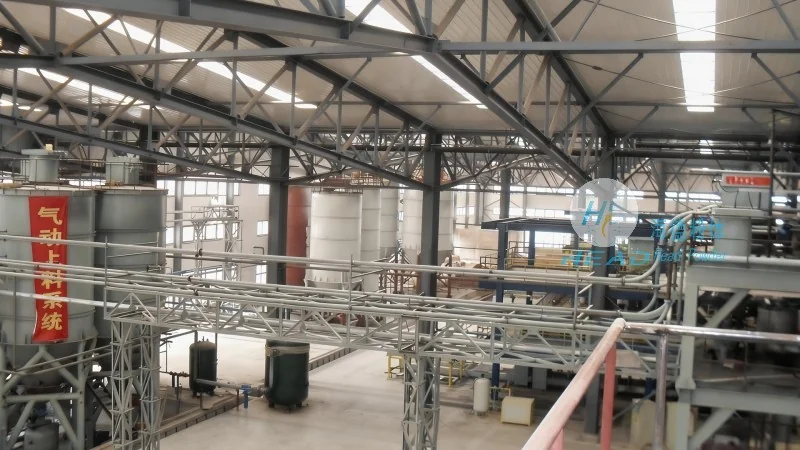
Key Components and Their Functions
Several critical components work together to enable the efficient operation of pneumatic conveying systems for battery materials. These include feeders (e.g., rotary valves or screw feeders) that control material flow rate; air movers (blowers or compressors) that generate necessary air pressure; pipelines (usually stainless steel or corrosion-resistant materials) that transport the material; and separation devices (cyclones or filters) that separate material from the air stream at the end. Each component is selected based on the material's properties, ensuring minimal contamination and maximum efficiency. The engineering approach by Shandong HeadPowder Engineering Co., Ltd. focuses on durability and adaptability to handle diverse material types and production scales.
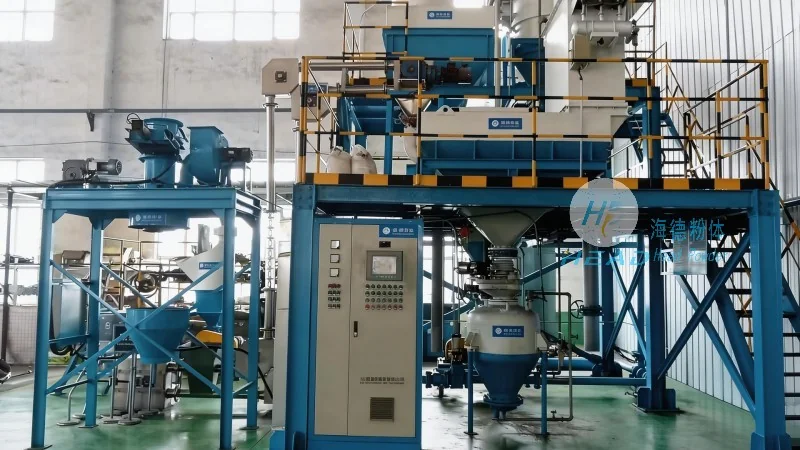
Working Scene Characteristics and Applications
The working scene characteristics of these systems are tailored to high-purity manufacturing environments. They are commonly used in scenarios where material handling must be precise and free from external contaminants. For instance, in the production of LCO or LFP powders, the system transports material from mixing or grinding stages to coating or drying equipment without exposure to air or moisture, which could affect performance. The systems are designed for continuous operation, making them suitable for large-scale battery manufacturing facilities that require consistent material supply and minimal downtime.
Advantages of Pneumatic Conveying Systems in Battery Material Handling
Compared to traditional mechanical conveying, pneumatic systems offer distinct advantages for lithium-ion battery materials. These include the ability to transport materials over long distances without intermediate storage; reduced risk of material degradation due to minimal surface contact; and flexibility to handle various particle sizes and material types. The systems are also scalable, allowing manufacturers to adjust capacity based on production needs. The use of stainless steel and other corrosion-resistant materials ensures durability in harsh chemical environments typical of battery material processing. The company's solutions further enhance these benefits by integrating advanced control systems for real-time monitoring and optimization.
Conclusion
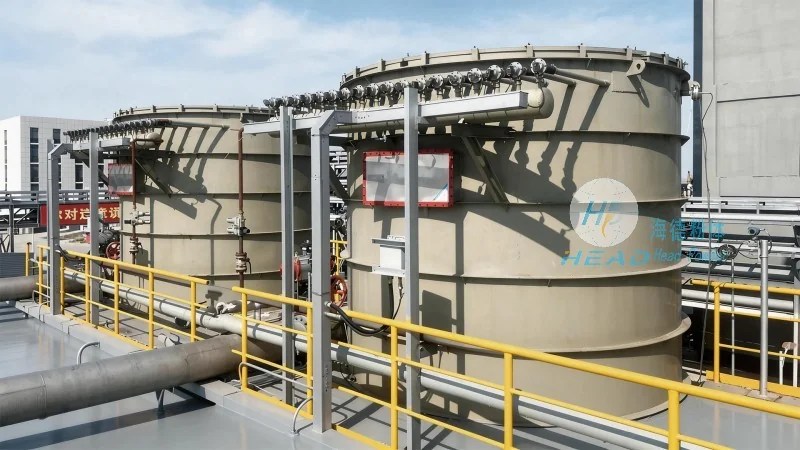
Pneumatic conveying systems represent a sophisticated and essential solution for the efficient handling of lithium-ion battery positive electrode materials. By leveraging air flow to transport fine powders with precision and control, these systems contribute to the quality and performance of battery components. As the battery industry continues to advance, the importance of such systems in supporting high-energy-density battery production will grow. The technology, when engineered by companies like Shandong HeadPowder Engineering Co., Ltd., provides a robust foundation for modern battery manufacturing, ensuring reliable and high-purity material handling in production lines.