

Principles and Working Scene Characteristics of Soybean Powder Conveying
Understanding the principles and operational characteristics of soybean powder conveying is crucial for optimizing processing efficiency in various industrial applications. This article delves into the core mechanisms and practical scenarios where specialized conveying systems are employed, providing insights into how these technologies enhance productivity and reliability in handling soybean powders.
Core Principles of Soybean Powder Conveying Systems
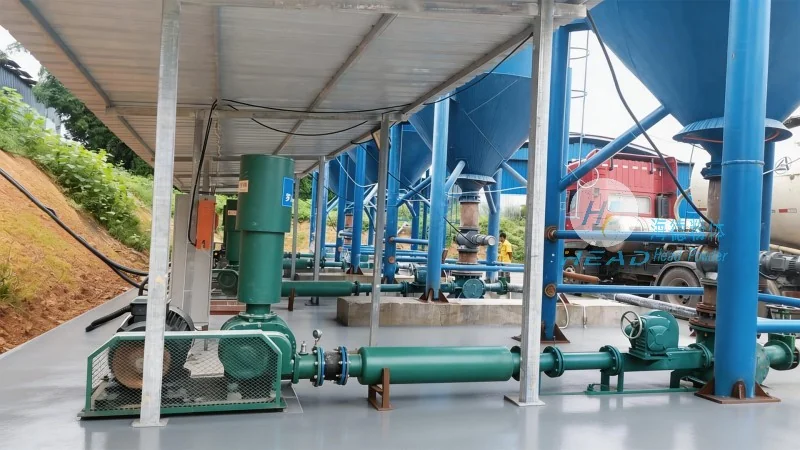
Soybean powder conveying systems operate on fundamental principles that ensure efficient material transport while maintaining product integrity. The primary mechanisms include pneumatic conveying, mechanical conveying, and hybrid systems, each tailored to specific powder properties and operational requirements. Pneumatic conveying, for instance, utilizes air pressure to move powders through pipelines, offering advantages such as low maintenance and the ability to handle fine or dusty materials. Mechanical conveying, on the other hand, relies on mechanical components like screws, belts, or buckets to transport powders, providing consistent flow rates and better control over material handling. Hybrid systems combine both pneumatic and mechanical elements, leveraging the strengths of each approach to address complex conveying challenges.
Key Working Scene Characteristics
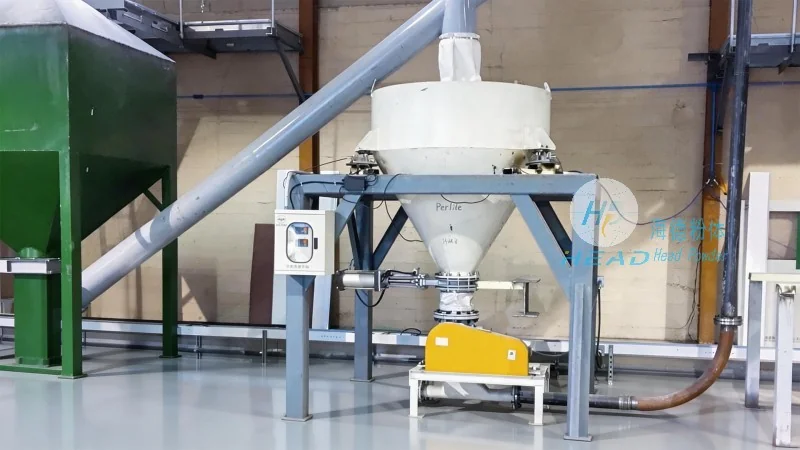
The working scene characteristics of soybean powder conveying systems vary significantly based on the application, scale, and environmental conditions. In large-scale processing facilities, such as soybean processing plants, the need for high-capacity, continuous conveying is paramount. These systems must handle large volumes of soybean powder while minimizing downtime and ensuring consistent product quality. The operational environment often involves high temperatures, moisture control, and dust management, requiring robust equipment that can withstand harsh conditions. Additionally, the integration of conveying systems with other processing steps, like grinding, drying, or packaging, demands seamless coordination to maintain process efficiency. For example, in a soybean oil extraction plant, the conveying system must efficiently transport ground soybean meal from the grinding stage to the next processing unit, ensuring minimal material loss and optimal flow rates.
Application-Specific Conveying Solutions
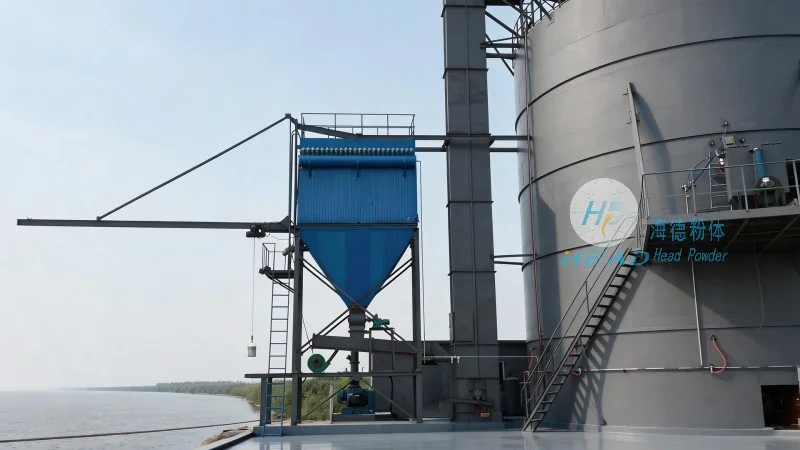
HeadPowder Engineering Co., Ltd., a leading provider of specialized conveying solutions, offers tailored systems designed to meet the unique demands of soybean powder handling. With a focus on innovation and reliability, the company’s products are engineered to enhance operational efficiency and product quality. The company’s expertise lies in understanding the specific properties of soybean powders, such as their particle size distribution, moisture content, and flow characteristics, and designing conveying systems that address these challenges effectively. For instance, their pneumatic conveying solutions utilize advanced air management techniques to minimize pressure drops and energy consumption, while ensuring consistent material transport. Mechanical conveying systems, such as screw conveyors, are designed with corrosion-resistant materials and adjustable speed controls to handle varying powder loads and prevent blockages. The company’s hybrid systems combine the best of both worlds, providing flexibility and adaptability for diverse operational needs.
Ensuring Product Integrity and Efficiency
One of the critical aspects of soybean powder conveying is maintaining product integrity throughout the process. This involves preventing contamination, moisture absorption, and degradation of the powder. HeadPowder Engineering Co., Ltd. addresses these concerns through the use of high-quality materials, advanced sealing technologies, and precise control systems. Their conveying systems are designed to minimize exposure to air and moisture, reducing the risk of product spoilage and ensuring consistent quality. Additionally, the company’s focus on energy efficiency helps reduce operational costs while maintaining high performance. By optimizing air flow rates, reducing friction, and using efficient motor drives, their systems achieve significant energy savings without compromising conveying capacity. This approach not only enhances cost-effectiveness but also aligns with sustainability goals in industrial processing.
Conclusion and Practical Implications
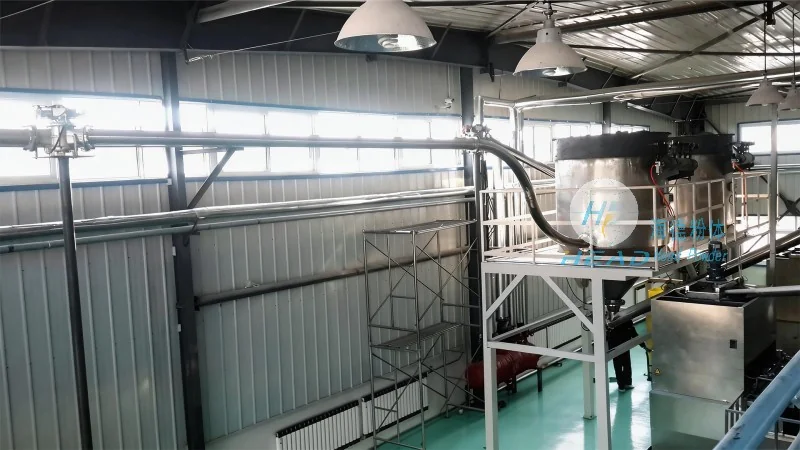
In conclusion, the principles and working scene characteristics of soybean powder conveying systems play a vital role in optimizing industrial processes. By understanding the core mechanisms and tailoring solutions to specific applications, industries can enhance productivity, reduce costs, and maintain product quality. HeadPowder Engineering Co., Ltd. stands as a trusted partner in providing advanced conveying solutions that meet the evolving needs of soybean processing. Their commitment to innovation, reliability, and customer satisfaction ensures that businesses can achieve efficient and sustainable material handling, contributing to overall operational success.