

Principles and Working Scene Characteristics of Wood Chip Powder Conveying
Wood chip powder conveying is a critical process in various industrial applications, particularly in the wood processing and biomass energy sectors. The efficient transport of wood chip powders from one location to another is essential for maintaining production flow and ensuring operational efficiency. This article explores the fundamental principles behind wood chip powder conveying systems and highlights the key characteristics of different working scenarios where these systems are commonly applied.
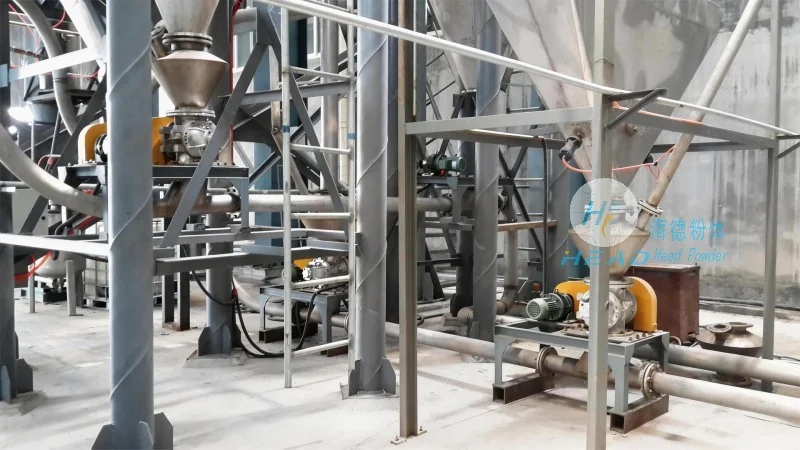
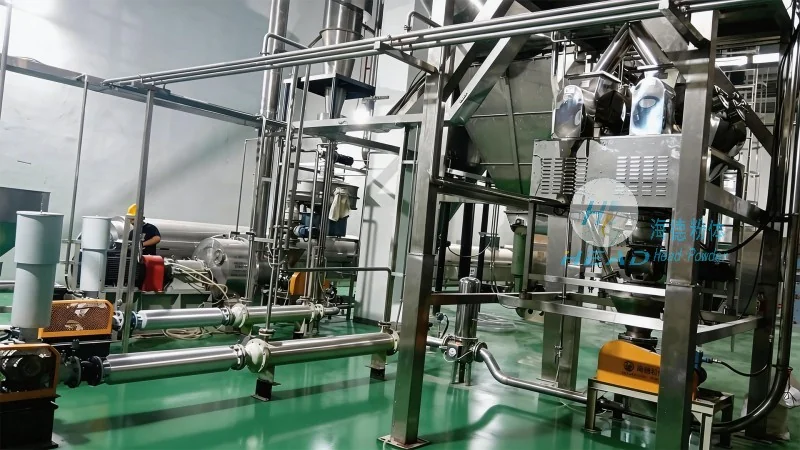
Principles of Wood Chip Powder Conveying
The core principle of wood chip powder conveying involves the movement of particulate materials, such as wood chips, through a conveying medium. There are primarily two main categories of conveying systems: pneumatic (air-assisted) and mechanical (mechanical-driven) systems. Pneumatic conveying utilizes compressed air or other gases to transport the material, while mechanical systems rely on components like belts, screws, or buckets to move the chips. For wood chip powders, which often have a relatively low bulk density and can be prone to dust generation, pneumatic systems are frequently preferred due to their ability to handle fine particles and minimize material degradation. The selection of a conveying system depends on factors including the particle size distribution, moisture content, and the distance and elevation changes required for the transport. In pneumatic systems, the conveying process typically involves creating a pressure differential by using fans or blowers to draw or push the material through a pipeline. The air velocity must be sufficient to overcome the gravitational forces and frictional losses within the system, ensuring that the wood chips remain suspended and transported effectively. Mechanical systems, on the other hand, may be more suitable for applications where the material is too coarse or where the conveying distance is short and the system needs to handle higher volumes with less energy consumption. The choice of conveying principle is crucial as it directly impacts the system's efficiency, cost, and the overall performance in handling wood chip powders.
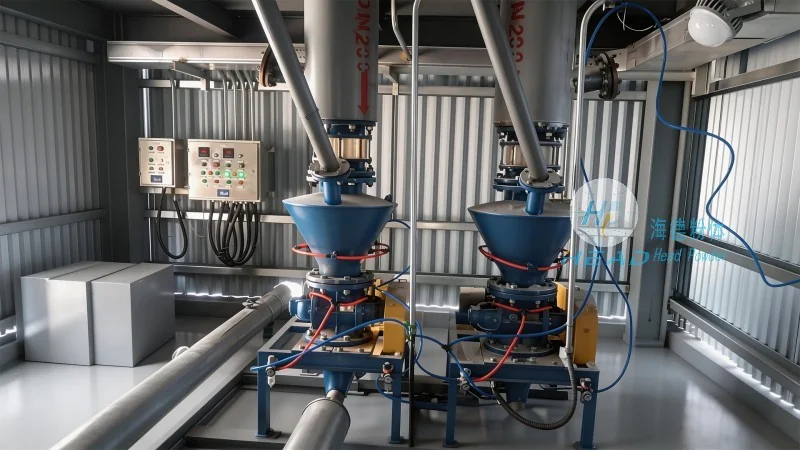
Working Scene Characteristics of Wood Chip Powder Conveying
Wood chip powder conveying systems are employed in a wide range of industrial settings, each with distinct characteristics that influence the design and operation of the conveying equipment. One common working scene is in the wood processing industry, where wood chips are generated as a byproduct of sawmilling or chipping operations. In this scenario, the chips need to be transported from the production line to storage silos or processing units, such as pellet mills or biofuel plants. The key characteristics here include the need for high-volume, continuous conveying to match the production rate of the wood processing equipment. The wood chips may have varying sizes and moisture levels, which can affect the conveying efficiency and require adjustments in the system's air flow or mechanical components. Another working scene is in biomass energy facilities, where wood chips are used as a fuel source for power generation or heat production. In these applications, the chips are often transported from storage areas to combustion or gasification units. The conveying systems must be robust enough to handle the abrasive nature of wood chips and resist wear and tear over long operational periods. The working environment may also involve high temperatures and humidity, which can impact the material's properties and the system's performance. Additionally, in environmental or waste management contexts, wood chip powders may be used for composting or as a component in soil amendment products. The conveying systems in these scenarios need to ensure that the material is transported without contamination and with minimal dust emissions, adhering to environmental regulations. The characteristics of these working scenes include the requirement for gentle handling to preserve the material's quality and the need for dust control measures to maintain air quality standards. Each working scene presents unique challenges and requirements, necessitating tailored conveying solutions that optimize performance and reliability.
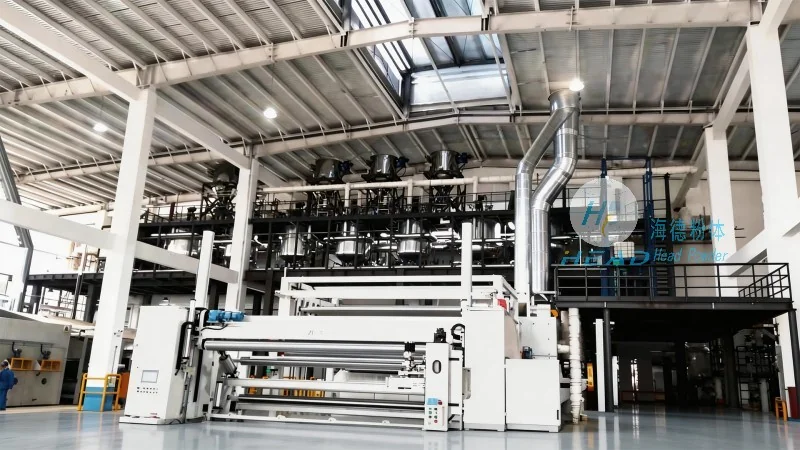
Application of Conveying Systems by Shandong HeadPowder Engineering Co., Ltd.
Shandong HeadPowder Engineering Co., Ltd., a leading provider of specialized conveying solutions, offers advanced systems tailored to the specific needs of wood chip powder handling. The company's expertise lies in designing and manufacturing both pneumatic and mechanical conveying equipment that can effectively handle the unique properties of wood chips, including their low bulk density, irregular shapes, and potential for dust generation. By leveraging years of experience in the industry, HeadPowder has developed systems that are optimized for high efficiency, low maintenance, and long-term reliability. The company's products are designed to meet the demands of various working scenes, from large-scale industrial production to smaller-scale applications in biomass energy and environmental management. For example, in wood processing facilities, HeadPowder's conveying systems can be integrated with existing production lines to ensure seamless material transport, reducing downtime and improving overall productivity. In biomass energy plants, the company's solutions help in maintaining consistent fuel supply to combustion units, enhancing energy output and operational stability. The working scene characteristics, such as high-volume transport or the need for dust control, are carefully considered in the design process, ensuring that the systems deliver optimal performance under diverse conditions. HeadPowder's commitment to quality and customer satisfaction is reflected in the robust construction and advanced features of their conveying equipment, which are built to withstand the harsh conditions often encountered in wood chip handling applications. The company's local presence in Shandong, China, allows for efficient support and service, providing customers with reliable assistance throughout the lifecycle of their conveying systems. By focusing on the specific requirements of each working scene, HeadPowder ensures that their solutions are not only effective but also cost-efficient, helping clients achieve their operational goals while maintaining compliance with industry standards and regulations.