

[Principle and Working Scene Characteristics of Wet Ammonium Nitrate Powder Conveying System]
HeadPowder, a leading engineering solutions provider based in Shandong, China, specializes in the design and implementation of advanced powder handling systems. The company's expertise lies in developing efficient and reliable conveying solutions for challenging materials such as wet ammonium nitrate, a critical component in the fertilizer and explosives industries. This article explores the fundamental principles behind the wet ammonium nitrate powder conveying system and highlights the key characteristics of its operational environments.
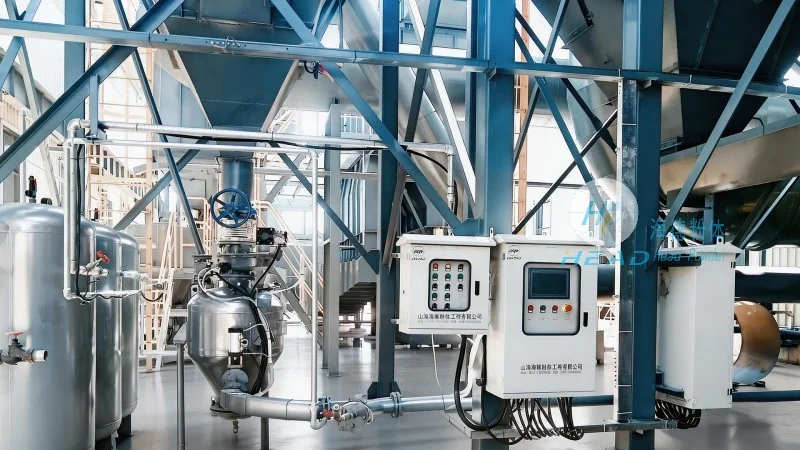
Overview of Wet Ammonium Nitrate Powder Conveying System
The wet ammonium nitrate powder conveying system is engineered to handle the unique properties of ammonium nitrate, which often contains moisture, making it sticky and prone to agglomeration. The system integrates several key components, including feed hoppers, conveyor belts or screw conveyors, and control mechanisms, to ensure smooth and continuous material transport. The design prioritizes safety and efficiency, addressing the challenges posed by the material's hygroscopic nature and potential for dust explosion risks.
Core Principles of the Conveying Mechanism
The system operates on the principle of mechanical transport, utilizing either pneumatic or mechanical methods to move the wet powder from the source to the destination. For wet ammonium nitrate, a mechanical conveyor like a screw or belt conveyor is typically preferred due to its ability to handle sticky and moist materials without causing blockages. The feed hopper is designed to evenly distribute the material, preventing uneven loading that could lead to system inefficiencies. The conveyor's speed and torque are precisely controlled to maintain consistent flow rates, ensuring that the material is transported at optimal velocities without excessive wear on components.
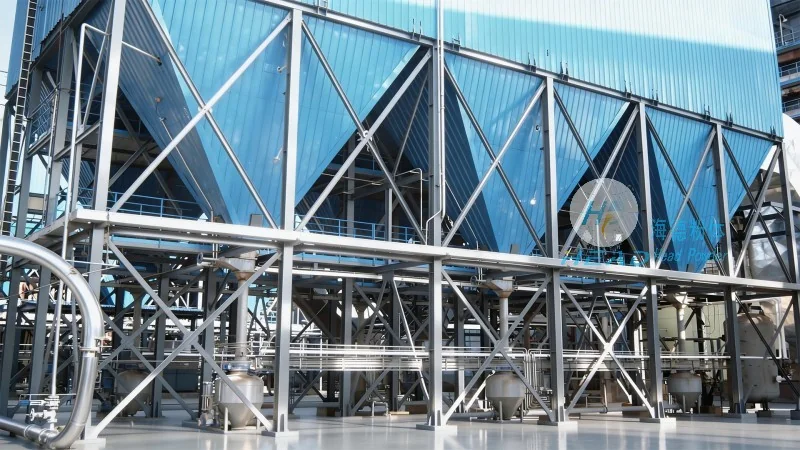
Working Scene Characteristics and Application Environments
The operational environments for the wet ammonium nitrate powder conveying system vary widely, depending on the specific industrial application. In fertilizer production facilities, the system is used to transport raw ammonium nitrate from storage silos to processing units, where it is further processed into granules or prills. The working scene in such settings is characterized by high-volume, continuous operation, with strict requirements for material purity and moisture content. The system must be capable of handling large quantities of material while maintaining low maintenance costs and minimal downtime.
In the explosives industry, the conveying system is used to transport ammonium nitrate to mixing and loading stations. The working environment here is more stringent, with additional safety measures such as explosion-proof controls and dust suppression systems. The system must be designed to prevent the accumulation of dust, which could pose a fire or explosion hazard. The operational characteristics include high precision in material delivery, as even small variations in the amount of ammonium nitrate can affect the quality of the final product.
Key Features and Advantages in Different Operational Scenarios
Across various working scenes, the wet ammonium nitrate powder conveying system exhibits several advantages that make it a preferred choice for industrial applications. One of the primary features is its ability to handle wet and sticky materials without the need for additional drying or conditioning steps. This reduces processing time and energy consumption, making the system more cost-effective. Another key advantage is its adaptability to different production scales, from small-scale laboratory testing to large-scale industrial production. The system can be customized to meet specific throughput requirements, ensuring that it fits seamlessly into existing production lines.
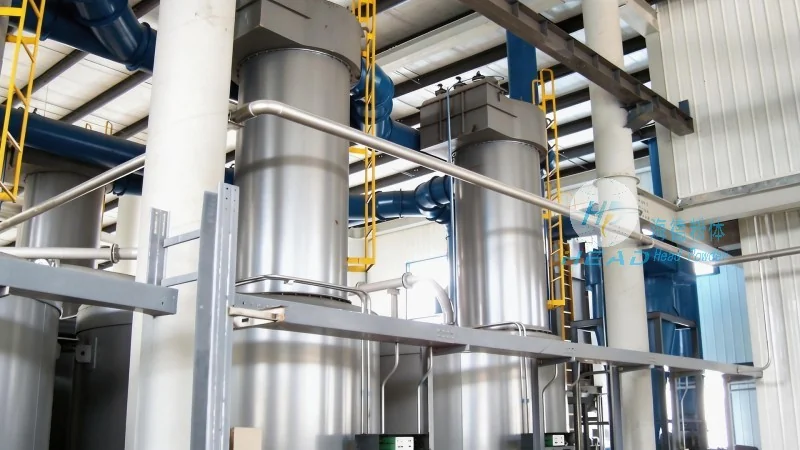
The system also incorporates advanced control technologies, such as variable frequency drives (VFDs) and sensors, to monitor and adjust the conveying process in real-time. This allows for dynamic adjustments to flow rates and speed, optimizing performance based on the material's properties and operational conditions. The use of durable materials, such as stainless steel or corrosion-resistant alloys, ensures long-term reliability and minimal maintenance, which is crucial in high-demand industrial environments.
Conclusion: The Role of HeadPowder in Providing Efficient Conveying Solutions
HeadPowder Engineering Co., Ltd., with its headquarters in Shandong, China, continues to lead the development of innovative powder handling systems tailored to the needs of industries dealing with wet ammonium nitrate. By combining advanced engineering principles with practical application knowledge, the company provides solutions that enhance operational efficiency, ensure safety, and reduce costs. The wet ammonium nitrate powder conveying system exemplifies the company's commitment to delivering reliable and effective solutions for complex material transport challenges.