

Principle and Working Scene Characteristics of Colored Sand Powder Conveying System Equipment
Colored sand powder conveying systems are specialized equipment designed to transport colored sand powders efficiently and reliably in various industrial and construction applications. These systems are crucial for ensuring smooth material handling processes, especially in environments where precise control over particle movement is essential. The technology behind these systems combines advanced engineering principles with practical application, making them a vital component in modern material processing operations.
Core Principles of Powder Conveying Equipment
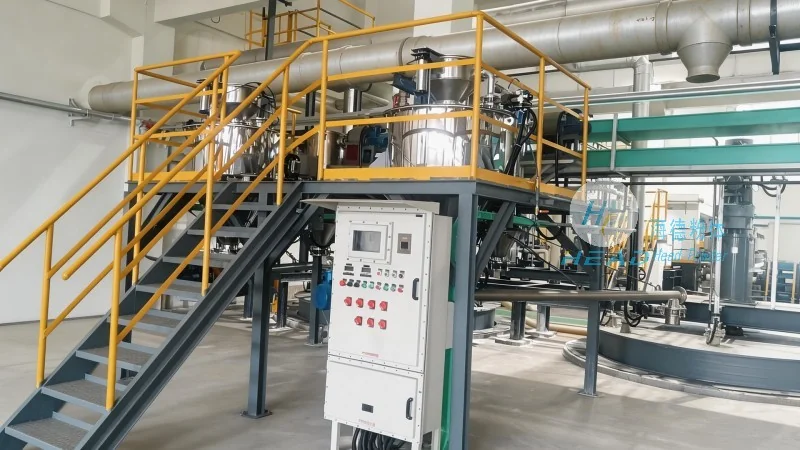
The fundamental principle of colored sand powder conveying systems revolves around the efficient movement of fine particles from one location to another. Key components typically include a hopper for material storage, a conveying mechanism (such as pneumatic or mechanical systems), and a control unit to regulate the flow. Pneumatic conveying systems, for instance, use compressed air to create a flow that transports the sand particles through pipes, while mechanical systems like screw conveyors rely on rotating screws to push the material forward. The choice of system depends on factors such as the particle size, moisture content, and the distance over which the material needs to be transported. In the case of colored sand, which often has a fine texture and varying particle sizes, pneumatic systems are commonly preferred due to their ability to handle delicate materials without causing degradation or segregation.
Working Scene Characteristics and Applications
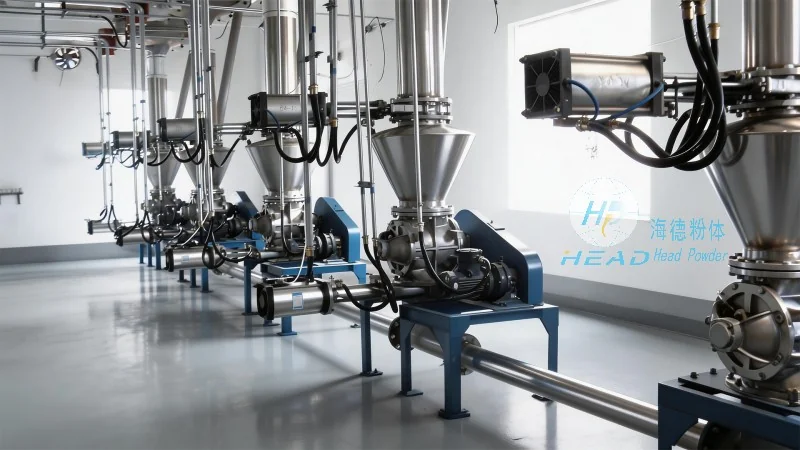
Colored sand powder conveying systems are widely used in several key working scenes, each with distinct requirements and benefits. One primary application is in the decorative concrete and masonry industries, where colored sand is used to create patterned or colored surfaces on walls, floors, and other structures. In these scenarios, the conveying system must ensure that the sand particles are evenly distributed and free from clumping, which is critical for achieving consistent color and texture in the final product. Another significant working scene is in the production of architectural elements, such as precast concrete panels or decorative tiles. Here, the system plays a role in feeding colored sand into mixing equipment, where it is combined with other materials to create custom-colored concrete mixes. The efficiency of the conveying system directly impacts the production speed and quality of these products, making it an indispensable part of the manufacturing process.
Efficiency and Environmental Considerations in Conveying Operations
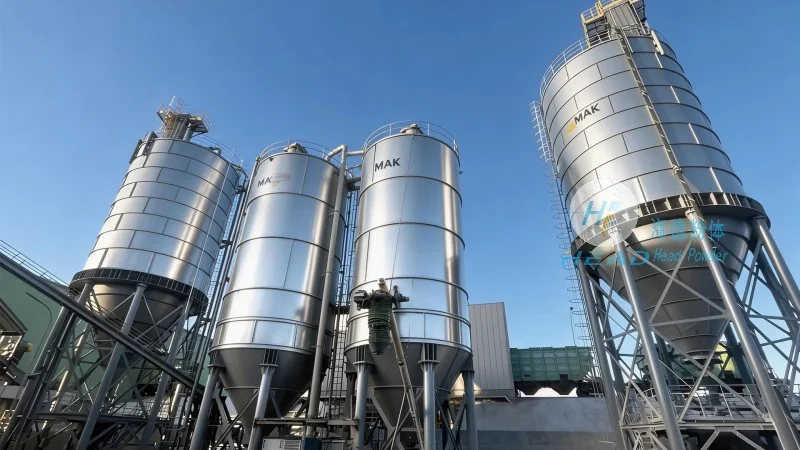
Modern colored sand powder conveying systems are designed with efficiency and environmental sustainability in mind. Many systems incorporate features that minimize energy consumption and reduce waste. For example, some pneumatic systems use vacuum or pressure control to optimize air usage, thereby lowering operational costs and reducing the environmental footprint. Additionally, the use of sealed conveying lines helps prevent dust emissions, which is particularly important in indoor or enclosed working environments. This not only improves workplace safety by reducing the risk of respiratory issues but also complies with environmental regulations regarding dust control. The systems also often include filtration and recycling mechanisms to capture and reuse any escaped particles, further enhancing their environmental performance.
Technical Advantages and Customization Options
HeadPowder, a leading manufacturer of such equipment, offers a range of colored sand powder conveying systems tailored to specific customer needs. The company’s products are engineered to provide high efficiency, reliability, and durability, ensuring long-term performance in demanding working environments. Key technical advantages include adjustable flow rates, which allow operators to control the speed of material transport based on the application requirements. This flexibility is crucial in processes where precise material delivery is necessary, such as in the production of custom-colored concrete or decorative elements. Additionally, the systems are designed with easy maintenance in mind, featuring accessible components and user-friendly controls that simplify routine upkeep. HeadPowder also provides customization options, allowing clients to adapt the equipment to their unique operational conditions, such as varying particle sizes or specific space constraints. This adaptability ensures that the conveying system can be integrated seamlessly into existing production lines, minimizing downtime and maximizing productivity.
Conclusion: The Role of Colored Sand Powder Conveying Systems in Modern Industry
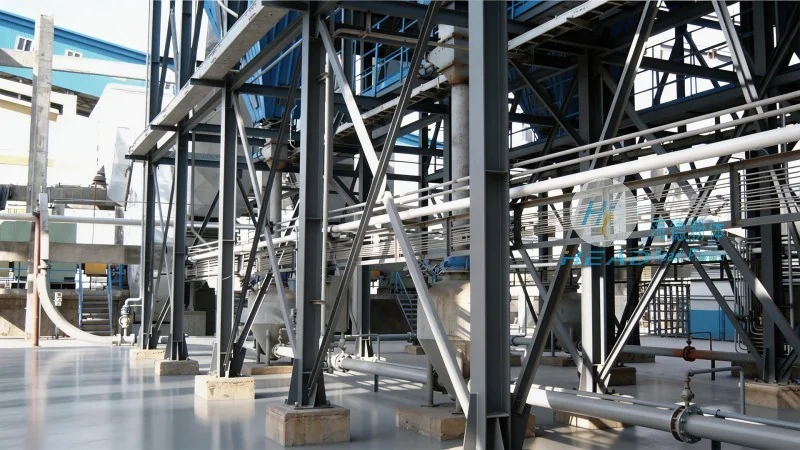
Colored sand powder conveying systems are essential tools in the modern industrial landscape, enabling efficient and reliable material handling for colored sand applications. By understanding the core principles and working scene characteristics of these systems, businesses can optimize their operations and improve product quality. The technology behind these systems continues to evolve, with advancements in materials, control systems, and energy efficiency contributing to their growing importance in various industries. As demand for colored sand products increases, the role of advanced conveying systems will only become more critical, supporting the growth and innovation in sectors such as construction, manufacturing, and decorative arts. HeadPowder Engineering Co., Ltd., with its expertise and commitment to quality, remains at the forefront of providing solutions that meet the evolving needs of the colored sand industry.