

Principle and Working Scene Characteristics of Monosodium Glutamate Powder Conveying System Equipmen
HeadPowder, a prominent enterprise in the field of powder handling technology, specializes in the design, manufacturing, and integration of advanced conveying systems for various industrial applications. Based in Shandong, China, the company has established itself as a reliable partner for businesses seeking efficient and reliable solutions for transporting bulk powders, with a particular focus on monosodium glutamate (MSG) powder handling. This article delves into the technical principles and operational characteristics of the Monosodium Glutamate Powder Conveying System, highlighting its effectiveness in diverse industrial settings.
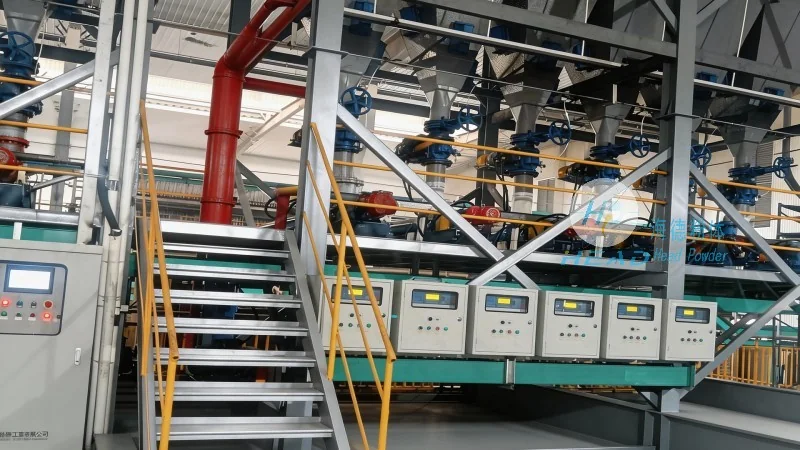
About HeadPowder: Leading Provider of Powder Conveying Solutions
Shandong HeadPowder Engineering Co., Ltd., commonly known as HeadPowder, is a professional manufacturer and supplier of powder conveying equipment. The company is headquartered in Shandong, China, and has built a strong reputation for delivering high-quality, customized solutions tailored to the specific needs of food processing, chemical, and pharmaceutical industries. HeadPowder's commitment to innovation, quality, and customer satisfaction has positioned it as a trusted name in the global market for powder handling systems. By leveraging advanced engineering and rigorous testing protocols, the company ensures that its products meet the highest standards of performance and durability, making them suitable for demanding industrial environments.
Monosodium Glutamate (MSG) Powder Conveying System: Enhancing Efficiency in Food Processing
The Monosodium Glutamate Powder Conveying System is a specialized equipment designed to facilitate the seamless transport of MSG powder from storage to processing units. As a key ingredient in the food industry, MSG requires precise handling to maintain its quality and prevent contamination. This system integrates advanced technologies such as pneumatic conveying, screw conveyors, and bulk material handling mechanisms to ensure efficient and hygienic transfer of the powder. The system is engineered to handle the unique properties of MSG, including its fine particle size and hygroscopic nature, ensuring minimal loss and maximum product integrity throughout the conveying process. By optimizing the flow and control of the powder, the system enhances overall operational efficiency and reduces downtime in food processing facilities.
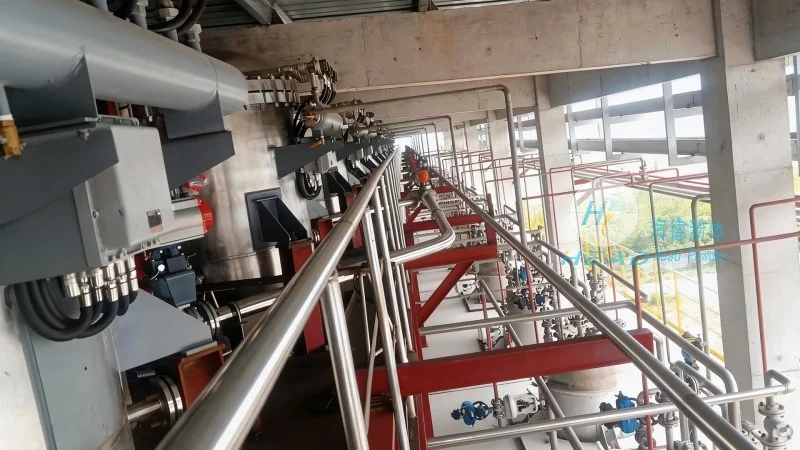
Technical Principle of the Powder Conveying System
The core principle of the Monosodium Glutamate Powder Conveying System is based on the pneumatic conveying method, which utilizes air or gas to transport the powder through a network of pipes and components. The system operates by creating a pressure differential between the inlet and outlet, allowing the powder to be drawn into the conveying line and transported to the desired location. Key components of the system include the hopper, feeder, conveying line, and receiver, each playing a critical role in the efficient movement of the powder. The hopper is designed to store the MSG powder and maintain a consistent feed rate, while the feeder regulates the flow of the material into the conveying line. The conveying line, typically made of stainless steel to ensure hygiene and corrosion resistance, transports the powder under controlled pressure. The receiver then collects the powder at the destination, completing the transfer process. This pneumatic system is highly effective for transporting fine powders like MSG, as it minimizes product degradation and reduces the risk of blockages compared to traditional mechanical conveyors.
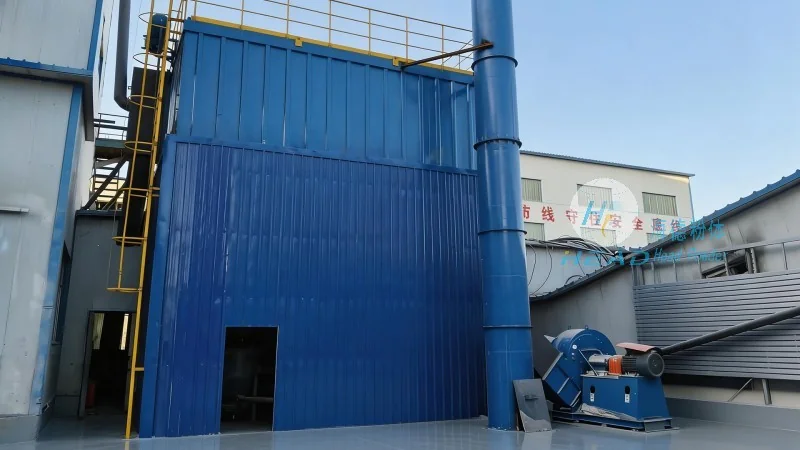
Working Scene Characteristics: Adaptability and Versatility in Industrial Applications
The Monosodium Glutamate Powder Conveying System is designed to operate in a variety of industrial settings, making it a versatile solution for different production environments. Its adaptability allows it to be integrated into existing production lines or used as a standalone system, depending on the specific requirements of the facility. In food processing plants, the system is commonly used to transport MSG from bulk storage silos to mixing and packaging units, ensuring a continuous supply of the ingredient. The system's hygienic design, with smooth surfaces and easy-to-clean components, meets the stringent standards of the food industry, reducing the risk of contamination and ensuring product safety. In chemical and pharmaceutical applications, the system can handle other fine powders with similar properties, demonstrating its versatility beyond MSG. The system's ability to handle varying flow rates and particle sizes makes it suitable for both small-scale and large-scale production operations, providing flexibility to meet the evolving needs of industrial clients. Additionally, the system's energy efficiency and low maintenance requirements contribute to its cost-effectiveness, making it an attractive choice for businesses looking to optimize their operational costs while maintaining high standards of performance.
Conclusion: The Role of Advanced Conveying Systems in Modern Industry
In conclusion, the Monosodium Glutamate Powder Conveying System developed by HeadPowder represents a significant advancement in powder handling technology. By combining advanced engineering principles with practical design considerations, the system addresses the unique challenges of transporting fine, hygroscopic powders like MSG. Its ability to enhance operational efficiency, maintain product quality, and adapt to diverse industrial applications makes it an essential component of modern food processing and related industries. HeadPowder's expertise in powder conveying solutions, combined with its commitment to quality and innovation, ensures that clients receive reliable and effective systems that meet their specific needs. As the demand for efficient and hygienic powder handling continues to grow, the Monosodium Glutamate Powder Conveying System stands as a testament to the company's role in driving technological progress in the industry.