

Principles and Working Scene Characteristics of Silage Material Conveying
Silage material conveying is a critical process in agricultural operations, particularly for the efficient handling and transportation of forage materials like corn silage, grass silage, and other plant residues used in livestock feeding. The core of this process revolves around understanding the mechanical principles that enable the movement of these materials from storage to feeding points, ensuring optimal flow, minimal loss, and operational efficiency. This article delves into the fundamental principles governing silage material conveying systems and explores the diverse working scene characteristics that define their application in modern agricultural settings. HeadPowder, a leading provider of agricultural machinery solutions, specializes in the design and manufacturing of efficient silage material conveying systems tailored to meet the unique needs of agricultural operations.
Key Principles of Silage Material Conveying
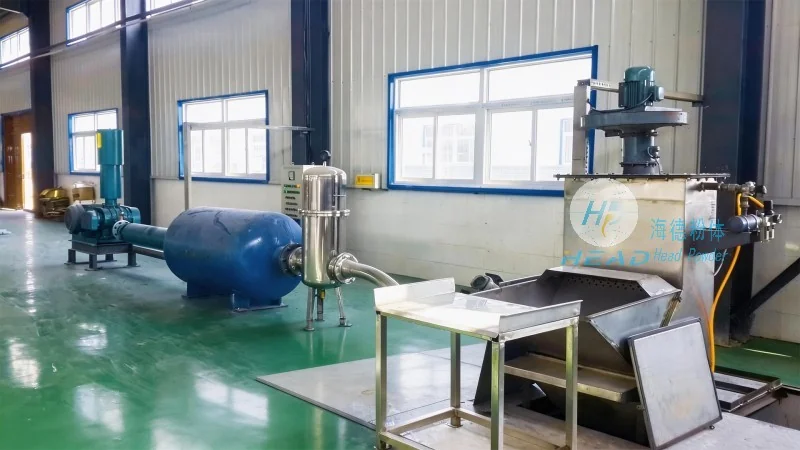
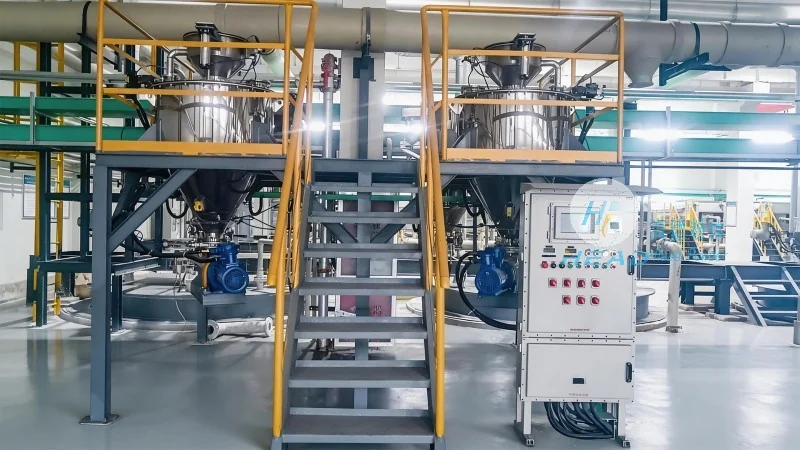
The effectiveness of silage material conveying systems is rooted in several key principles that address the unique physical properties of silage. Silage, being a moist, fibrous material, presents challenges such as high moisture content, variable density, and the tendency to stick or clump. Conveying systems must therefore be designed to handle these characteristics while maintaining consistent flow rates and preventing material degradation. One of the primary principles is the use of appropriate conveyor types, such as screw conveyors, belt conveyors, and chain conveyors, each suited to different material types and operational requirements. Screw conveyors, for instance, are ideal for handling fibrous materials due to their ability to push material forward through rotating helical blades, while belt conveyors offer flexibility in transporting larger volumes and varying material sizes. The selection of a conveyor type is influenced by factors like material moisture content, particle size, and the need for vertical or horizontal transport. Another critical principle is the maintenance of consistent material flow, which is achieved through proper feeding mechanisms, such as hoppers or feeders, that control the rate at which silage enters the conveyor. This ensures that the conveyor operates at its optimal capacity without overloading or causing blockages. Additionally, the design of the conveyor system must consider the need for minimal material degradation, which is achieved by using smooth, non-abrasive surfaces and avoiding high-speed impacts that could damage the silage or reduce its nutritional value. The integration of these principles into a cohesive system ensures that silage material is conveyed efficiently and safely, meeting the demands of modern agricultural practices.
Working Scene Characteristics of Silage Material Conveying Systems
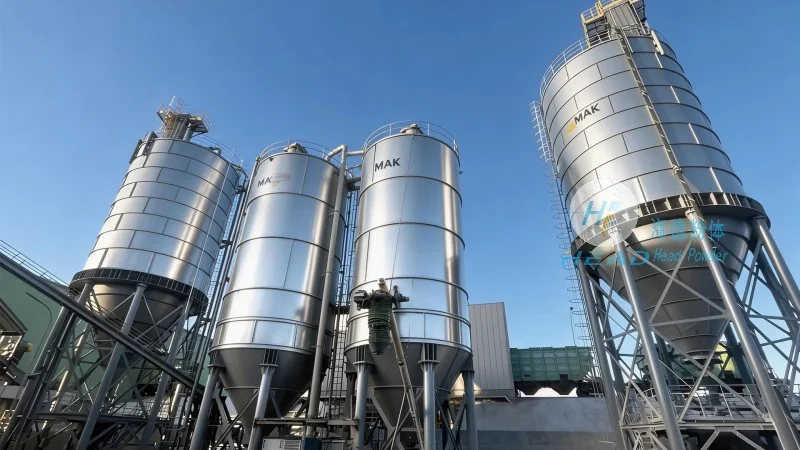
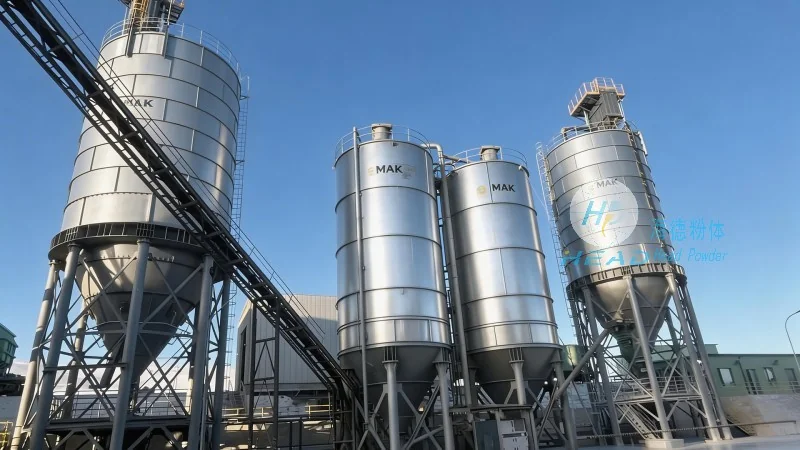
The working scene characteristics of silage material conveying systems vary significantly based on the specific agricultural setting and the scale of operation. These characteristics are defined by factors such as the type of livestock being fed, the size of the farm, the availability of storage facilities, and the environmental conditions. In large-scale dairy or feedlot operations, for example, the conveying systems are typically designed to handle high volumes of silage, often requiring multiple conveyors working in tandem to meet the daily feeding requirements of hundreds or thousands of animals. The working scene in such settings is characterized by high throughput, continuous operation, and the need for reliable, low-maintenance equipment. The systems are often integrated with other agricultural machinery, such as silage choppers or feed mixers, to create a seamless workflow from silage production to feeding. In contrast, smaller-scale farms or hobby farms may use more compact conveying systems, such as portable screw conveyors or small belt conveyors, which are designed for lower throughput and more flexible operation. The working scene in these settings is often more varied, with the conveyor system being used for different tasks, such as moving silage from the field to the storage silo or from the silo to the feeding trough. Environmental conditions also play a significant role in defining the working scene characteristics. For instance, in regions with harsh weather conditions, such as cold climates or areas prone to heavy rainfall, the conveying system must be equipped with weather-resistant components and protective enclosures to ensure continuous operation. The working scene may also be influenced by the type of livestock, as different animals have varying feeding requirements. For example, dairy cows may require higher-quality silage with specific nutrient levels, which may necessitate more sophisticated conveying systems that can handle different silage types or mix them with other feed ingredients. The integration of these working scene characteristics into the design of the conveying system ensures that it is tailored to the specific needs of the operation, maximizing efficiency and minimizing downtime.