

Principles and Working Scene Characteristics of Organic Fertilizer Material Handling
Organic fertilizer material handling is a critical process in agricultural and environmental management, ensuring the efficient transport and application of organic matter for soil enrichment and crop growth. The principles underlying this process involve understanding the physical and chemical properties of organic materials, as well as the mechanical systems designed to handle them. By integrating these principles with practical working scenarios, operators can optimize the handling of organic fertilizers, enhancing productivity and sustainability in agricultural operations. This content is provided by Shandong HeadPowder Engineering Co., Ltd., a leading provider of engineering solutions for organic fertilizer handling systems.
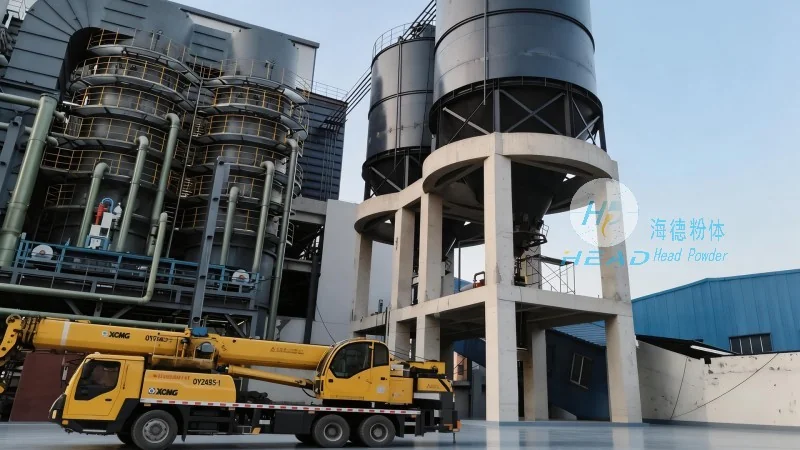
Introduction to Organic Fertilizer Material Handling
Organic fertilizers, derived from natural sources such as animal manure, compost, and crop residues, play a vital role in maintaining soil fertility and promoting sustainable agriculture. The handling of these materials, which often have high moisture content and variable particle sizes, requires specialized equipment and techniques to ensure safe and efficient transport. This article explores the fundamental principles of organic fertilizer material handling and highlights key working scene characteristics that influence the effectiveness of these processes. The expertise of Shandong HeadPowder Engineering Co., Ltd. in designing and implementing effective handling solutions is central to addressing these challenges.
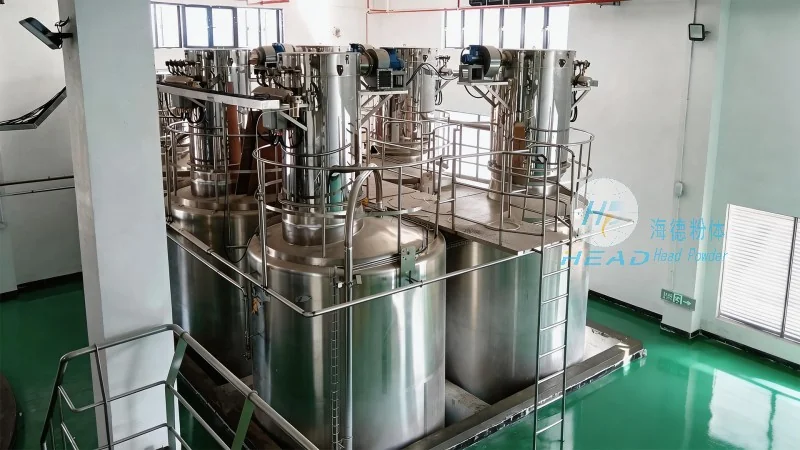
Key Principles of Organic Fertilizer Material Handling
The core principles of organic fertilizer material handling revolve around several critical factors. First, the moisture content of the organic material is a primary determinant of handling efficiency. Materials with high moisture levels can lead to clogging in conveyor systems and increased energy consumption. Therefore, moisture control is essential, often achieved through pre-drying or conditioning processes. Second, the particle size distribution of the organic material affects the choice of handling equipment. Coarse materials may require larger conveying components, while fine materials might need more delicate handling to prevent degradation. Third, the mechanical properties of the material, such as its bulk density and flowability, influence the design of storage and transport systems. Understanding these properties allows engineers to select appropriate equipment, such as screw conveyors, belt conveyors, or pneumatic systems, tailored to the specific characteristics of the organic fertilizer. The engineering solutions offered by Shandong HeadPowder Engineering Co., Ltd. focus on optimizing these principles to meet the unique needs of different organic fertilizer applications.
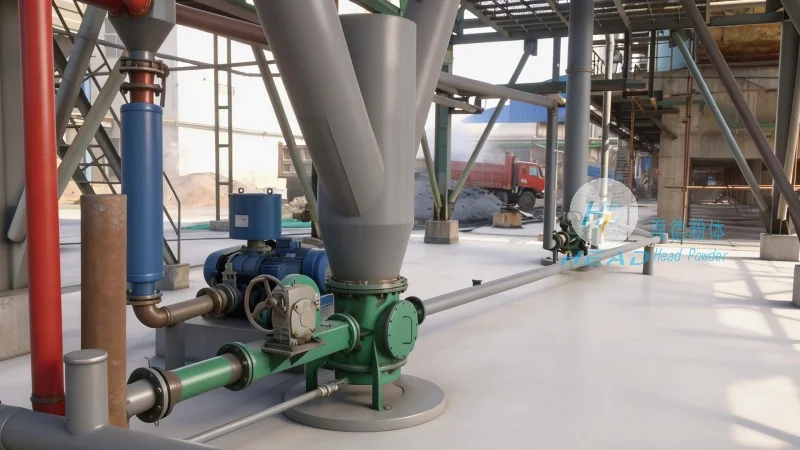
Working Scene Characteristics of Organic Fertilizer Handling
The working scene characteristics of organic fertilizer material handling vary significantly based on the application and scale of operation. In large-scale agricultural facilities, such as composting plants or fertilizer production sites, the handling process involves bulk material transport over long distances. These scenarios often require high-capacity conveyor systems and automated feeding mechanisms to maintain consistent flow rates. The working environment in these settings is typically industrial, with heavy machinery and continuous operation, demanding robust equipment capable of withstanding wear and tear from organic materials. In contrast, smaller-scale or on-farm operations may utilize more flexible handling methods, such as small-scale conveyors or loaders, to transport organic matter from storage to application points. These operations prioritize adaptability and lower throughput, with working scenes characterized by more variable material volumes and less intensive machinery. The working scene characteristics are crucial for selecting the right handling equipment, as seen in the solutions provided by Shandong HeadPowder Engineering Co., Ltd.
Equipment and Technology in Organic Fertilizer Handling
Various equipment and technologies are employed in organic fertilizer material handling to address the unique challenges posed by these materials. Screw conveyors are widely used due to their ability to handle high moisture content and variable particle sizes, as the rotating screw pushes material forward through a trough. Belt conveyors, on the other hand, are suitable for transporting larger, bulkier organic materials over longer distances, providing consistent and reliable movement. Pneumatic systems, or air conveyors, are used for fine or dusty organic materials, where material is transported through a pipeline using air pressure. These systems are particularly effective in preventing contamination and ensuring hygienic handling. Modern advancements in automation, such as sensors and control systems, enhance the efficiency of organic fertilizer handling by monitoring material flow, detecting blockages, and adjusting conveyor speeds in real-time. This technology integration improves operational safety and reduces downtime, making the handling process more reliable and cost-effective. Shandong HeadPowder Engineering Co., Ltd. integrates these technologies into their handling systems to deliver efficient and sustainable solutions.
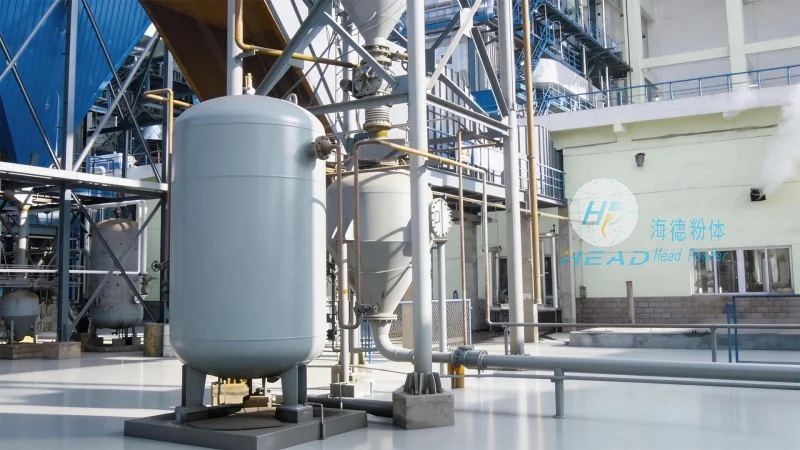
Applications and Benefits of Effective Organic Fertilizer Handling
Effective organic fertilizer material handling has numerous applications across different sectors. In agricultural settings, it enables the efficient application of organic matter to fields, promoting soil health and crop productivity. In composting facilities, proper handling ensures the uniform mixing of organic materials, accelerating the decomposition process and producing high-quality compost. The benefits of optimized handling include reduced labor costs, increased throughput, and improved environmental outcomes, as proper handling minimizes the risk of spills and contamination. Furthermore, effective handling supports sustainable agricultural practices by maximizing the use of organic resources and reducing reliance on synthetic fertilizers. By adhering to the principles and characteristics outlined in this article, operators can enhance the overall efficiency and sustainability of organic fertilizer management. The solutions provided by Shandong HeadPowder Engineering Co., Ltd. contribute to these benefits by ensuring effective and reliable handling processes.