

Principles and Operational Characteristics of Silicate Material Handling Systems
HeadPowder, a prominent engineering company headquartered in Shandong, China, focuses on providing specialized material handling solutions for silicate materials. This article examines the core principles of silicate material transport systems and analyzes the distinct operational scenarios where these systems are utilized effectively.
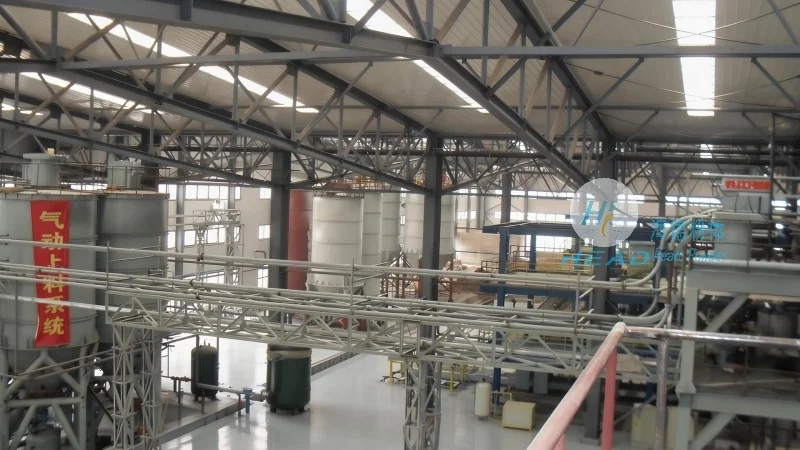
Core Principles of Silicate Material Handling Systems
The design of silicate material handling systems is governed by several key principles that ensure efficient and reliable operation. These principles include: 1) Understanding the physical and chemical properties of silicate materials, such as their particle size distribution, moisture content, and flow characteristics. 2) Selecting appropriate equipment based on the material's handling requirements, including belt conveyors, bucket elevators, and pneumatic conveying systems. 3) Implementing robust control systems to manage the flow, speed, and direction of material transport. 4) Ensuring compliance with safety standards and environmental regulations during operation. By adhering to these principles, silicate material handling systems can achieve optimal performance and minimize downtime.
Key Components of Silicate Material Handling Systems
Silicate material handling systems typically consist of several critical components that work in concert to facilitate material transport. The primary components include: 1) Inlet and discharge mechanisms, which handle the loading and unloading of materials from storage or processing units. 2) Conveying equipment, such as belt conveyors or screw conveyors, that move materials horizontally or vertically. 3) Elevating devices, like bucket elevators or chain conveyors, that lift materials to higher elevations. 4) Storage and buffering systems, such as silos or hoppers, that regulate material flow and prevent blockages. 5) Control and monitoring systems, including sensors and automation software, that ensure precise operation and real-time feedback. Each component is carefully selected and integrated to meet the specific demands of silicate materials, ensuring consistent and efficient performance.
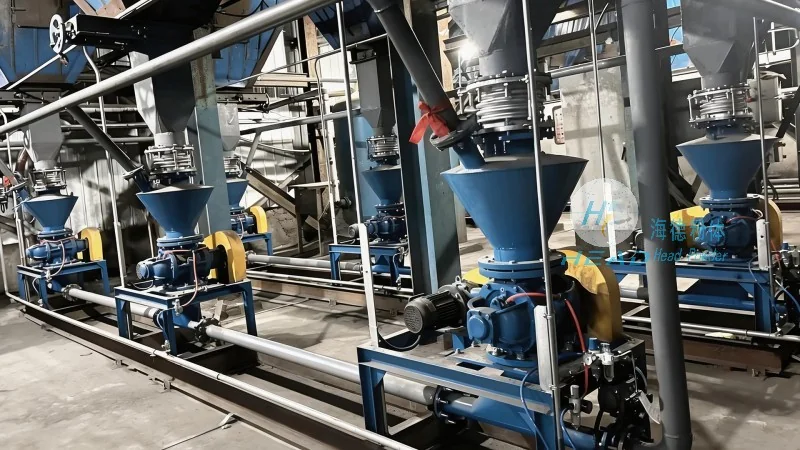
Operational Scenarios of Silicate Material Handling Systems
Silicate material handling systems are widely employed in various industrial applications, each with unique characteristics and requirements. The following operational scenarios illustrate the versatility and adaptability of these systems: 1) Cement Production Facilities: In cement plants, silicate material handling systems transport raw materials like limestone, clay, and iron ore to grinding mills and kilns. The systems must handle large volumes of bulk materials and maintain consistent flow rates to support continuous production. 2) Ceramic Manufacturing Plants: Ceramic factories utilize silicate material handling systems to transport clay, feldspar, and other raw materials to mixing and molding equipment. The systems often operate in high-temperature environments and require durable components to withstand wear and corrosion. 3) Glass Manufacturing Facilities: Glass plants rely on silicate material handling systems to transport sand, soda ash, and limestone to furnaces. The systems must handle hot, abrasive materials and maintain precise temperature control to ensure the quality of the final product. 4) Mining and Quarry Operations: In mining and quarry sites, silicate material handling systems transport crushed rock and ore from extraction sites to processing facilities. The systems are designed to handle heavy loads and harsh operating conditions, such as dust and vibration. 5) Construction Material Distribution Centers: Distribution centers for construction materials use silicate material handling systems to move bulk materials like sand, gravel, and cement to storage silos or loading areas. The systems must ensure efficient inventory management and timely delivery to construction sites.
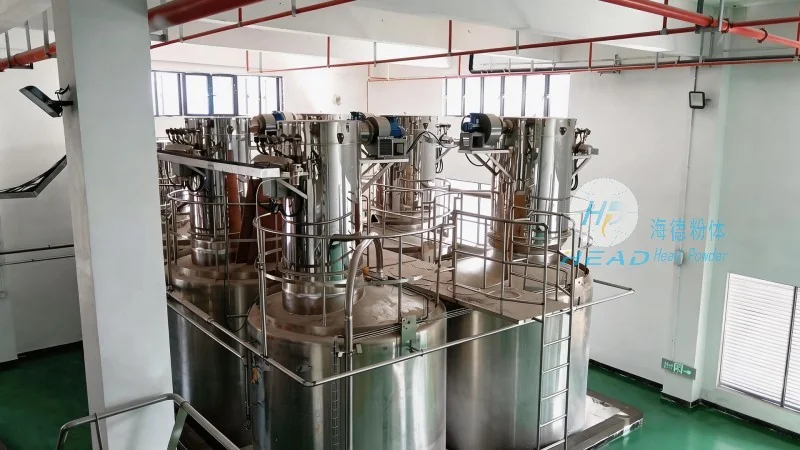
Advantages of Silicate Material Handling Systems
Implementing silicate material handling systems offers several advantages for industrial operations. These benefits include: 1) Increased Efficiency: Automated systems reduce manual labor and minimize downtime, leading to higher production throughput. 2) Improved Safety: Robust control systems and safety features prevent accidents and ensure compliance with regulations. 3) Enhanced Product Quality: Precise material flow and temperature control improve the quality of the final product, reducing defects and waste. 4) Cost Savings: Efficient operation reduces energy consumption and maintenance costs, resulting in long-term financial benefits. 5) Scalability: Silicate material handling systems can be easily scaled to accommodate growing production demands, providing flexibility for expanding operations.
Conclusion
HeadPowder's expertise in designing and implementing silicate material handling systems ensures that industrial operations can achieve optimal performance and efficiency. By understanding the core principles and operational scenarios of these systems, companies can select the most suitable solutions to meet their specific needs. With a focus on durability, reliability, and innovation, silicate material handling systems continue to play a critical role in modern industrial processes, supporting the production of essential materials like cement, ceramics, and glass.