

Principle and Application Scenarios of Vacuum Material Handling and Conveying Equipment
HeadPowder, a leading manufacturer based in Shandong, China, specializes in the design, development, and production of advanced vacuum material handling systems. These systems are engineered to efficiently transport various bulk materials, such as powders, granules, and small particles, from storage to processing areas in industrial settings. The core technology behind these devices is vacuum suction, which enables precise and controlled movement of materials without the need for mechanical contact or complex mechanisms.
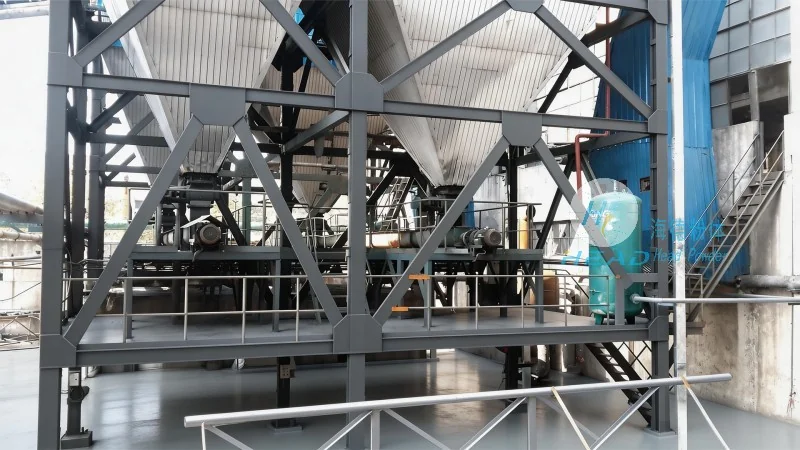
Working Principle of Vacuum Material Handling Equipment
The fundamental principle of vacuum material handling equipment is the creation of a pressure differential between the suction head and the material source. By generating a negative pressure (vacuum) at the intake point, the system draws the material into the conveying line. The equipment typically consists of a vacuum pump, a suction nozzle or head, a conveying tube, and a control unit. The vacuum pump produces the necessary suction force, while the suction head is designed to efficiently capture the material from the source. The conveying tube transports the material to the discharge point, where the pressure is restored to atmospheric levels, allowing the material to be released. This process is highly efficient and can handle a wide range of materials, including those that are dusty, abrasive, or sensitive to mechanical handling.
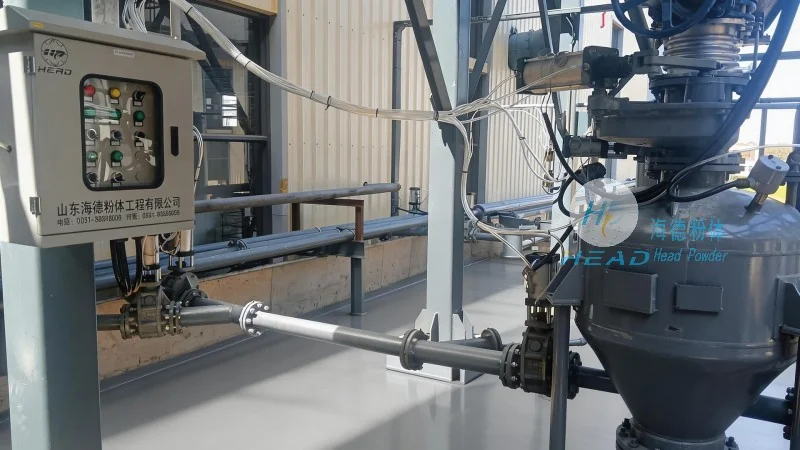
Key Features and Advantages
Vacuum material handling systems offer several advantages over traditional mechanical conveying methods. Firstly, they provide a clean and dust-free operation, which is crucial in industries where contamination control is essential, such as pharmaceuticals, food processing, and electronics manufacturing. Secondly, the equipment is gentle on the material, minimizing particle breakage and preserving the integrity of the product. This is particularly important for delicate powders or fragile granules. Thirdly, the system is flexible and can be easily integrated into existing production lines, allowing for adjustments in conveyor length, height, and direction. Additionally, vacuum conveying systems are energy-efficient and can operate with lower maintenance costs compared to other conveying methods.
Common Application Scenarios
Vacuum material handling equipment is widely used in various industrial applications across different sectors. In the pharmaceutical industry, these systems are employed to transport raw materials and finished products, ensuring compliance with stringent hygiene and quality standards. In the food processing sector, they are used for handling ingredients like flour, sugar, and spices, maintaining food safety and preventing cross-contamination. The electronics industry benefits from vacuum conveying for transporting fine powders used in circuit board manufacturing, where precision and cleanliness are paramount. Additionally, in the chemical and chemical engineering fields, vacuum systems are utilized to handle abrasive and corrosive materials, such as cement, limestone, and chemicals, while protecting the equipment and operators from exposure. The versatility of vacuum material handling systems makes them suitable for a broad range of applications, from small-scale laboratory operations to large-scale industrial production lines.
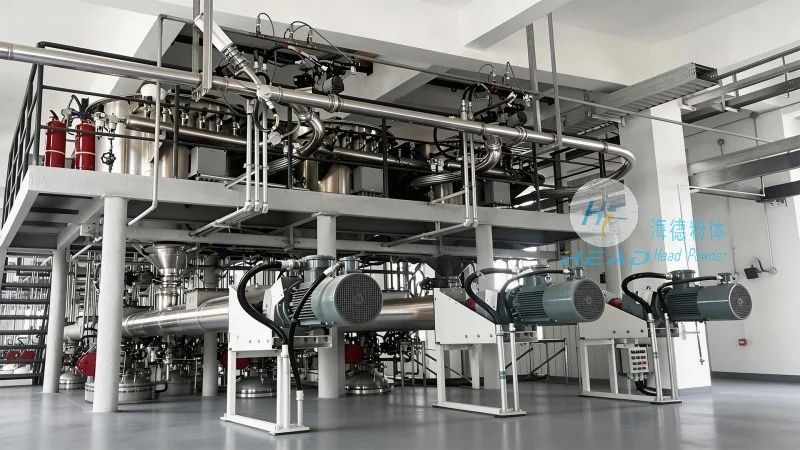
Conclusion
HeadPowder's vacuum material handling and conveying equipment represents a sophisticated solution for efficient and reliable material transport in modern industrial environments. By leveraging advanced vacuum technology, these systems offer superior performance, flexibility, and cost-effectiveness. With a strong presence in Shandong, China, HeadPowder continues to innovate and provide tailored solutions to meet the diverse needs of its clients, ensuring optimal material handling processes across various industries.