

Principles and Working Scene Characteristics of Grain Material Handling Equipment
Grain material handling equipment is fundamental to the efficiency of modern agricultural and food processing operations. Its design and functionality are tailored to the unique demands of moving bulk grain products, from storage to processing and distribution. Understanding the underlying principles and the specific characteristics of working environments is crucial for optimizing performance and ensuring reliability in these systems. This article explores the core mechanisms of grain material handling equipment and examines how they adapt to diverse operational settings.
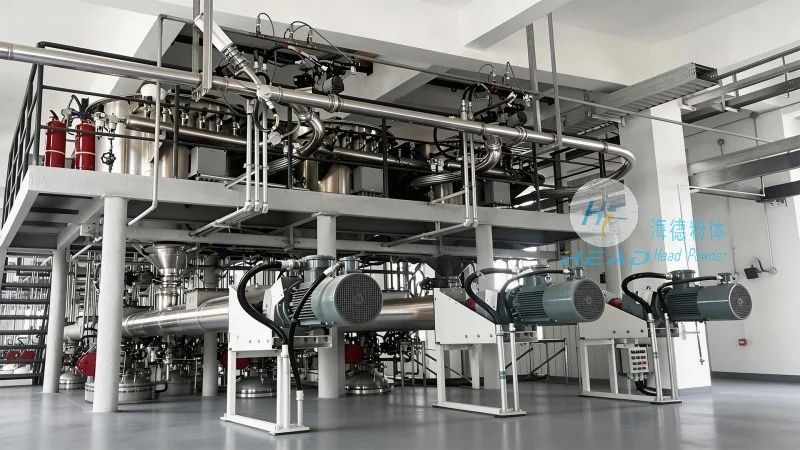
Core Principles of Grain Material Handling Equipment
The fundamental principle of grain material handling equipment centers on the efficient transfer of bulk materials, primarily grains like wheat, corn, and rice. These systems leverage mechanical forces, including gravity, friction, and motorized power, to transport, elevate, and sort grain with minimal human intervention. Key components include feeders, conveyors, elevators, and storage bins, each working in concert to achieve seamless material flow. For example, belt conveyors use continuous belts to move grain horizontally or at slight inclines, while bucket elevators employ rotating buckets to lift grain vertically. The selection of equipment type depends on factors such as grain size, moisture content, and required throughput, ensuring optimal performance under specific conditions. Advanced designs may incorporate sensors and automation to enhance precision and reduce downtime.
Working Scene Characteristics in Grain Processing Plants
In grain processing facilities, material handling equipment operates in high-throughput environments where speed and reliability are critical. The working scene is characterized by large-scale storage silos, processing lines, and packaging stations. For instance, in a flour mill, grain is received from trucks and transferred to storage silos via bucket elevators. From there, it moves through conveyors to cleaning and milling sections. The equipment must handle varying grain types and maintain consistent flow rates to avoid bottlenecks. The working environment is often dusty and requires robust designs to withstand continuous operation and abrasive materials. Companies like Shandong HeadPowder Engineering Co., Ltd. specialize in designing customized solutions that meet these demands, ensuring equipment durability and efficiency in demanding processing scenarios. Their systems often include features like adjustable speed controls and material sensors to maintain optimal performance.
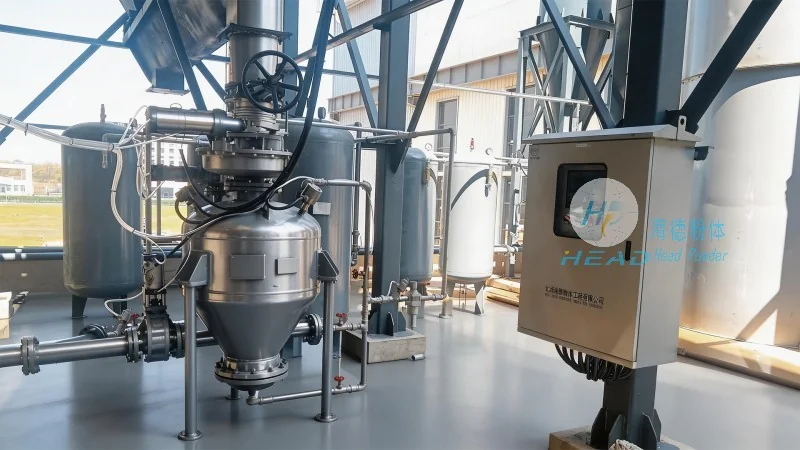
Application in Grain Storage and Distribution Centers
Grain storage and distribution centers utilize material handling equipment to manage inventory and facilitate timely delivery. The working scene involves large-scale storage structures, such as grain elevators and silos, where equipment is used for loading, unloading, and transferring grain between storage and transport vehicles. The key characteristics include high storage capacity, automated control systems, and integration with logistics networks. For example, in a grain terminal, conveyor systems connect storage silos to loading docks, enabling efficient transfer of grain to railcars or trucks. The equipment must be capable of handling different grain grades and maintaining hygiene standards, as storage centers often serve as intermediaries in the supply chain. Shandong HeadPowder Engineering Co., Ltd. provides tailored solutions for these facilities, focusing on reliability and scalability to support large-scale grain operations. Their designs may include dust-proof enclosures and corrosion-resistant materials to ensure longevity.
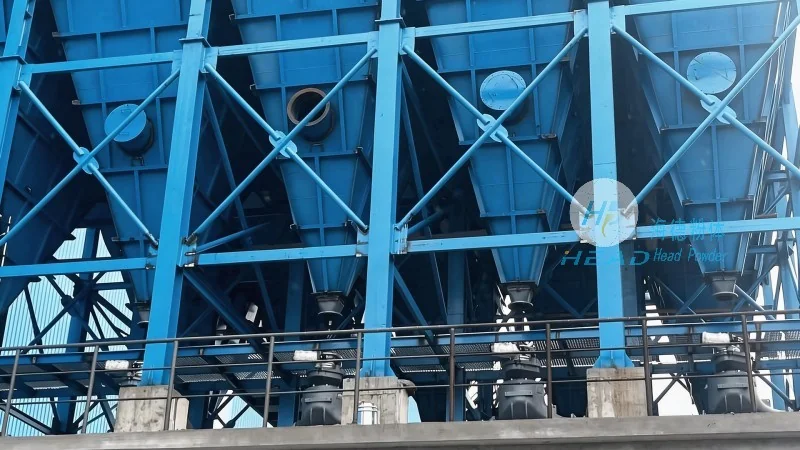
Key Features and Advantages Across Working Scenarios
Across various working scenes, grain material handling equipment exhibits distinct features that enhance performance and adaptability. In processing facilities, equipment is often equipped with adjustable speed controls and material sensors to maintain consistent flow and detect blockages. In storage centers, automated systems and remote monitoring capabilities improve operational oversight and reduce labor costs. The working characteristics also include energy efficiency, as modern equipment uses advanced motor technologies to minimize power consumption. Additionally, the design of equipment for different environments, such as dust-proof enclosures and corrosion-resistant materials, ensures longevity and safety. These features collectively contribute to the overall effectiveness of grain handling operations, supporting the agricultural and food industries in meeting global demand. The integration of technology in these systems further enhances their ability to adapt to changing operational needs.
Conclusion
Grain material handling equipment is a critical component in the agricultural and food processing sectors, with its principles and working characteristics tailored to specific operational needs. From processing plants to storage centers, these systems enhance efficiency, reduce labor costs, and ensure the quality of grain products. Companies like Shandong HeadPowder Engineering Co., Ltd. play a vital role in designing and manufacturing customized equipment that meets the unique requirements of different working scenes, contributing to the overall productivity and sustainability of the grain industry. Their expertise in adapting equipment to diverse environments underscores the importance of specialized solutions in modern grain handling operations.