

Principle and Working Scene Characteristics of Electric Lime Powder Material Handling Equipment
Electric lime powder material handling equipment, a specialized industrial conveying system, is essential for the efficient transport of lime powder in various manufacturing processes. This equipment is engineered to handle the unique properties of lime powder, including its fine particle size, hygroscopic nature, and potential for dust generation, ensuring safe and reliable material movement. Developed by Shandong HeadPowder Engineering Co., Ltd., a leading provider of material handling solutions based in China, this equipment adheres to high standards of performance and safety. The following sections will explore the fundamental principles of operation and the specific working scene characteristics of this equipment, offering a comprehensive overview of its functionality and practical applications.
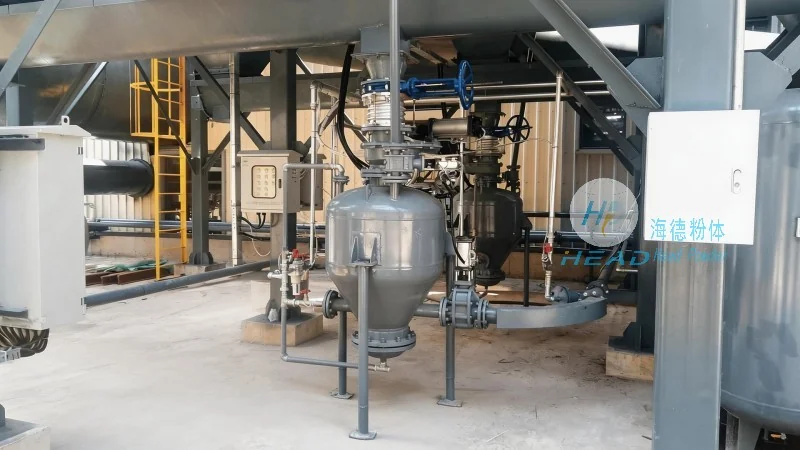
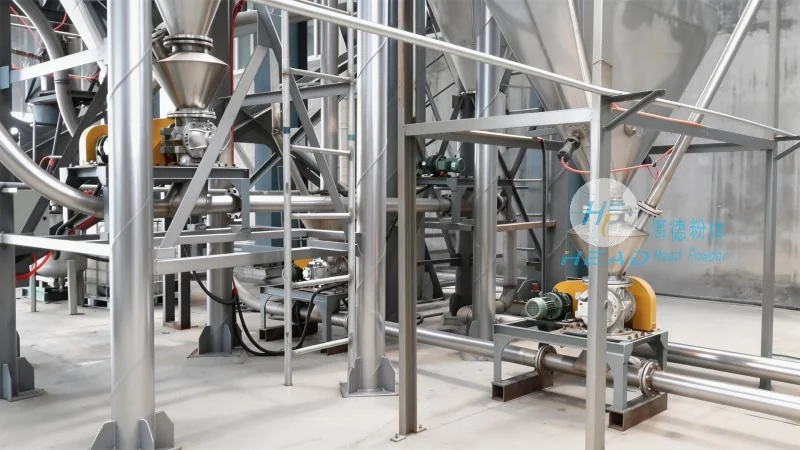
Principle of Operation for Electric Lime Powder Material Handling Equipment
The core principle of electric lime powder material handling equipment is to utilize mechanical forces to move lime powder from the source to the destination while maintaining the material's integrity and preventing contamination. The system typically consists of several key components, including a feeding mechanism, a conveying tube or channel, and a control system. The feeding mechanism, often equipped with a hopper or feeder, ensures a consistent and controlled flow of lime powder into the conveying system. This is critical for preventing blockages and maintaining the efficiency of the entire process. The conveying tube, usually made of materials resistant to lime powder's corrosive and abrasive properties, may employ different technologies such as pneumatic conveying (air-assisted) or mechanical screw conveyors, depending on the specific application requirements. The control system, integrated with sensors and automation features, monitors the flow rate, pressure, and temperature to ensure optimal performance and safety. For instance, in pneumatic conveying systems, compressed air is used to create a flow that carries the powder through the tube, while mechanical conveyors rely on rotating screws or belts to move the material. The selection of the appropriate technology depends on factors like the material's characteristics, the distance to be conveyed, and the required throughput. The overall principle is to create a seamless and continuous movement of lime powder, minimizing downtime and maximizing productivity in industrial settings.
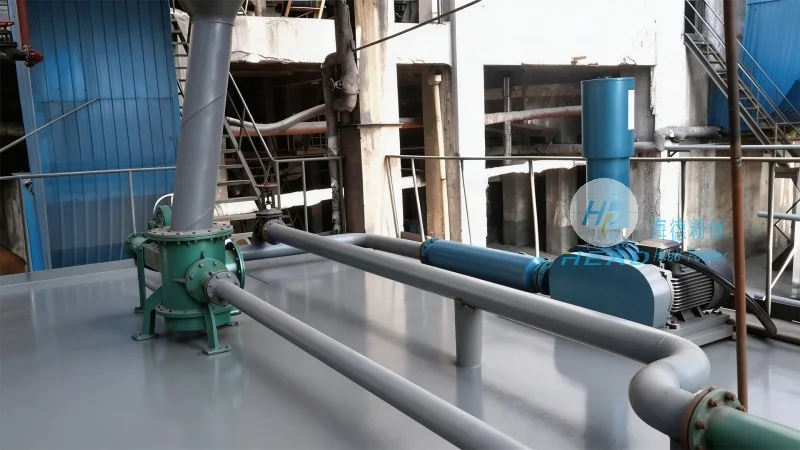
Working Scene Characteristics of Electric Lime Powder Material Handling Equipment
The working scene characteristics of electric lime powder material handling equipment are tailored to meet the demands of various industrial environments where lime powder is processed or used. These characteristics include adaptability to different production scales, integration with existing industrial systems, and compliance with safety and environmental regulations. In large-scale manufacturing facilities, such as cement plants or chemical production sites, the equipment is often integrated into a larger material handling network, connecting raw material storage, processing units, and product packaging areas. The flexibility of the system allows it to handle varying production rates, from low to high throughput, by adjusting the feeding rate and conveying speed. For example, in a cement production line, the equipment may be used to transport lime powder from storage silos to the kiln or to the mixing stage, ensuring a steady supply of raw material. In smaller industrial applications, such as food processing or pharmaceutical manufacturing, the equipment is designed to handle more precise and controlled quantities, with features like variable speed drives and precise dosing mechanisms. The working scene also includes considerations for dust control and environmental protection, as lime powder can be a fine particulate that poses health and safety risks. Therefore, the equipment is often equipped with dust collection systems and sealed conveying components to minimize emissions and maintain a clean working environment. Additionally, the equipment's design may incorporate features for easy maintenance and cleaning, such as removable parts and self-cleaning mechanisms, to ensure long-term reliability and operational efficiency. The working scene characteristics highlight the equipment's versatility and its ability to adapt to diverse industrial needs, making it a vital component in modern material handling operations.
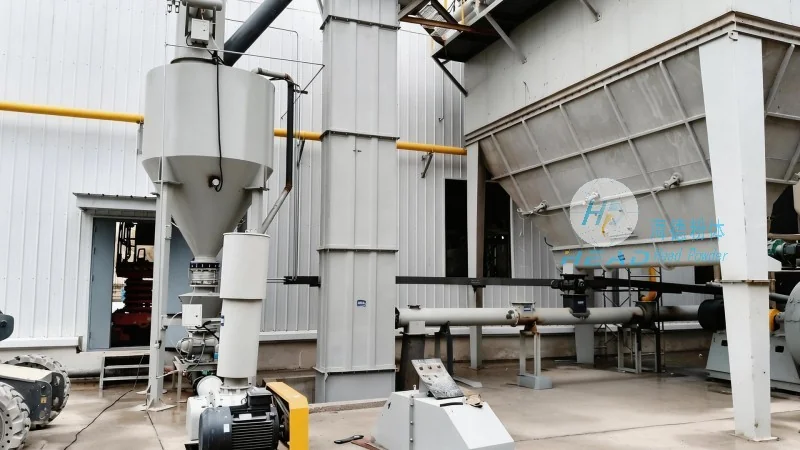
Advantages of Electric Lime Powder Material Handling Equipment
Electric lime powder material handling equipment offers several advantages that make it a preferred choice in industrial applications. One of the key advantages is its ability to handle fine and hygroscopic materials like lime powder without causing blockages or degradation. The equipment's design minimizes the risk of material buildup and ensures consistent flow, which is crucial for maintaining the quality of the final product. Another advantage is the energy efficiency of the system, particularly in pneumatic conveying systems where compressed air is used to move the material. The use of electric motors and advanced control systems allows for precise energy management, reducing operational costs and environmental impact. The equipment also provides high throughput and reliability, with minimal downtime due to its robust construction and automated control features. For instance, in continuous production processes, the equipment can operate 24/7 with minimal maintenance, ensuring uninterrupted supply of lime powder. Furthermore, the equipment's compact design and modular components make it easy to install and integrate into existing facilities, reducing installation time and costs. The safety features, such as emergency stop buttons, overload protection, and dust suppression systems, enhance the operational safety of the equipment, protecting both personnel and the environment. These advantages collectively contribute to the equipment's effectiveness in improving production efficiency and maintaining product quality in various industrial sectors.