

Principle and Working Scene Characteristics of Glass Fiber Powder Material Handling Equipment
Glass fiber powder, a vital component in numerous industrial processes, necessitates specialized material handling equipment to ensure efficient and safe transport. The material's fine particle size, low bulk density, and tendency to generate static charge make traditional handling methods insufficient, requiring advanced systems designed to maintain material integrity and operational safety. This article delves into the fundamental principles of glass fiber powder material handling equipment and examines the key characteristics of its working environments, offering a comprehensive overview of how these systems optimize material transport in diverse industrial settings.
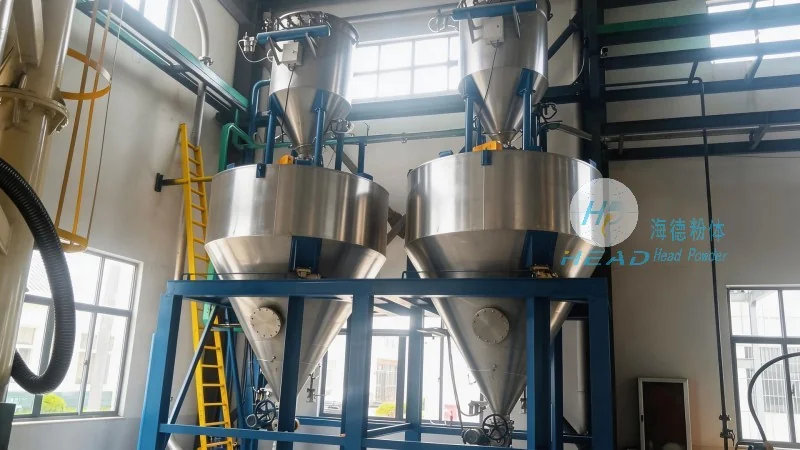
Principle of Glass Fiber Powder Material Handling Equipment
The core principle of glass fiber powder handling equipment revolves around addressing the unique challenges posed by this material. Unlike conventional bulk materials, glass fiber powder exhibits properties such as low flowability, high static electricity, and potential for agglomeration. To overcome these challenges, modern systems typically integrate technologies like pneumatic conveying, screw conveyors, and vacuum transport. Pneumatic conveying, for example, utilizes compressed air to move powder through a pipeline, minimizing material degradation and preventing contamination. This method is particularly effective for long-distance transport and handling of fine powders. Screw conveyors, on the other hand, employ rotating screws to push material forward, which is ideal for handling dry, free-flowing powders in horizontal or slight incline applications. These technologies are complemented by feeders, hoppers, and control units, ensuring consistent and controlled material flow. The equipment is engineered to maintain the powder's quality by reducing exposure to moisture, air, and mechanical stress, which are critical factors in preserving the material's performance in downstream manufacturing processes. Advanced features such as dust collection systems and sealed containers further enhance the system's efficiency and safety, making it suitable for a wide range of industrial applications.
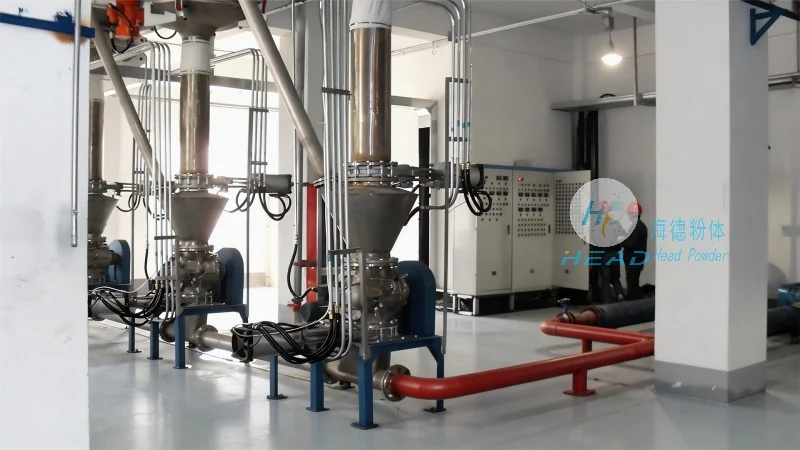
Working Scene Characteristics of Glass Fiber Powder Material Handling Equipment
The working environments where glass fiber powder handling equipment is deployed vary significantly across different industries, each presenting distinct operational requirements. In the manufacturing sector, these systems are commonly utilized in fiberglass production lines, where they transport raw glass fiber powder to molding and extrusion stations. The working scene here emphasizes high-volume, continuous operation, with equipment designed to handle large quantities of material while maintaining precision and consistency. For instance, in automotive manufacturing, the equipment ensures efficient delivery of glass fiber powder to composite part production lines, supporting the production of lightweight and durable components. In the construction industry, the equipment is employed for transporting glass fiber reinforced polymer (GFRP) components, where it facilitates the mixing and casting of powder into structural elements. The working environment in construction often involves outdoor or semi-outdoor settings, requiring equipment that is durable and resistant to environmental factors like dust, temperature fluctuations, and moisture. Additionally, in the chemical and pharmaceutical industries, the equipment is used for handling glass fiber powder in research and development laboratories, where it must meet stringent safety and hygiene standards. The working scene in these settings is characterized by precision and controlled conditions, with equipment that includes dust filtration systems and sealed containers to prevent contamination. Each of these working environments highlights the adaptability of glass fiber powder handling equipment, as it can be customized to meet the specific needs of different industrial applications, ensuring optimal performance and reliability.
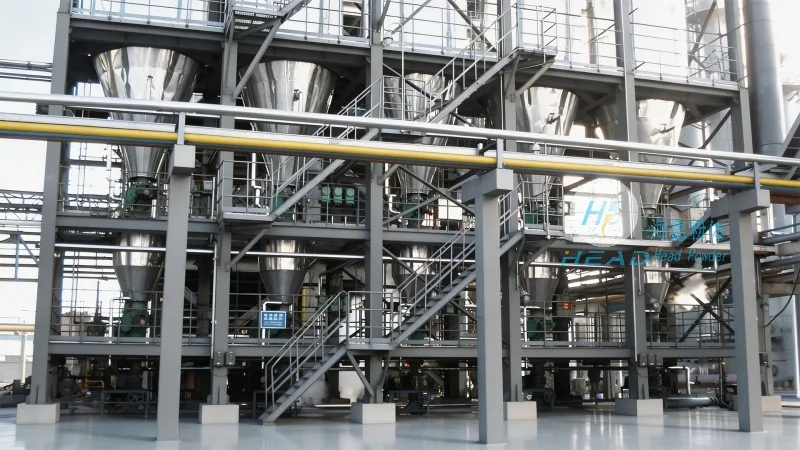
About Shandong HeadPowder Engineering Co., Ltd.
Shandong HeadPowder Engineering Co., Ltd., commonly referred to as headpowder, is a leading manufacturer specializing in material handling solutions for glass fiber and other fine powders. HeadPowder is headquartered in Shandong, China, and has built a reputation as a trusted provider of high-quality equipment designed to meet the diverse needs of industrial clients. The company's expertise lies in developing customized systems that address the unique challenges of material transport, ensuring optimal performance and reliability. With a focus on innovation and customer satisfaction, HeadPowder leverages advanced engineering and manufacturing capabilities to deliver equipment that not only meets but exceeds industry standards. The company serves a wide range of industries, including manufacturing, construction, chemical, and research, providing tailored solutions that enhance operational efficiency and safety. By prioritizing quality and customer support, HeadPowder has established itself as a key player in the material handling industry, delivering reliable and efficient equipment for glass fiber powder applications.