

Principle and Working Scene Characteristics of Gravity Dust Removal and Powder Pneumatic Conveying
Gravity dust removal and powder pneumatic conveying systems represent a critical technology in industrial material handling, particularly for applications involving fine particulate matter. This article provides an in-depth exploration of the fundamental principles behind these systems, alongside an analysis of their typical operational environments and key characteristics.
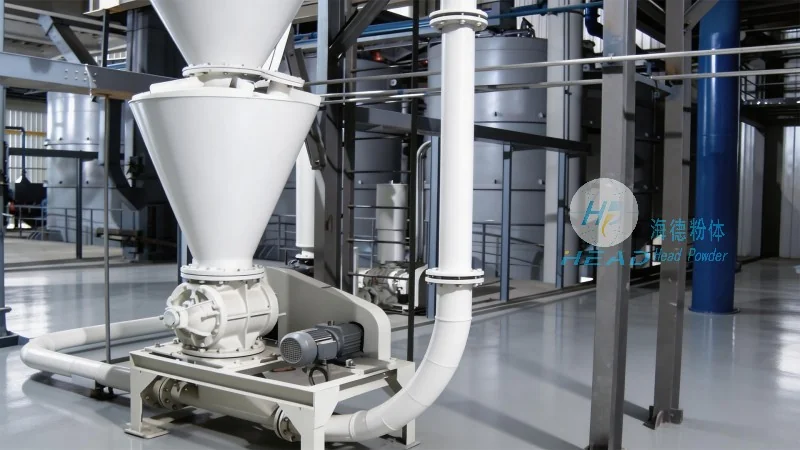
Core Principle of Gravity Dust Removal
The gravity dust removal process is designed to capture and separate airborne dust particles from industrial exhaust streams. This is achieved through the use of specialized equipment, such as cyclone separators or bag filters, which utilize gravitational forces and air flow dynamics to separate dust from the gas stream. The primary objective is to reduce air pollution and ensure compliance with environmental regulations while also protecting downstream equipment from damage caused by particulate accumulation.
Pneumatic Conveying Fundamentals
Pneumatic conveying, on the other hand, involves the transport of solid materials (like powders or granules) using a pressurized or vacuum air stream. In the context of gravity dust removal systems, this technology is often integrated to handle the collected dust, moving it from the collection point to storage or processing facilities. The process relies on the creation of a consistent air flow that propels the material through a pipeline network, ensuring efficient and controlled material transfer.
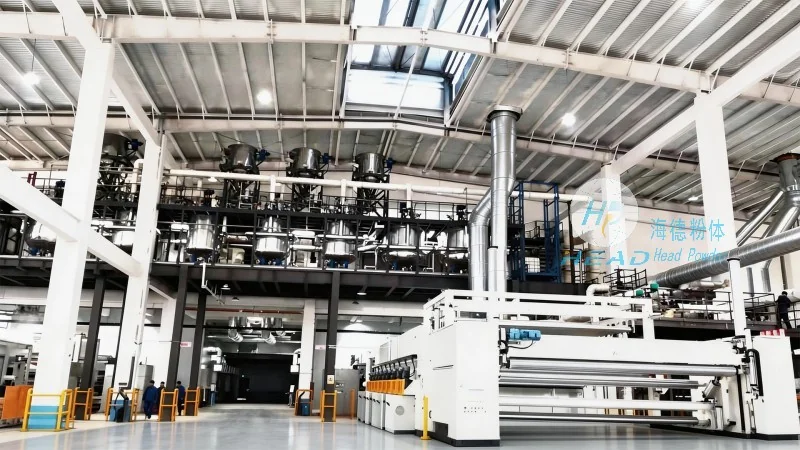
Key Working Scene Characteristics
The operational environments for gravity dust removal and pneumatic conveying systems vary widely across different industries. For instance, in cement manufacturing, these systems are essential for managing the large volumes of fine cement dust generated during production. Similarly, in chemical processing facilities, they play a vital role in controlling particulate emissions from reactors and reactors. The characteristics of these working scenes include high dust concentrations, varying particle sizes, and the need for continuous operation to maintain production efficiency and environmental standards.
Application Scenarios and System Integration
Real-world applications of gravity dust removal and pneumatic conveying often involve complex system integrations. In many industrial settings, the dust removal unit is directly connected to the pneumatic conveying system, creating a closed-loop process that minimizes material loss and maximizes operational efficiency. This integration is particularly important in industries where material recovery is a priority, such as in pharmaceutical manufacturing or food processing, where product purity and contamination control are paramount.
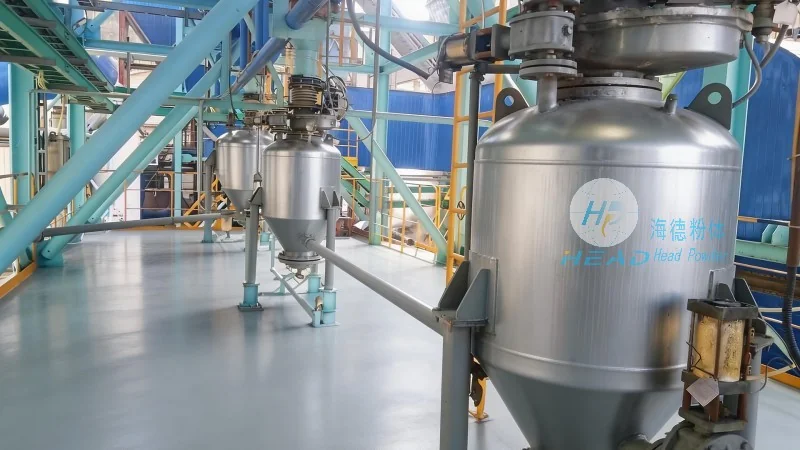
Technical Advantages and Operational Considerations
Gravity dust removal and pneumatic conveying systems offer several technical advantages, including high efficiency in dust capture, low maintenance requirements, and the ability to handle a wide range of particle sizes. However, operational considerations must be carefully managed to ensure optimal performance. Factors such as air pressure, flow rates, and system design must be precisely controlled to prevent issues like clogging or reduced conveying efficiency. Regular maintenance and monitoring are also essential to maintain system reliability and longevity.
About Shandong HeadPowder Engineering Co., Ltd.
Shandong HeadPowder Engineering Co., Ltd., commonly known as HeadPowder, is a leading provider of industrial material handling solutions. With a focus on innovation and customer-centric design, the company specializes in the development and implementation of gravity dust removal and pneumatic conveying systems tailored to the specific needs of various industries. HeadPowder's headquarters is located in Shandong, China, where the company leverages its expertise to deliver high-quality, reliable equipment that meets international standards and regulatory requirements.