

Principle and Working Scene Characteristics of Pneumatic Conveying for Ferrous Sulfate Powder
HeadPowder, a leading provider in powder handling technology, specializes in the efficient and reliable transport of ferrous sulfate powder through pneumatic conveying systems. This article explores the fundamental principles behind this method and highlights the key characteristics of its operational environments.
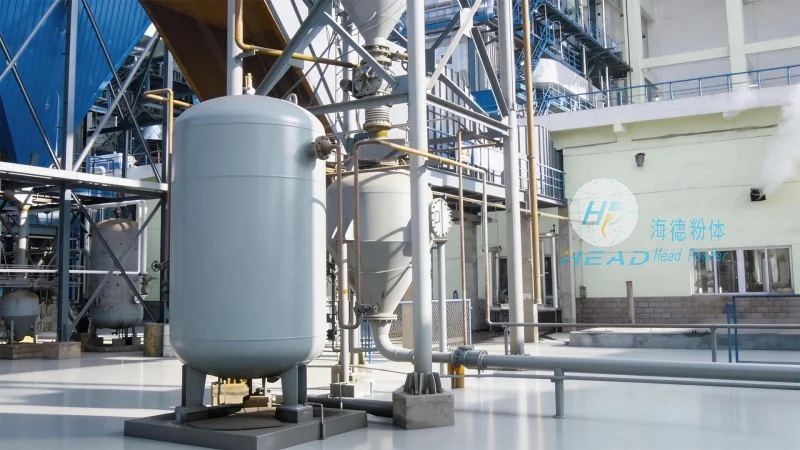
Principle of Pneumatic Conveying for Ferrous Sulfate Powder
Pneumatic conveying, also known as air conveying, is a process that uses pressurized or suction air to transport bulk powders like ferrous sulfate. The core mechanism involves creating a flow of air that lifts and moves the powder particles through a pipeline. In a typical system, a blower or compressor generates the necessary air pressure, which is then directed into the conveying line. As air flows through the pipe, it entrains the ferrous sulfate particles, forming a dense mixture known as a slurry or a dilute phase stream. The velocity of the air is critical; it must be sufficient to overcome the gravitational force acting on the powder particles while maintaining a stable flow without causing excessive wear or degradation of the material.
Key Components and System Design
The effectiveness of a pneumatic conveying system for ferrous sulfate powder depends on several key components. These include the air source (blower or compressor), the conveying line (usually made of stainless steel or other corrosion-resistant materials to handle the acidic nature of ferrous sulfate), and the separation equipment such as cyclones or filters. The system design must consider factors like particle size distribution, moisture content, and the specific handling requirements of the ferrous sulfate. For instance, if the powder is hygroscopic or has a tendency to agglomerate, additional equipment like a de-agglomerator or a drying unit may be integrated into the system to ensure optimal conveying performance.
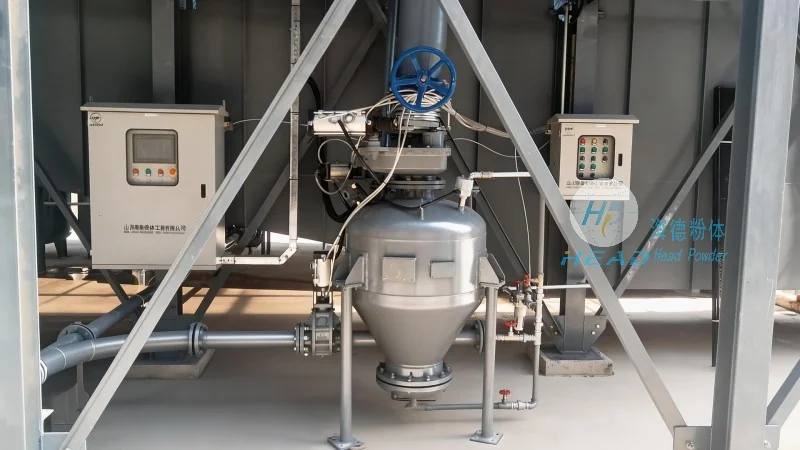
Working Scene Characteristics of Pneumatic Conveying
The operational environments where pneumatic conveying of ferrous sulfate powder is applied exhibit distinct characteristics that influence system performance and efficiency. These environments often involve industrial settings such as chemical plants, water treatment facilities, or manufacturing sites where large quantities of ferrous sulfate need to be moved from storage to processing units or from production lines to storage areas. The key characteristics include high throughput requirements, the need for dust-free or controlled environment transport, and the requirement for minimal product degradation. For example, in water treatment plants, ferrous sulfate is used as a coagulant to remove impurities from water, and the pneumatic conveying system must ensure that the powder is delivered to the treatment tanks without loss or contamination. Similarly, in industrial manufacturing, the system may need to transport the powder to mixing or blending equipment, where consistent dosing is crucial for product quality.
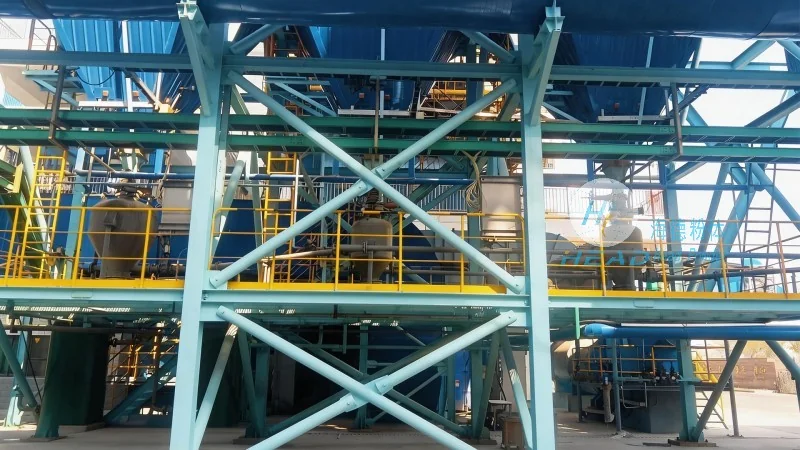
Advantages and Considerations in Pneumatic Conveying
Implementing pneumatic conveying for ferrous sulfate powder offers several advantages, including the ability to transport materials over long distances, the flexibility to handle varying flow rates, and the reduced need for manual handling, which enhances safety and operational efficiency. However, there are also considerations to keep in mind. The system requires regular maintenance to ensure the blower, conveying lines, and separation equipment operate efficiently. Additionally, the cost of the system and the energy consumption must be evaluated, especially for large-scale operations. The choice between positive pressure and negative pressure systems also plays a role, with positive pressure systems being more common for ferrous sulfate due to their ability to handle abrasive or corrosive materials effectively.
Conclusion
HeadPowder Engineering Co., Ltd., based in Shandong, China, provides comprehensive solutions for pneumatic conveying of ferrous sulfate powder, leveraging advanced technology and expertise to meet the diverse needs of industrial applications. By understanding the principles and characteristics of pneumatic conveying, industries can optimize their material handling processes, ensuring efficient and reliable transport of ferrous sulfate while maintaining product quality and operational safety.