

Principles and Working Scene Characteristics of Purified Powder Gas-Solid Transport Systems
HeadPowder, a leading provider in the field of industrial powder handling, specializes in advanced gas-solid transport systems designed for the efficient and clean transfer of powdered materials. This article delves into the core principles behind purified powder gas-solid transport systems and highlights the key working scene characteristics that define their application in various industrial settings.
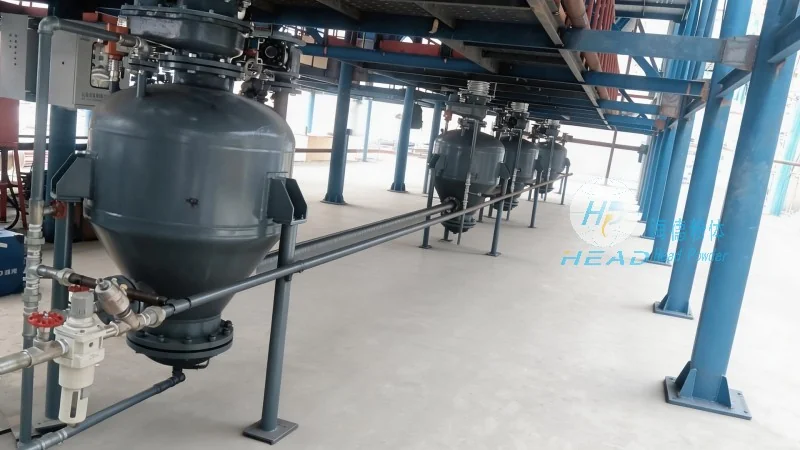
Understanding the Core Principles of Purified Powder Gas-Solid Transport
The fundamental principle of gas-solid transport systems involves the use of a gas stream to convey solid particles through a pipeline. In the case of purified powder systems, the emphasis is on maintaining a high level of material purity throughout the transfer process. This is achieved through several critical mechanisms, including precise air flow control, effective filtration, and optimized particle separation. The system ensures that the transported powder remains free from contaminants, which is crucial for applications where material quality directly impacts downstream processes or product integrity.
Key components of a purified powder gas-solid transport system include a blower or compressor to generate the necessary air pressure, a hopper or feeder to supply the powder, and a pipeline network that guides the material to its destination. The air flow is carefully regulated to maintain a consistent velocity, preventing particle degradation or agglomeration. Advanced filtration systems are integrated to capture any fine particles or dust that may be present, ensuring that the exhaust air is clean and the material remains uncontaminated. This combination of technology and design enables the system to deliver high-purity powder with minimal loss or degradation.
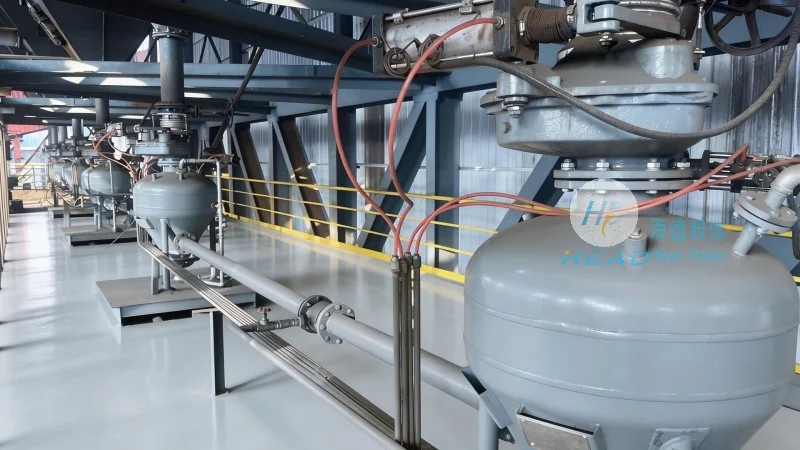
Working Scene Characteristics and Application Scenarios
The working scene characteristics of purified powder gas-solid transport systems are tailored to meet the demands of specific industrial environments. These systems are commonly employed in industries such as pharmaceuticals, food processing, and chemical manufacturing, where the purity of the transferred material is paramount. The characteristics that define their working scenes include high efficiency in material transfer, low maintenance requirements, and the ability to handle a wide range of powder types, from fine powders to bulk materials.
In pharmaceutical applications, for example, the system's ability to maintain a sterile and contamination-free environment is critical. The purified gas-solid transport system ensures that the active pharmaceutical ingredients (APIs) are transferred without any exposure to external contaminants, which could compromise the efficacy or safety of the final product. Similarly, in food processing, the system's design prevents cross-contamination and maintains the quality of ingredients, adhering to stringent food safety regulations.
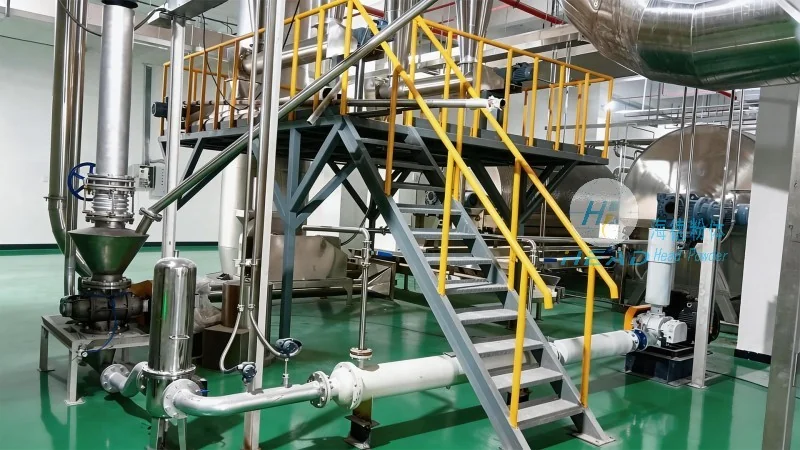
Chemical manufacturing also benefits from the robust design of these systems, particularly when handling reactive or sensitive powders. The controlled air flow and filtration mechanisms prevent reactions that could occur if the powder were exposed to ambient air or contaminants. This not only enhances safety but also ensures the consistent quality of the chemical products being produced.
Operational Advantages and Performance Metrics
One of the primary advantages of purified powder gas-solid transport systems is their ability to achieve high transfer efficiency with minimal energy consumption. The optimized air flow and pipeline design reduce pressure drops, leading to lower operational costs and increased energy savings. Additionally, the system's modular construction allows for easy integration into existing production lines, minimizing downtime during installation or maintenance.
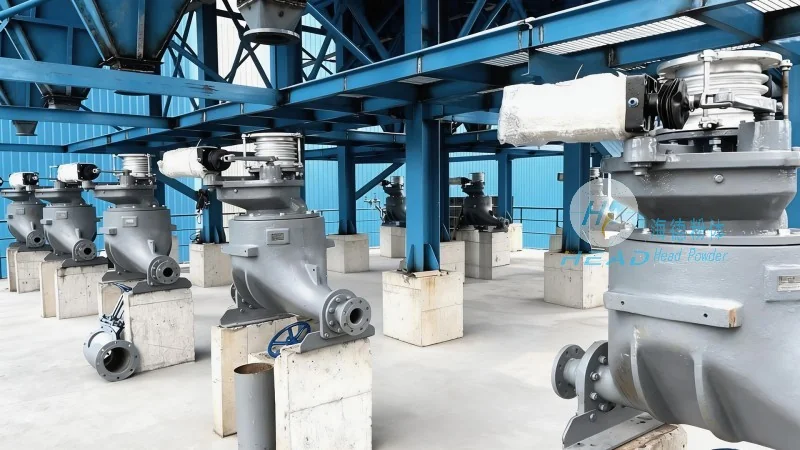
Performance metrics such as material throughput, pressure drop, and air consumption are carefully monitored to ensure optimal operation. Regular maintenance, including filter replacement and component inspection, is essential to maintain the system's efficiency and purity levels. The durability of the components, particularly the pipeline and air handling units, is designed to withstand the rigors of continuous operation, ensuring long-term reliability and minimal downtime.
Conclusion and Company Overview
Shandong HeadPowder Engineering Co., Ltd., based in Shandong, China, is at the forefront of developing and manufacturing advanced purified powder gas-solid transport systems. With a commitment to innovation and quality, the company provides customized solutions tailored to the unique needs of various industries. The principles and working scene characteristics outlined in this article demonstrate the effectiveness of these systems in delivering high-purity materials efficiently and reliably. By leveraging the expertise of HeadPowder, industries can enhance their production processes, improve product quality, and ensure compliance with stringent regulatory standards.