

The Principle and Working Scene Characteristics of Bauxite Powder Pneumatic Conveying Lines
Bauxite powder, a key raw material in the production of aluminum and other industrial applications, requires efficient and reliable transportation methods to ensure smooth operational processes. Pneumatic conveying lines, a technology that uses air or gas to transport powders and bulk materials through pipelines, have become a preferred solution for handling bauxite powder due to their ability to maintain material integrity, minimize dust emissions, and enhance overall process efficiency. This article explores the fundamental principles behind bauxite powder pneumatic conveying lines and highlights the key characteristics of their operational scenarios, providing insights into how such systems are designed and utilized in industrial settings.
The Core Principles of Pneumatic Conveying for Bauxite Powder
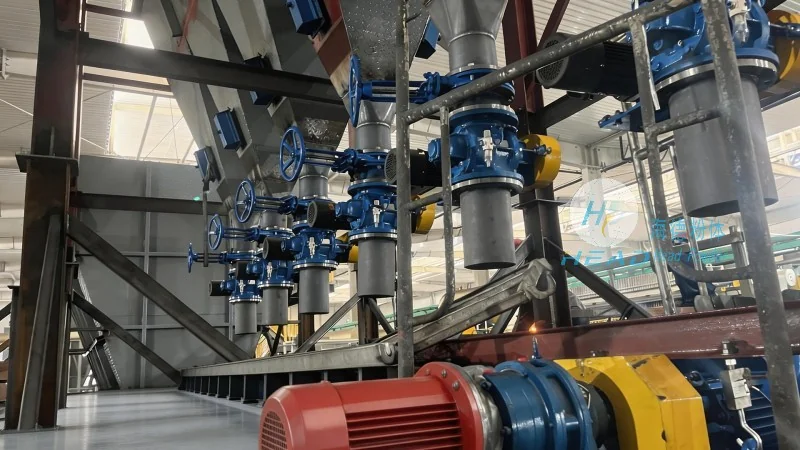
The operation of bauxite powder pneumatic conveying lines is based on the principles of fluidization and gas-solid flow. In a pneumatic conveying system, air is introduced into a pipeline at a controlled velocity, creating a flow that lifts and transports the bauxite powder particles. Two primary types of pneumatic conveying systems are commonly used: the suction (or negative pressure) system and the pressure (or positive pressure) system. The suction system draws material from a hopper or storage silo into the pipeline using a vacuum, while the pressure system forces material through the pipeline using compressed air. For bauxite powder, which is often fine and prone to agglomeration, the choice of system depends on factors such as material flow rate, distance, and the need for dust control. The system design typically includes components like a hopper, feeder, pipeline, and receiver, each playing a critical role in maintaining the stability and efficiency of the conveying process.
Key Working Scene Characteristics of Bauxite Powder Pneumatic Conveying Lines
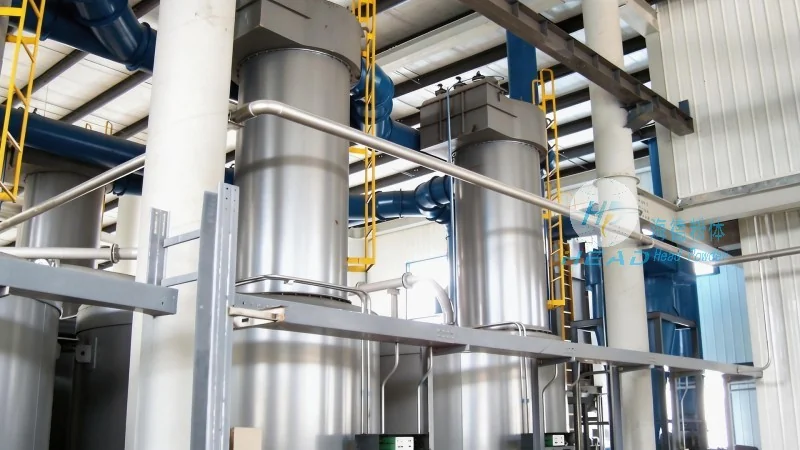
The operational scenarios of bauxite powder pneumatic conveying lines are characterized by several distinct features that impact their performance and application. Firstly, the system's ability to handle fine powders without significant blockages or clogging is crucial, as bauxite powder can have particle sizes ranging from microns to millimeters. The design of the hopper and feeder, including features like a rotary valve or screw feeder, ensures a consistent and controlled feed rate, preventing material buildup and maintaining system efficiency. Secondly, the system's energy consumption and operational costs are important considerations, as pneumatic conveying can be more energy-intensive than other methods like belt conveyors. However, the benefits of reduced labor costs, improved safety (by minimizing manual handling), and better dust control often outweigh these costs. Thirdly, the system's scalability and adaptability to different production volumes and plant layouts are significant advantages. Bauxite powder pneumatic conveying lines can be easily expanded or reconfigured to accommodate changes in production demand or facility expansions, making them a flexible solution for industrial operations. Additionally, the system's ability to integrate with other process equipment, such as grinding mills or classifiers, allows for seamless material flow within the production line, enhancing overall process integration and efficiency.
Applications and Industry Integration of Bauxite Powder Pneumatic Conveying Lines
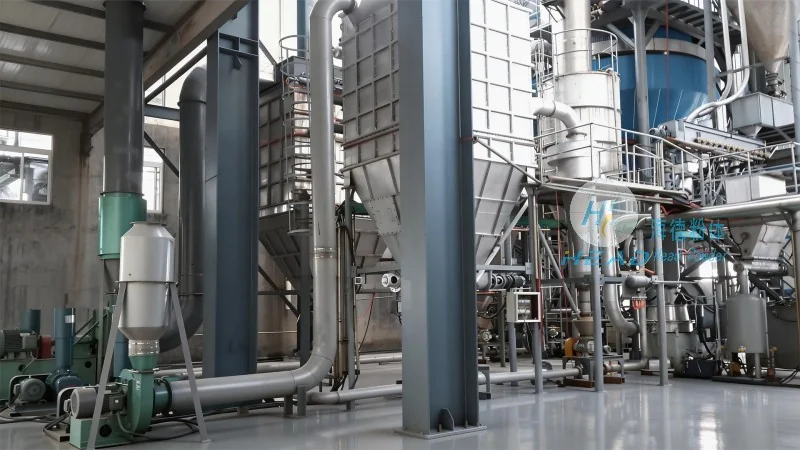
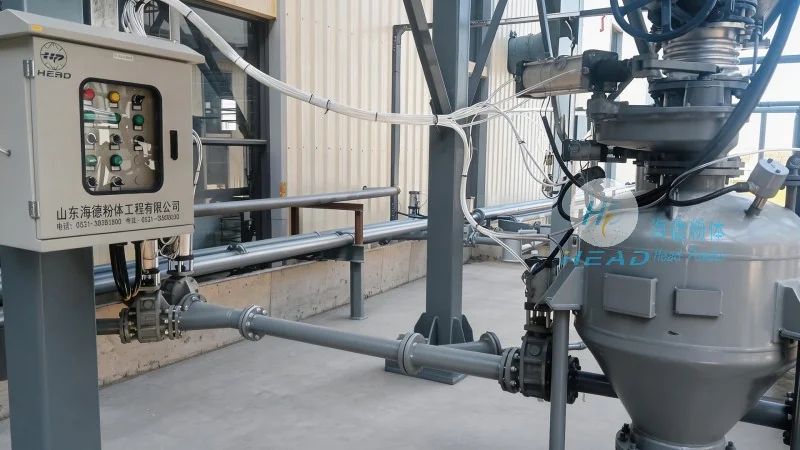
Bauxite powder pneumatic conveying lines are widely used in various industrial sectors, particularly in the aluminum industry where bauxite is the primary raw material for alumina production. In these applications, the system is used to transport bauxite from storage silos to grinding mills, where it is processed into alumina. The efficiency of the pneumatic conveying system directly impacts the overall production rate and cost of alumina, making it a critical component of the production process. Other industries that benefit from bauxite powder pneumatic conveying include chemical manufacturing, where bauxite is used as a raw material for various chemical products, and construction materials production, where bauxite is used in the manufacturing of cement or other building materials. The versatility of the system allows it to be adapted to different industrial needs, from small-scale operations to large-scale industrial plants. The integration of advanced control systems, such as PLC (Programmable Logic Controller) and SCADA (Supervisory Control and Data Acquisition), further enhances the system's performance by providing real-time monitoring and control of the conveying process, ensuring optimal operation and minimizing downtime.
Advantages and Considerations for Bauxite Powder Pneumatic Conveying Lines
Implementing bauxite powder pneumatic conveying lines offers several advantages over traditional material handling methods. The primary advantage is the ability to handle fine powders without the need for mechanical components that can cause wear and tear or material degradation. The system also provides better dust control, reducing the risk of respiratory issues for workers and minimizing environmental pollution. Additionally, pneumatic conveying systems can be designed to operate in enclosed environments, reducing the risk of dust explosions and improving workplace safety. However, there are also considerations to keep in mind when implementing such systems. The initial investment cost can be higher compared to other methods, and the system requires regular maintenance to ensure optimal performance. The choice of system type (suction or pressure) and the design of the pipeline and components are critical factors that affect the system's efficiency and longevity. Proper sizing of the pipeline, air velocity, and pressure is essential to prevent material blockages and ensure consistent flow. Furthermore, the system's compatibility with the bauxite powder's properties, such as its moisture content and particle size distribution, must be considered to avoid issues like agglomeration or clogging.