

Principle and Working Scene Characteristics of Dry Powder Pneumatic Conveying Lines
For industrial applications requiring efficient and reliable transportation of dry powders, pneumatic conveying systems offer a versatile solution. This article explores the fundamental principles behind dry powder pneumatic conveying lines and highlights key working scene characteristics that define their operational effectiveness. As a leading provider in the field, Shandong HeadPowder Engineering Co., Ltd. specializes in designing and manufacturing such systems tailored to diverse industrial needs.
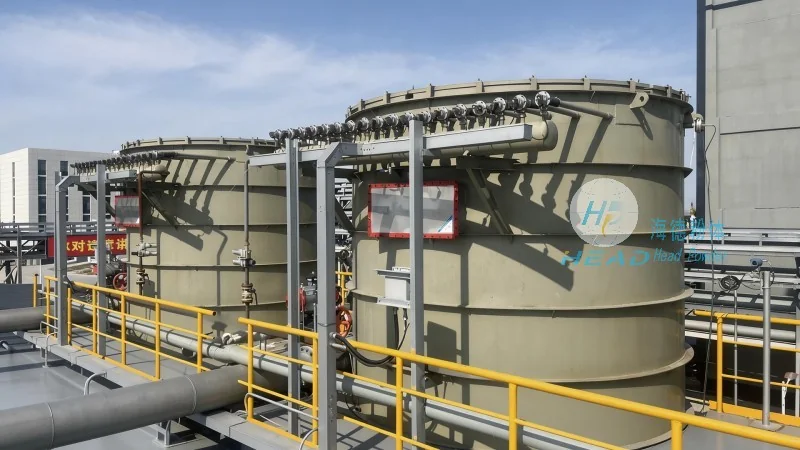
Principle of Dry Powder Pneumatic Conveying
The core principle of dry powder pneumatic conveying involves the use of compressed air or gas to transport particulate materials through a pipeline. There are primarily two types of pneumatic conveying systems: positive pressure and negative pressure (or vacuum) systems. In positive pressure systems, air is forced into the conveying line at a higher pressure than the ambient environment, propelling the powder forward. Conversely, negative pressure systems create a vacuum at the discharge end, drawing the powder into the line. The choice between these systems depends on factors such as material properties, distance, and system complexity. The efficiency of the conveying process is influenced by parameters like air velocity, particle size, and moisture content, which must be carefully optimized to prevent blockages or degradation of the material.
Working Scene Characteristics of Dry Powder Pneumatic Conveying Lines
Dry powder pneumatic conveying lines are widely utilized across various industrial sectors due to their adaptability and ability to handle a broad range of materials. Key working scene characteristics include:
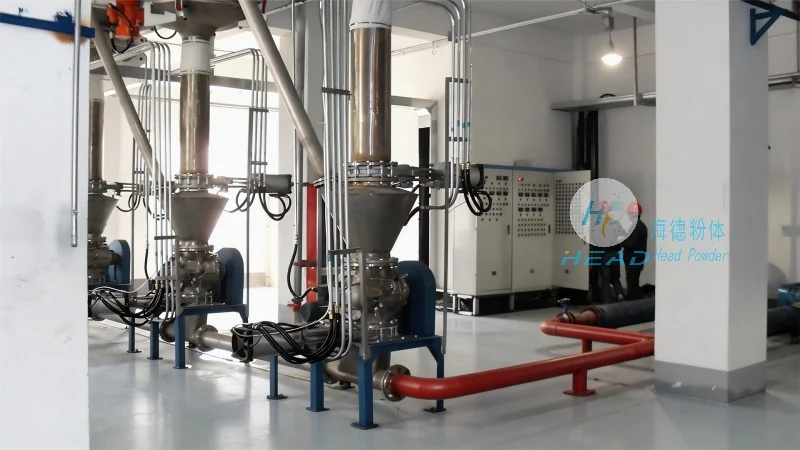
- Material Handling Flexibility: These systems can transport a wide variety of dry powders, including fine powders, granules, and bulk materials, without the need for mechanical components like belts or buckets that may cause contamination or wear.
- Process Integration: They can be seamlessly integrated into existing production lines, enabling smooth material transfer from storage silos to processing equipment, such as mixers, reactors, or packaging units. This integration enhances overall operational efficiency and reduces downtime.
- Space Efficiency: Unlike traditional bulk handling methods, pneumatic conveying lines require minimal floor space, making them ideal for facilities with limited room for large equipment or storage areas.
- Environmental Control: By enclosing the conveying process, these systems help maintain a controlled environment, preventing dust emissions and ensuring compliance with environmental regulations. This is particularly important in industries like pharmaceuticals and food processing, where product purity and safety are paramount.
- Scalability: Pneumatic conveying systems can be scaled to accommodate varying production volumes, from small-scale laboratory applications to large-scale industrial operations. This scalability allows businesses to expand their operations without significant changes to the conveying infrastructure.
Applications in Diverse Industries
Dry powder pneumatic conveying lines are employed in numerous industries, each with specific requirements that the system addresses effectively. For instance, in the chemical industry, these systems are used to transport raw materials like powders and granules to reactors, ensuring precise dosing and minimizing material loss. In the food and beverage sector, they facilitate the handling of ingredients such as flour, sugar, and spices, maintaining hygiene standards and preventing cross-contamination. The pharmaceutical industry relies on these systems for the transport of active pharmaceutical ingredients (APIs) and excipients, where strict contamination control is essential. Additionally, in the mining and mineral processing industry, pneumatic conveying lines are used to move bulk materials like ores and powders from processing plants to storage or shipping facilities.
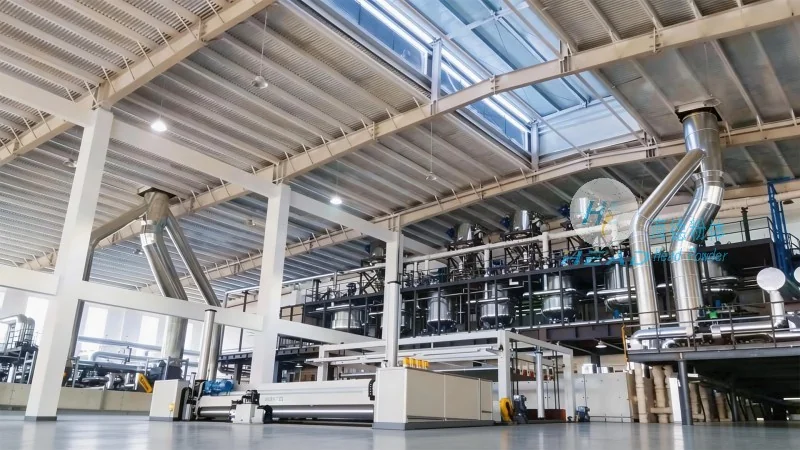
Advantages of Dry Powder Pneumatic Conveying
Compared to traditional material handling methods, dry powder pneumatic conveying lines offer several advantages that make them a preferred choice for many industries:
- Reduced Maintenance: With no moving parts in the conveying line (excluding the air compressor and control valves), the system experiences lower maintenance requirements and longer service intervals, reducing operational costs.
- Energy Efficiency: Modern pneumatic conveying systems are designed to optimize air usage, resulting in energy savings compared to other bulk handling solutions. Advanced control systems further enhance energy efficiency by adjusting air pressure and flow based on real-time demand.
- Low Material Degradation: The enclosed nature of the system minimizes exposure to external factors, such as moisture or air, which can degrade the quality of the powder. This is particularly beneficial for heat-sensitive or hygroscopic materials.
- Enhanced Safety: By containing the material within the pipeline, the system reduces the risk of dust explosions and improves workplace safety. This is a critical consideration in industries where combustible powders are handled.
- Versatility: The ability to handle different materials and adjust system parameters makes pneumatic conveying lines adaptable to changing production needs and evolving industry standards.
Conclusion
Dry powder pneumatic conveying lines represent a sophisticated and efficient solution for the transportation of dry materials in various industrial applications. The underlying principles of air-based material movement, combined with the working scene characteristics that enhance operational flexibility and safety, make these systems indispensable in modern manufacturing processes. As a company committed to innovation and quality, Shandong HeadPowder Engineering Co., Ltd. continues to develop advanced pneumatic conveying solutions that meet the evolving demands of industries worldwide, ensuring reliable and efficient material handling for its clients.