

Principle and Application Scenarios of Light Weight Aggregate Powder Pneumatic Conveying Systems
Light weight aggregate powder pneumatic conveying systems represent a sophisticated technology designed to transport fine powders, particularly those derived from light weight aggregates, through a pressurized or vacuum environment. These systems are integral to modern material handling processes, offering efficient and reliable solutions for industries that rely on the movement of lightweight, particulate materials. The core principle behind such systems involves the use of air or gas as the conveying medium, which propels the powder particles through a network of pipes and ducts. This method eliminates the need for mechanical components like belts or buckets, reducing maintenance and operational costs while enhancing safety in handling potentially dusty or hazardous powders.
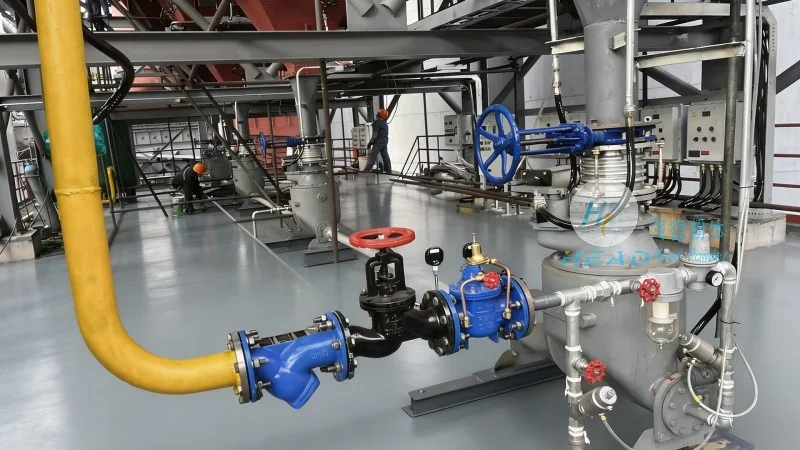
How Pneumatic Conveying Works for Light Weight Aggregates
The operation of a light weight aggregate powder pneumatic conveying system typically involves several key components and processes. At its foundation is the material source, where the light weight aggregate powder is stored and prepared for transport. From there, the powder is introduced into a conveying line, often via a hopper or feeder, which controls the flow rate to ensure consistent performance. The conveying medium—air or gas—is then pressurized or drawn into a vacuum, depending on the system design. In pressure systems, a positive pressure is applied to the material source, pushing the powder through the pipeline. Conversely, vacuum systems create a negative pressure that pulls the powder from the source into the line. The choice between pressure and vacuum depends on factors such as the distance to be covered, the material characteristics, and the desired flow rate. The system may also incorporate features like cyclones or filters to separate the powder from the air, ensuring that the material is delivered to the destination without loss or contamination. This integrated approach ensures that the light weight aggregate powder is transported efficiently while maintaining the integrity of the material and minimizing environmental impact.
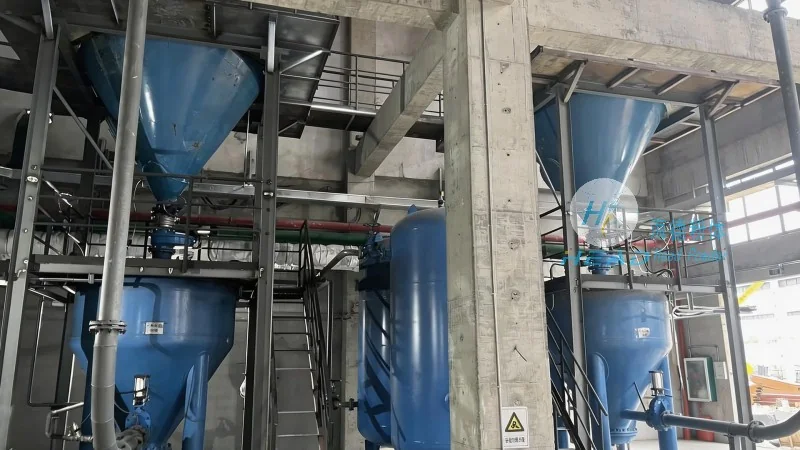
Key Features and Advantages of Light Weight Aggregate Powder Pneumatic Conveying
Light weight aggregate powder pneumatic conveying systems offer several distinct advantages that make them ideal for specific industrial applications. One of the primary benefits is their ability to handle fine, dusty powders without the need for additional equipment like conveyor belts or buckets. This reduces the risk of material degradation or contamination, which is critical for light weight aggregates used in construction and building materials. Additionally, these systems are highly flexible, allowing for changes in the conveying route or flow rate without extensive modifications to the infrastructure. The absence of moving parts also minimizes maintenance requirements, leading to lower operational costs and increased system reliability. Furthermore, pneumatic conveying systems are more energy-efficient compared to traditional mechanical methods, as they use air as the primary power source rather than motor-driven components. This efficiency translates into reduced energy consumption and lower utility costs for the end-user. Another significant advantage is the ability to transport materials over long distances with minimal loss, making them suitable for large-scale operations where material movement is a key challenge. The systems also contribute to improved workplace safety by eliminating the need for manual handling of powders, reducing the risk of dust exposure and related health hazards.
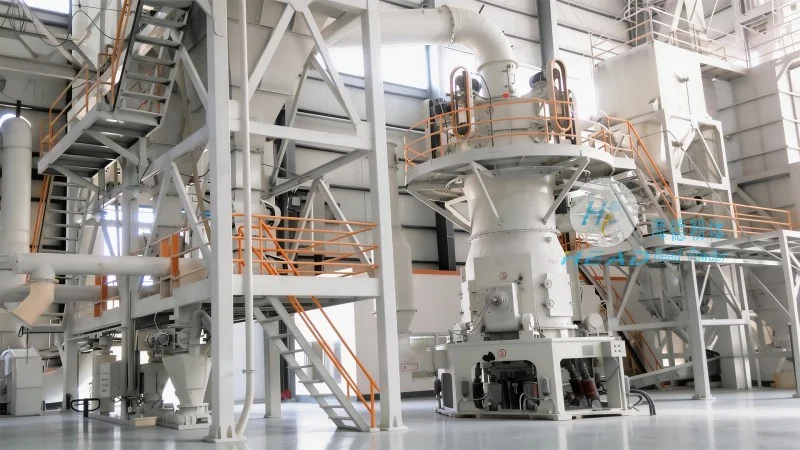
Application Scenarios in the Construction and Building Materials Industry
The application scenarios for light weight aggregate powder pneumatic conveying systems are diverse and primarily centered around the construction and building materials sector. These systems are widely used in the production of lightweight concrete, where light weight aggregates are a key component. The ability to efficiently transport these aggregates from storage to mixing plants is crucial for maintaining production efficiency and quality control. In addition, the systems are employed in the manufacturing of insulation materials, such as expanded polystyrene or vermiculite, where the fine powder form of the light weight aggregate is essential for achieving the desired insulation properties. The systems also play a role in the production of decorative building materials, such as lightweight plaster or stucco, where consistent powder handling is necessary to ensure uniform product quality. Furthermore, these systems are utilized in recycling operations, where light weight aggregates are recovered and reused, requiring reliable transport methods to integrate the material back into the production cycle. Each of these scenarios highlights the importance of pneumatic conveying systems in optimizing material flow and enhancing overall operational performance within the construction and building materials industry.
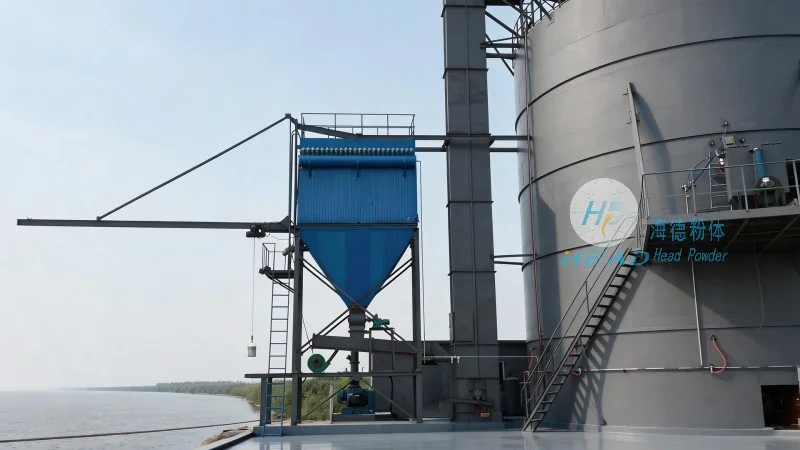
Operational Considerations and Best Practices
When implementing a light weight aggregate powder pneumatic conveying system, several operational considerations and best practices should be observed to ensure optimal performance and longevity. First, the selection of the appropriate conveying system type—pressure or vacuum—depends on the specific requirements of the application, including the distance to be covered, the material's density and flow characteristics, and the desired flow rate. Proper sizing of the conveying line and air compressor is critical to avoid pressure drops or inefficiencies that could lead to material blockages or reduced throughput. Regular maintenance of the system components, such as filters, cyclones, and air compressors, is essential to prevent dust accumulation and ensure consistent air quality. Additionally, monitoring the system's performance parameters, including pressure, flow rate, and material delivery, helps in identifying potential issues early and taking corrective actions. The use of appropriate materials for the conveying line, such as stainless steel or corrosion-resistant alloys, is important to prevent material degradation or contamination, especially when handling light weight aggregates that may be sensitive to environmental factors. Finally, training operators on the proper use and maintenance of the system is crucial for maximizing efficiency and minimizing downtime. By adhering to these best practices, users can ensure that their light weight aggregate powder pneumatic conveying systems operate at peak performance, delivering reliable and efficient material transport for their specific needs.