

Principles and Working Scene Characteristics of Alkali Material Pneumatic Conveying
Alkali material, such as caustic soda, is widely utilized in various industrial processes. Pneumatic conveying represents an efficient method for transporting these materials, offering advantages like reduced labor costs, enhanced safety, and improved process control. This article delves into the principles behind pneumatic conveying systems and highlights the key characteristics of different working scenes where these systems are applied.
Principles of Pneumatic Conveying for Alkali Materials
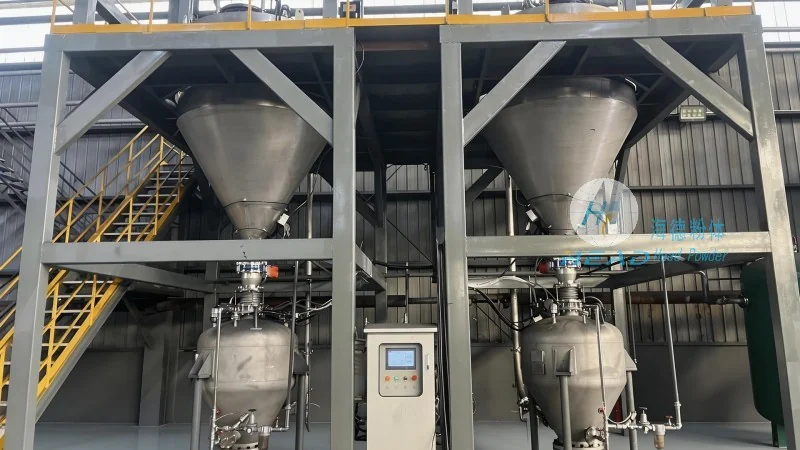
The fundamental principle of pneumatic conveying involves using air or gas to transport solid materials through a pipeline. In the context of caustic soda, the system typically comprises a hopper, a feeder, a conveyor line, and a receiver. The material is fed into the system, and a controlled amount of air is introduced to create a flow that moves the material along the pipeline. Two primary types of pneumatic conveying exist: dilute phase and dense phase. Dilute phase systems employ higher air velocities to transport material in a dispersed state, while dense phase systems utilize lower velocities to move material in a slurry-like state. The latter is often preferred for handling caustic soda due to its corrosive nature and the need to minimize material degradation.
Working Scene Characteristics of Pneumatic Conveying Systems
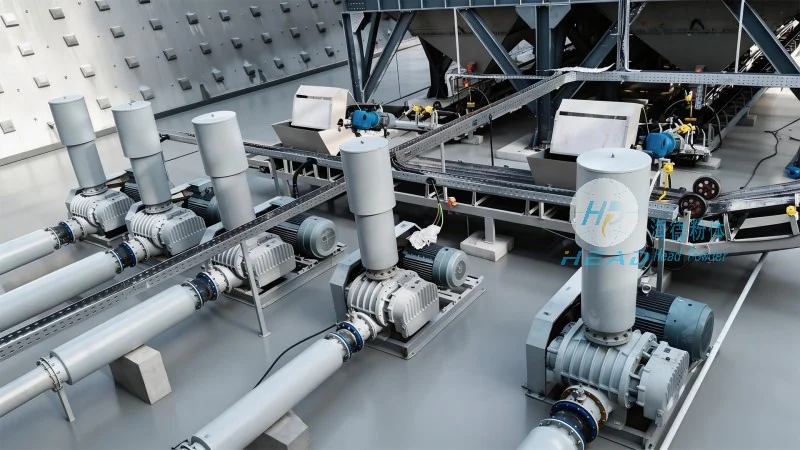
The application of pneumatic conveying systems for alkali materials varies based on the specific working scene. In industrial plants, these systems are commonly employed in scenarios where material needs to be transferred between different processing units, such as from storage silos to reaction vessels or from production lines to packaging areas. The characteristics of these working scenes include:
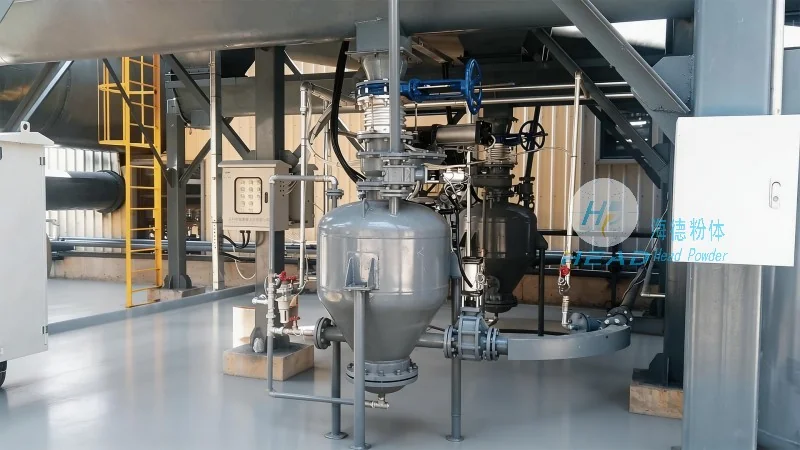
- High material flow rates, often required for continuous production processes.
- Need for precise control over material quantity and flow rate to maintain consistent process conditions.
- Environmental considerations, as caustic soda is a hazardous material, and the system must be designed to prevent leaks and ensure worker safety.
- Space constraints in industrial facilities, where the conveyor line may need to navigate around existing equipment and structures.
Key Features and Advantages in Different Working Scenarios
When implementing pneumatic conveying systems for alkali materials, several key features and advantages are observed across various working scenes. These include: