

Principles and Application Scenarios of Pneumatic Conveying for Chromium Oxide Materials
Chromium oxide, a critical material in numerous industrial processes, often requires efficient and safe material handling solutions. Pneumatic conveying technology stands out as a highly effective method for transporting chromium oxide, offering advantages such as dust-free operation, low maintenance, and the ability to handle fine powders. This article explores the fundamental principles of pneumatic conveying for chromium oxide materials and examines the key application scenarios where this technology excels.
Understanding Pneumatic Conveying Principles
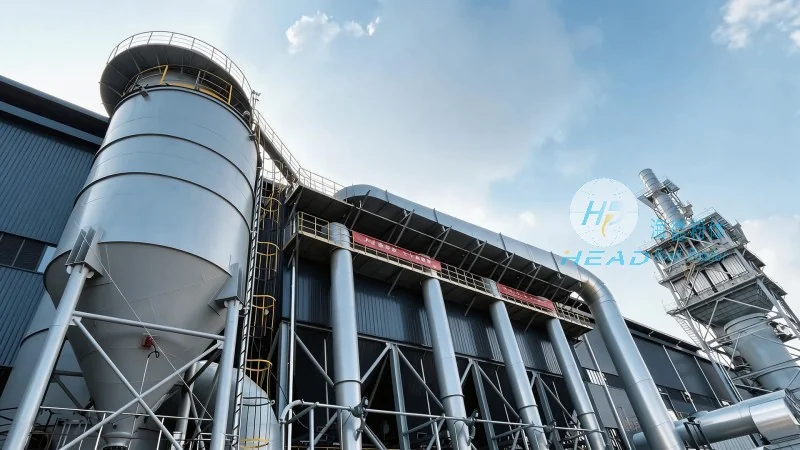
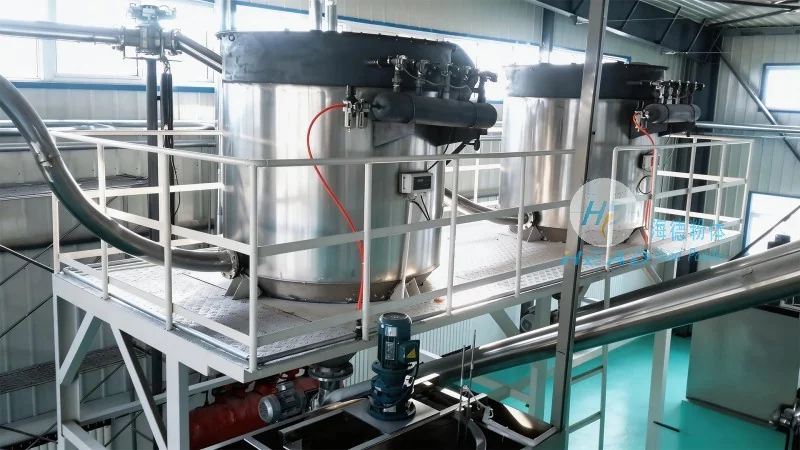
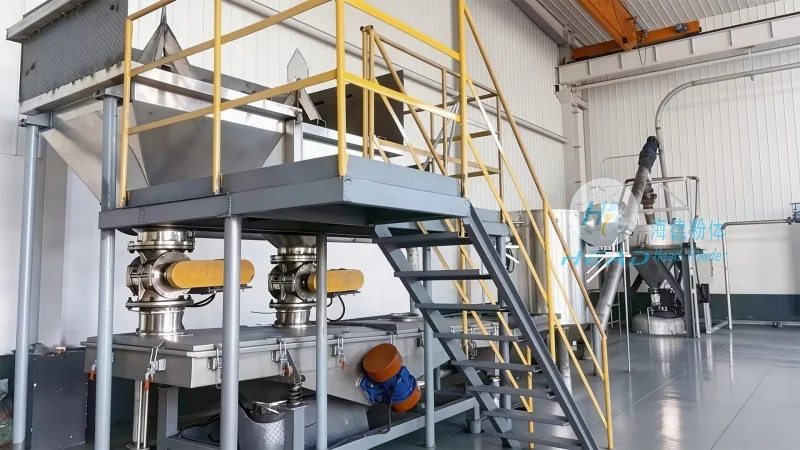
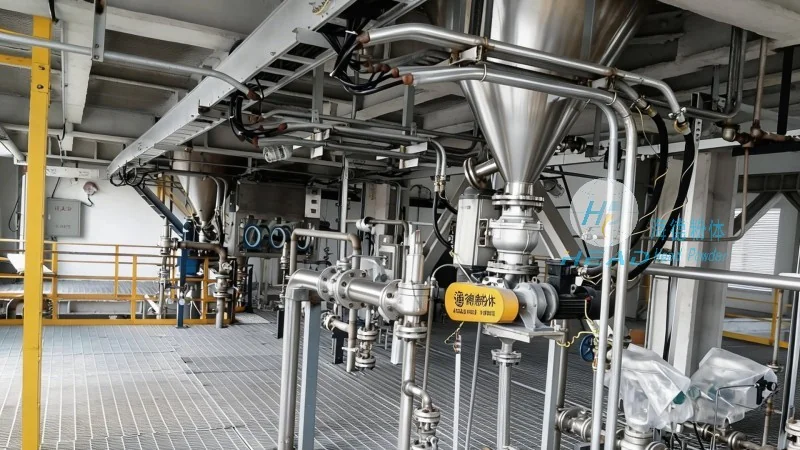
Pneumatic conveying involves transporting bulk materials through a pipeline using air or gas as the conveying medium. The process is typically categorized into two main types: suction (or vacuum) conveying and pressure conveying. Suction conveying utilizes a vacuum to draw material from a source into a conveying line, while pressure conveying employs compressed air to push material through the pipeline. For chromium oxide, which is often a fine powder with potential health hazards if not handled properly, suction conveying is frequently preferred due to its ability to create a closed system that minimizes dust exposure. The system generally consists of a hopper, a rotary valve, a conveying line, a filter, and a dust collector. The hopper holds the chromium oxide, and the rotary valve controls the flow of material into the conveying line. The vacuum created by the fan draws the material through the line, and the filter captures any fine particles, ensuring a clean and safe operation.
Key Characteristics of Chromium Oxide for Conveying
Chromium oxide, especially in its fine powder form, presents unique challenges for material handling. Its high density and potential for static electricity can impact the efficiency of pneumatic conveying systems. However, with proper design and equipment selection, these challenges can be effectively managed. For example, anti-static additives or grounding mechanisms can be integrated into the material handling process to prevent static buildup. The particle size distribution of chromium oxide is also critical; finer particles require higher air velocities to maintain flow, while larger particles may need higher air pressure or different conveying line diameters. The chemical stability of chromium oxide under varying air pressures and temperatures is another factor to consider, as it must remain intact during the conveying process without degradation or agglomeration.
Application Scenarios in Industrial Settings
The versatility of pneumatic conveying makes it suitable for a wide range of industrial applications involving chromium oxide. In the chemical industry, chromium oxide is used as a pigment and catalyst, and pneumatic conveying is employed to transport it between production units, storage silos, and processing equipment. This ensures a continuous and controlled flow of material, reducing downtime and improving production efficiency. In the metallurgical sector, chromium oxide is used in the production of stainless steel and other alloys, where it serves as an additive. Pneumatic conveying systems are integrated into the production line to transport the oxide from raw material storage to the melting furnaces, maintaining a consistent supply of material for the manufacturing process. Additionally, in the aerospace and automotive industries, chromium oxide is used in coating applications, and pneumatic conveying facilitates the precise delivery of the material to spray booths or coating lines, ensuring uniform application and high-quality finishes.
Advantages of Pneumatic Conveying for Chromium Oxide
Compared to traditional methods like bucket elevators or belt conveyors, pneumatic conveying offers several advantages for handling chromium oxide. One of the most significant benefits is the ability to operate in a closed system, which enhances safety by preventing dust emissions and minimizing exposure to the material for operators. This is particularly important for chromium oxide, as inhalation of fine particles can pose health risks. Another advantage is the flexibility of the system, which can be easily adjusted to handle varying material flow rates and particle sizes. The low maintenance requirements of pneumatic conveying systems also contribute to cost savings, as there are fewer moving parts and less wear and tear compared to mechanical conveyors. Furthermore, the ability to convey materials over long distances without the need for multiple transfer points simplifies the overall material handling process and reduces the risk of material loss or contamination.