

Principle and Working Scene Characteristics of Hydrogen Sulfide Material Pneumatic Conveying
Hydrogen sulfide (H₂S) is a toxic and corrosive gas commonly encountered in industrial processes, particularly in oil and gas extraction, petrochemical manufacturing, and waste treatment facilities. The safe and efficient handling of H₂S-containing materials is critical for operational safety and environmental compliance. Pneumatic conveying technology offers a reliable solution for transporting H₂S-laden powders or slurries, leveraging the principles of fluidization and gas-solid flow to move materials through pipelines without mechanical contact. This method not only minimizes equipment wear and maintenance but also reduces the risk of contamination and exposure to hazardous gases.
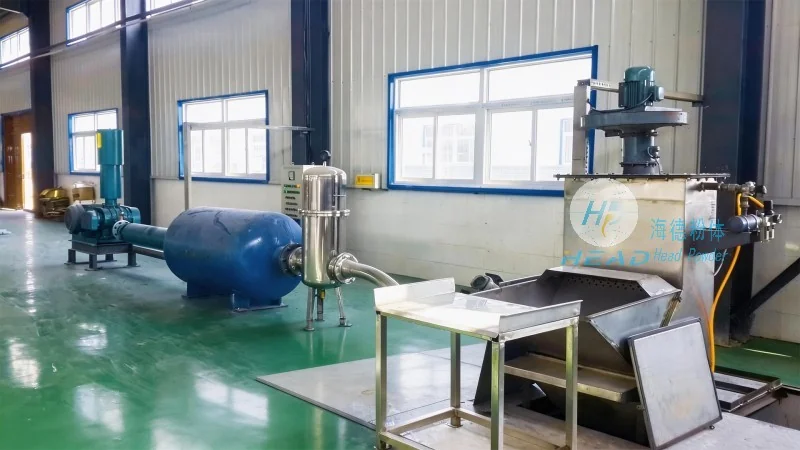
Principle of Pneumatic Conveying for H₂S Materials
The core principle of pneumatic conveying for hydrogen sulfide materials involves the use of compressed air or other gas to create a flow that entrains and transports the material particles. In a typical system, the H₂S-containing material is fed into a hopper or feeder, where it is introduced into a pipeline. The gas, often filtered and dried to prevent moisture-related corrosion, is then introduced at a controlled pressure and velocity. The gas flow generates a drag force on the particles, lifting them into the air stream and moving them through the pipeline to the discharge point. The design of the conveying system, including the type of gas (e.g., air, nitrogen, or inert gas), the pressure levels, and the pipeline configuration, is critical to ensure efficient transport while maintaining material integrity and preventing clogging or blockages.
Key Working Scene Characteristics
Several key characteristics define the working scenes where pneumatic conveying is applied for H₂S materials. First, the hazardous nature of H₂S necessitates specialized equipment and safety measures. Pneumatic systems are preferred over mechanical conveyors because they eliminate the need for moving parts in the material path, reducing the risk of leaks and exposure. Second, the corrosive properties of H₂S require materials of construction that can withstand chemical attack, such as stainless steel, special alloys, or corrosion-resistant coatings. The system design must also include effective gas filtration and moisture control to prevent corrosion of internal components. Third, the variable particle size and flow characteristics of H₂S materials demand flexible conveying solutions. Different materials may have varying densities, moisture content, and agglomeration tendencies, which affect the required air velocity and pressure. For example, fine powders may require higher air velocities to prevent settling, while larger particles may need higher pressure to maintain flow. Fourth, the environmental and safety regulations surrounding H₂S handling are stringent. Pneumatic conveying systems must be equipped with gas detection, ventilation, and emergency shutdown features to comply with local and international standards. This includes monitoring for H₂S concentrations in the air and ensuring proper ventilation to maintain safe working conditions.
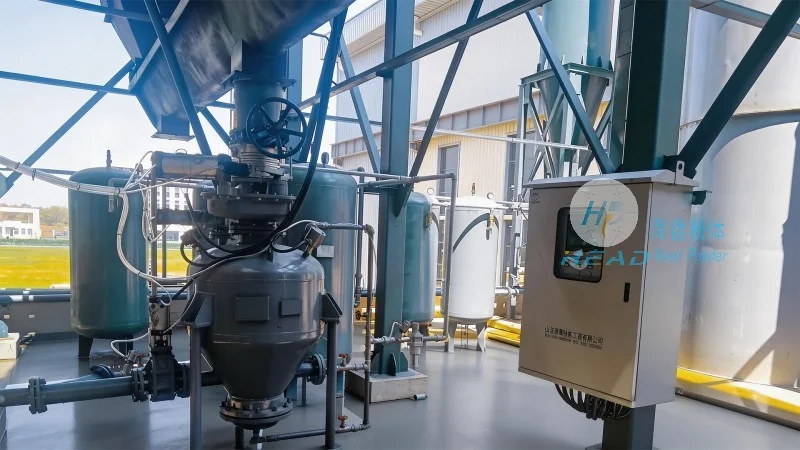
Applications and Industry Use Cases
Pneumatic conveying for H₂S materials is widely used in various industrial applications. In oil and gas operations, H₂S is often present in natural gas and crude oil streams. Pneumatic systems are used to transport H₂S-containing powders, such as sulfur or sulfide compounds, from processing units to storage or disposal facilities. In petrochemical plants, H₂S is generated during the refining of hydrocarbons and must be removed or processed. Pneumatic conveying is used to transport these materials to sulfur recovery units or waste treatment plants. Additionally, in waste management facilities, H₂S is found in sewage sludge and industrial waste. Pneumatic systems are employed to transport these materials to treatment or disposal sites, ensuring safe and efficient handling. The versatility of pneumatic conveying makes it suitable for a range of H₂S material applications, from small-scale laboratory processes to large-scale industrial operations.
Advantages of Pneumatic Conveying Systems
Compared to traditional mechanical conveyors, pneumatic conveying systems offer several advantages for handling H₂S materials. First, hygienic and contamination-free transport is achieved as the material is never in direct contact with the conveying equipment. This is particularly important for H₂S materials, which may be contaminated with other substances or require strict cleanliness standards. Second, flexibility in system design allows for custom configurations to suit specific material and operational requirements. The system can be adjusted to handle varying particle sizes, flow rates, and distances, making it adaptable to different industrial settings. Third, energy efficiency is a key benefit, as pneumatic systems can operate with lower energy consumption compared to mechanical systems, especially for long-distance or high-volume transport. Fourth, space-saving and compact design is another advantage, as pneumatic systems require less floor space and can be installed in confined areas. This is beneficial for facilities with limited space or where space optimization is critical. Finally, reduced maintenance and downtime is achieved due to the absence of moving parts in the material path, minimizing the risk of mechanical failure and extending the system's operational life.
Challenges and Mitigation Strategies
While pneumatic conveying offers significant benefits for H₂S material handling, several challenges must be addressed to ensure reliable operation. One of the primary challenges is clogging and blockages in the pipeline, which can occur due to the agglomeration of fine particles or the presence of moisture. To mitigate this, systems are equipped with inline mixers, vibration devices, or air knives to break up clumps and maintain flow. Another challenge is corrosion caused by H₂S and moisture, which can degrade system components over time. Mitigation strategies include using corrosion-resistant materials, such as stainless steel or special alloys, and implementing effective gas filtration and drying systems. Additionally, gas leakage and exposure risks must be managed through proper sealing of components and the use of gas detection systems. Regular maintenance and inspections are essential to identify and address any potential leaks or issues before they become safety hazards. Finally, energy consumption can be a concern, especially for long-distance or high-volume transport. To reduce energy use, systems can be optimized for air velocity and pressure, and energy-efficient compressors can be employed.
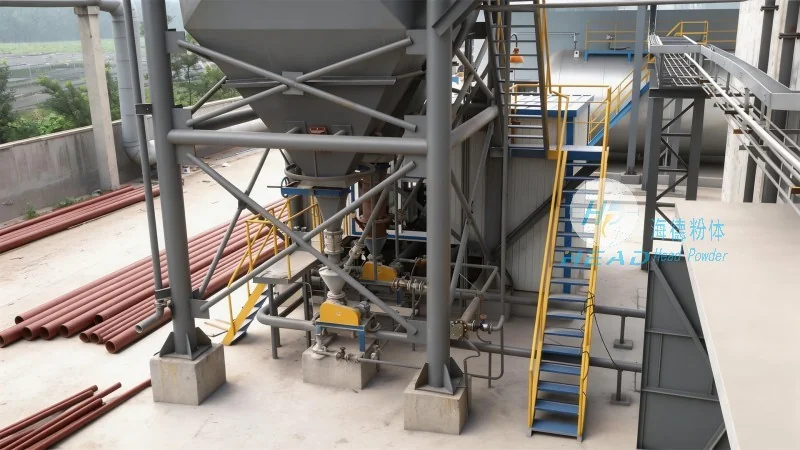
Conclusion and Company Overview
Hydrogen sulfide material pneumatic conveying is a critical technology for safely and efficiently handling hazardous materials in industrial settings. The principles of fluidization and gas-solid flow enable the transport of H₂S-laden powders or slurries through pipelines, minimizing equipment wear and exposure risks. Key working scene characteristics, such as the hazardous nature of H₂S, corrosion resistance requirements, and stringent safety regulations, must be considered when designing and implementing pneumatic systems. The advantages of pneumatic conveying, including hygienic transport, flexibility, and energy efficiency, make it a preferred solution for many applications. However, challenges like clogging, corrosion, and energy consumption must be addressed through proper system design and maintenance.
Shandong HeadPowder Engineering Co., Ltd. specializes in providing advanced pneumatic conveying solutions for H₂S materials. With a focus on safety, efficiency, and compliance, the company designs and manufactures customized systems tailored to the specific needs of industrial clients. HeadPowder's expertise in material handling and industrial engineering ensures that their systems meet the highest standards for performance and reliability. Based in Shandong, China, HeadPowder serves clients worldwide, delivering solutions that enhance operational safety and productivity in the handling of hazardous materials. The company's commitment to innovation and customer satisfaction has established it as a leading provider of pneumatic conveying technology for H₂S applications.