

Principle and Working Scene Characteristics of Paddy Husk Material Pneumatic Conveying System
Shandong HeadPowder Engineering Co., Ltd., a leading enterprise based in Shandong, China, specializes in the design, manufacturing, and installation of advanced pneumatic conveying systems tailored for various industrial applications. The company's expertise lies in optimizing material handling processes, particularly for paddy husk—a byproduct of rice processing with significant potential in biomass energy, animal feed, and environmental applications. This article explores the fundamental principles of paddy husk material pneumatic conveying systems and highlights the key working scene characteristics that define their effectiveness in real-world industrial settings.
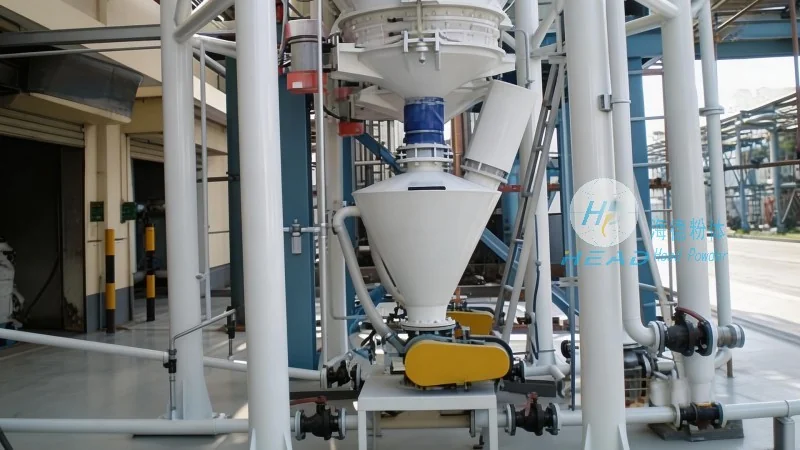
Overview of Paddy Husk Material Pneumatic Conveying System
Paddy husk, also known as rice husk, is a fibrous residue generated during the milling of rice grains. It is characterized by its lightweight, porous structure and high ash content, making it an ideal feedstock for biomass power generation and other value-added products. Traditional handling methods for paddy husk, such as manual or mechanical conveying, often suffer from inefficiencies, dust generation, and material loss. Pneumatic conveying systems offer a solution by utilizing air to transport paddy husk through a network of pipes, eliminating the need for mechanical components like belts or buckets. HeadPowder's systems are engineered to handle the unique physical properties of paddy husk, ensuring reliable and efficient material transport from source to destination.
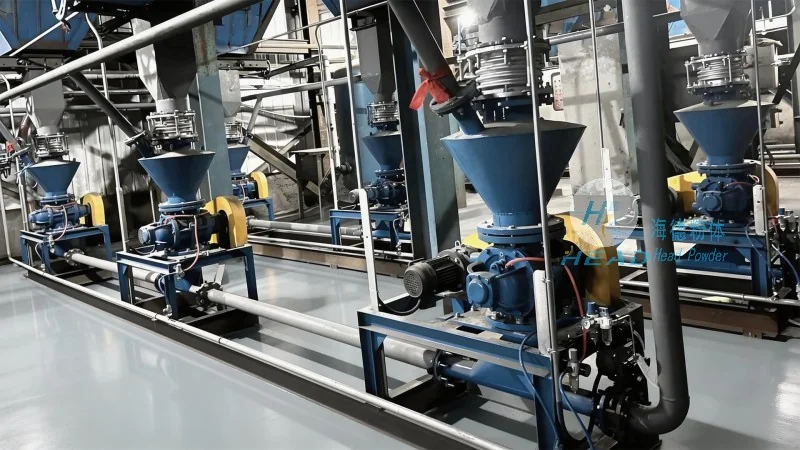
Principle of Pneumatic Conveying System for Paddy Husk
The core principle of a pneumatic conveying system involves the movement of solid particles (paddy husk) suspended in a stream of air. There are two primary types of pneumatic conveying: positive pressure and negative pressure systems. Positive pressure systems generate air flow by blowing air into the conveying line, while negative pressure systems create suction by drawing air out of the line. For paddy husk, positive pressure systems are commonly preferred due to their ability to handle larger particle sizes and prevent material degradation. The system typically consists of a blower, a hopper for material storage, a conveying line, and a discharge point. As paddy husk is fed into the hopper, the blower creates a high-velocity air stream that lifts and transports the particles through the pipeline. The design of the hopper and air inlet is critical to prevent blockages and ensure consistent material flow. The conveying line is often equipped with bends, valves, and filters to maintain system efficiency and prevent dust accumulation. The discharge point is engineered to handle the material without causing spillage or clogging, ensuring a smooth end-of-line operation.
Working Scene Characteristics and Application Scenarios
Paddy husk material pneumatic conveying systems are deployed in diverse industrial environments, each with specific requirements that influence system design and performance. In rice processing facilities, these systems are used to transport paddy husk from the milling section to storage silos or biomass boilers. The key working scene characteristics in this context include high material throughput, consistent particle size distribution, and the need for dust control to comply with environmental regulations. In biomass energy plants, the system must handle large volumes of paddy husk and integrate seamlessly with combustion systems, requiring robust construction and reliable operation under continuous load. Environmental treatment facilities may use pneumatic conveying to transport paddy husk to biofuel production units or composting sites, where the system's ability to minimize material loss and reduce handling time is crucial. Additionally, in animal feed processing, the system can be adapted to transport paddy husk for further processing into feed pellets, emphasizing the importance of maintaining material integrity and preventing contamination.
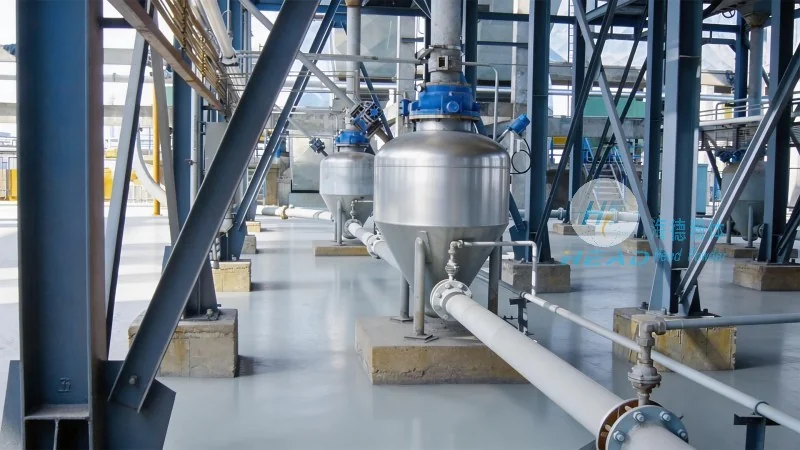
Key Features and Technical Advantages
HeadPowder's paddy husk pneumatic conveying systems are distinguished by several key features that enhance their performance and reliability. One of the primary advantages is the high efficiency of material transport, with minimal energy consumption compared to traditional mechanical systems. The systems are designed to handle the lightweight and porous nature of paddy husk, ensuring that particles remain suspended in the air stream without settling prematurely. This reduces the risk of blockages and extends the lifespan of the conveying line. Another critical feature is the integration of dust control mechanisms, such as cyclone separators and filtration systems, which capture fine particles and prevent air pollution. The systems are also equipped with automated controls that monitor pressure, flow rate, and material level, allowing for real-time adjustments to optimize performance. HeadPowder's engineering team tailors each system to the specific characteristics of the paddy husk, including moisture content, particle size, and bulk density, ensuring that the system operates at peak efficiency. The company's commitment to quality and innovation has made its pneumatic conveying solutions a preferred choice for industries seeking reliable and sustainable material handling solutions.